Category: Car News

  • Mahindra Vision S 2026: Mini Scorpio Compact SUV Launch, Features, Design and Specs

    Mahindra Vision S 2026: Mini Scorpio Compact SUV Launch, Features, Design and Specs

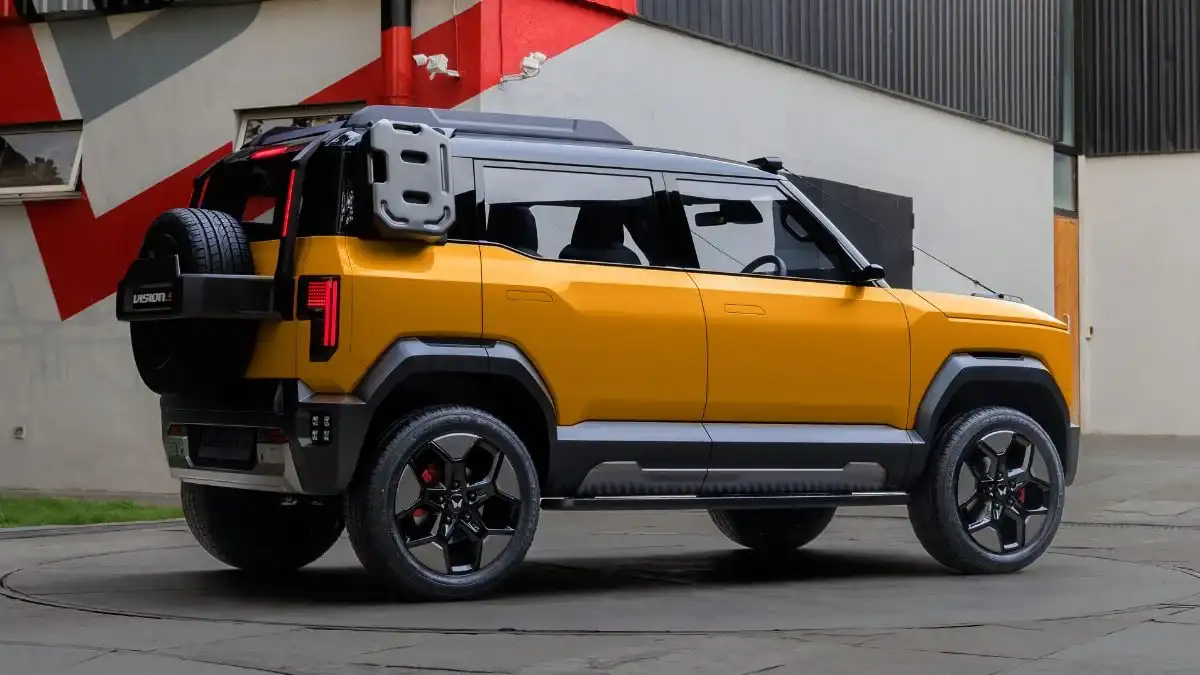
    Mahindra is preparing to make a bold entry into the compact SUV segment with its upcoming Mahindra Vision S, also dubbed the “Mini Scorpio.” This SUV aims to bring the rugged styling and road presence of the Scorpio-N to a smaller, urban-friendly package. With increasing demand for compact SUVs that combine style, performance, and efficiency, the Vision S is designed to appeal to both city drivers and adventure enthusiasts looking for a practical yet bold SUV.

    Launch Timeline and Market Positioning

    The production-ready Mahindra Vision S is expected to be revealed globally in 2026, with the India launch likely by early 2027.

    Positioned between Mahindra’s XUV3OO and the larger Scorpio-N, the Vision S will target buyers seeking a premium compact SUV with the iconic Mahindra rugged look but smaller dimensions for urban driving. It is expected to compete with rivals in the sub‑4-meter SUV segment, offering a strong alternative for families and young professionals.

    Bold and Rugged Exterior Design

    One of the key highlights of the Vision S is its aggressive exterior styling that gives it a strong road presence. The design takes inspiration from the Scorpio-N but adapts it for a compact format.

    Expected design elements include:

    • Boxy and upright silhouette
    • Vertical-slat front grille
    • LED daytime running lights in inverted L-shape
    • Chunky wheel arches and high ground clearance
    • Tailgate-mounted spare wheel
    • 18-inch alloy wheels and flush-fitting door handles

    These features ensure that even as a smaller SUV, the Vision S retains the muscular and adventurous character that Mahindra SUVs are known for.

    Platform and Architecture

    The Mahindra Vision S will be built on the company’s new NU_IQ modular platform. This versatile platform supports internal combustion, hybrid, and electric powertrains.

    Key benefits of this platform include:

    • Future-proof architecture for multiple powertrain options
    • Enhanced structural rigidity
    • Improved safety and handling characteristics

    The monocoque-based architecture allows Mahindra to offer a compact SUV that is light, efficient, and technologically advanced while maintaining off-road capability.

    Interior Features and Technology

    Inside, the Vision S is expected to offer a modern and premium cabin with a tech-focused layout. Mahindra aims to make the compact SUV competitive with contemporary urban SUVs in terms of comfort and features.

    Potential interior highlights:

    • Dual digital displays (instrument cluster + infotainment)
    • Level 2 ADAS features, including adaptive cruise control and lane-keeping assist
    • 360-degree camera system
    • Ventilated front seats
    • Connected car technology for smart features
    • Panoramic sunroof and premium upholstery options

    These upgrades will make the Vision S appealing to tech-savvy buyers who want a compact SUV without compromising on modern conveniences.

    Engine Options and Powertrain

    While Mahindra has not officially confirmed engines, reports suggest the Vision S could feature:

    • 1.2-litre TGDi petrol engine producing around 130hp
    • 1.5-litre diesel engine producing approximately 117hp

    Given the modular platform, hybrid or fully electric variants may be offered in the future, catering to growing demand for eco-friendly vehicles in India.

    Driving Dynamics and Versatility

    The Vision S is designed to offer a balance between urban comfort and rugged capability. Despite its compact size, the SUV is expected to retain some off-road traits typical of Mahindra SUVs, such as high ground clearance and strong suspension tuning.

    With modern suspension and lightweight architecture, the Vision S aims to provide smooth city driving while remaining capable for weekend adventures or mild off-road use.

    Competition and Market Impact

    The Mahindra Vision S will compete with sub‑4-meter compact SUVs like the Tata Punch, Hyundai Venue, Kia Sonet, and Maruti Brezza. However, its rugged styling and Scorpio-inspired design could help it stand out in the crowded segment.

    Mahindra aims to leverage the brand’s SUV legacy while offering advanced technology, safety features, and a bold design to attract buyers looking for something different from conventional compact SUVs.

    Conclusion

    The Mahindra Vision S, also known as the Mini Scorpio, is poised to disrupt the compact SUV market with its combination of rugged design, modern tech, and efficient urban performance. With a launch expected in early 2027, this SUV could redefine expectations for compact SUVs in India, offering buyers a practical yet adventurous alternative in the rapidly growing segment.

    By blending iconic Mahindra styling with futuristic technology and versatile powertrain options, the Vision S represents a significant step forward for Mahindra’s SUV lineup.
  • Toyota Hyryder 7-Seater 2026: Launch Timeline, Features, Mileage and Expected Price in India

    Toyota Hyryder 7-Seater 2026: Launch Timeline, Features, Mileage and Expected Price in India

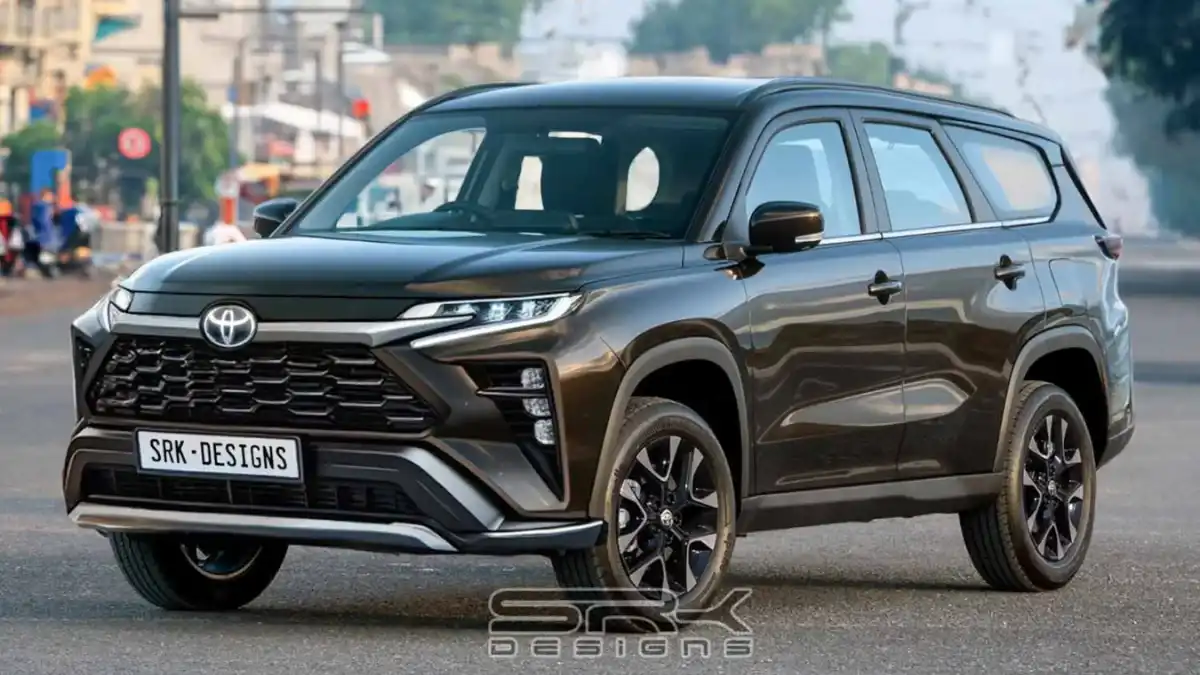
    The Indian SUV segment is witnessing rapid growth, with families increasingly seeking 7-seater options. Addressing this demand, Toyota is preparing to launch a 7-seater version of its popular Toyota Urban Cruiser Hyryder.

    According to industry reports, this new SUV is aimed at customers who want more space, better fuel efficiency, and modern technology in a reliable family SUV.

    Launch Timeline and Positioning

    The Toyota Hyryder 7-seater is expected to launch in India by late 2026, possibly around the festive season.

    It will sit below the Toyota Fortuner in Toyota’s lineup and target buyers looking for an affordable, practical, and premium-feel three-row SUV.

    Design and Size Updates

    To accommodate a third row of seats, the Hyryder will have a longer wheelbase and slightly revised dimensions compared to the 5-seater version.

    Expected design changes include:

    • Extended wheelbase for more cabin space
    • Flatter roofline for improved headroom
    • Upright rear design for better boot capacity
    • Updated front fascia and grille
    • Improved road presence

    These updates will make the SUV more practical and family-friendly while retaining a modern SUV appeal.

    Cabin Space and Seating Layout

    The 7-seater Hyryder will offer a three-row seating layout, accommodating six to seven passengers comfortably.

    Key cabin features may include:

    • Improved legroom for the third row
    • Sliding second-row seats for easier access
    • Enhanced headroom and boot space
    • Comfortable and family-oriented interior design

    This makes the SUV particularly suitable for larger families and long journeys.

    Engine and Hybrid Technology

    The Hyryder 7-seater is expected to continue with the same engines as the current model.

    Expected powertrain options:

    • 1.5-litre petrol engine with mild-hybrid technology
    • 1.5-litre strong hybrid engine

    The strong hybrid variant is likely to deliver fuel efficiency of around 25–26 kmpl, making it one of the most efficient three-row SUVs in its segment.

    Features and Technology

    The new Hyryder 7-seater is expected to be packed with modern and premium features, making it highly competitive.

    Potential highlights include:

    • 10-inch touchscreen infotainment system
    • Wireless Android Auto and Apple CarPlay
    • 360-degree camera
    • Connected car technology
    • Digital instrument cluster
    • Panoramic sunroof (optional)

    These features will enhance convenience, comfort, and the overall driving experience.

    Safety and ADAS Features

    Safety is expected to be a key focus in the 7-seater Hyryder.

    Likely safety features include:

    • Six airbags
    • ABS with EBD
    • Electronic Stability Control
    • 360-degree camera
    • Level 2 ADAS (possible in higher trims)

    The inclusion of ADAS would further strengthen its appeal among safety-conscious buyers.

    Driving Experience and Performance

    The Hyryder 7-seater focuses on comfort and efficiency rather than outright power.

    With hybrid technology:

    • Driving will be smooth and refined
    • City fuel efficiency will improve
    • Lower fuel consumption makes it practical for daily use

    This balance makes it suitable for both urban commutes and long-distance family trips.

    Expected Price and Competition

    The Toyota Hyryder 7-seater is expected to be priced in India between ₹15 lakh and ₹25 lakh (approximate).

    Potential competitors include:

    • Hyundai Alcazar
    • Tata Safari
    • Upcoming Maruti Grand Vitara 7-seater

    With hybrid technology, premium features, and Toyota’s reliability, the Hyryder 7-seater is likely to secure a strong position in the market.

    Conclusion

    The Toyota Hyryder 7-seater is shaping up to be an ideal family SUV with spacious seating, high fuel efficiency, and modern technology.

    Its expected launch in 2026 is likely to make it a strong contender in the three-row SUV segment, offering a practical yet premium option for Indian families.

  • Next Gen Toyota Fortuner Updates 2026: New Design, Features, Engine and Launch Timeline

    Next Gen Toyota Fortuner Updates 2026: New Design, Features, Engine and Launch Timeline

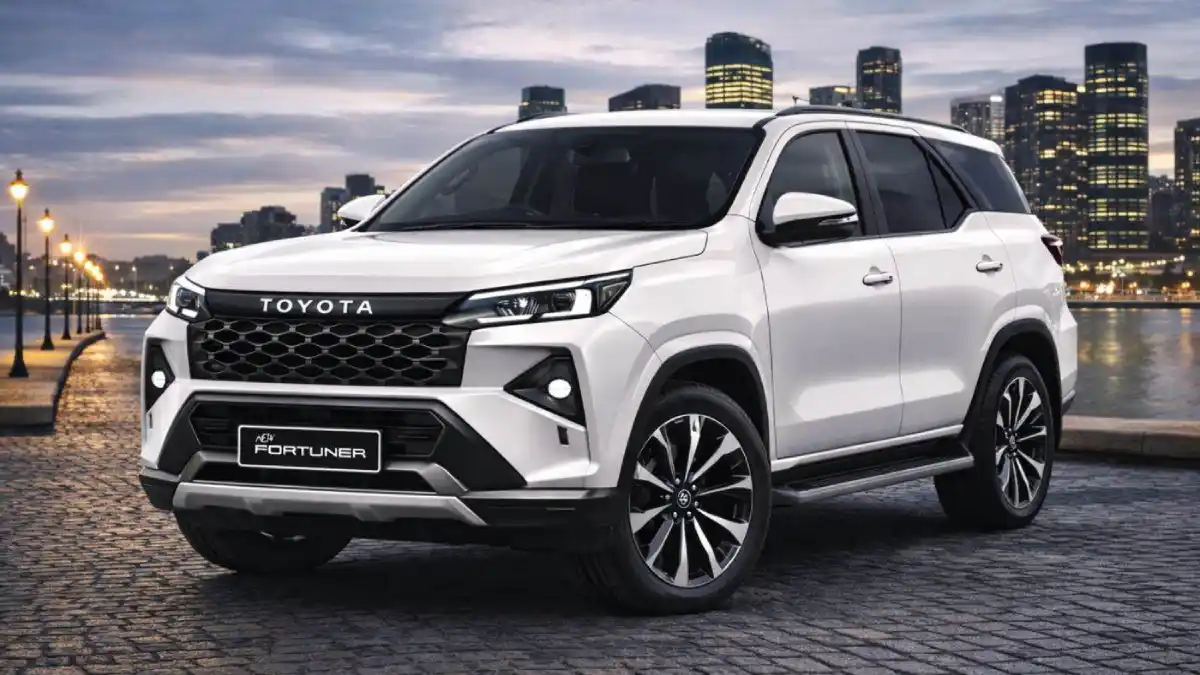
    The upcoming Toyota Fortuner is set to receive one of its biggest updates in nearly a decade. With increasing competition in the premium SUV segment, Toyota is preparing a major overhaul that will transform the Fortuner in terms of design, technology, and performance. Based on recent reports and spy shots, the next-generation model will bring a more modern appeal while retaining its rugged DNA.

    Expected Launch Timeline and Global Debut

    The next-generation Toyota Fortuner is expected to make its global debut around mid-2026, with India launch likely by late 2026 or early 2027.

    This timeline indicates that Toyota is planning a full generational upgrade rather than just a minor facelift. The current Fortuner has been on sale for almost a decade, making this update highly anticipated among SUV buyers.

    New Platform and Improved Architecture

    One of the most important updates will be the introduction of a revised ladder-frame platform. The new Fortuner is expected to be based on Toyota’s updated IMV architecture, which is also shared with the latest Hilux pickup.

    This updated platform is likely to improve structural rigidity, ride comfort, and off-road capability. It will also allow Toyota to integrate electrification technologies like mild-hybrid systems more efficiently.

    Bold Exterior Design and Styling Changes

    The next-gen Fortuner will feature a completely refreshed design that looks more aggressive and modern. Spy shots suggest a wider stance, flatter bonnet, and a more upright SUV profile.

    Key expected exterior updates include:

    • Larger and more prominent front grille
    • Split LED headlamp setup with slim DRLs on top
    • Redesigned bumpers and fog lamp housing
    • New LED tail lamps with connecting light bar
    • Fresh alloy wheel designs and stronger body cladding

    These changes will give the SUV a more premium and commanding road presence.

    Premium Interior and Feature Upgrades

    The cabin of the new Fortuner is expected to undergo a major transformation, addressing one of the biggest criticisms of the current model—lack of modern features.

    Expected interior highlights include:

    • Dual 12.3-inch screens (digital instrument cluster + infotainment)
    • Larger touchscreen with wireless connectivity
    • Ventilated and powered front seats
    • Wireless charging and improved connectivity features
    • Premium materials and improved cabin quality

    Toyota is expected to significantly enhance comfort and technology, making the Fortuner more competitive against newer rivals.

    Advanced Safety and ADAS Technology

    Safety will be a key focus in the next-generation Fortuner. The SUV is likely to feature Level 2 ADAS (Advanced Driver Assistance Systems), a major upgrade over the current model.

    Expected safety features include:

    • Adaptive cruise control
    • Lane departure warning
    • Automatic emergency braking
    • 360-degree camera system
    • Multiple airbags and enhanced driver assistance features

    These additions will bring the Fortuner closer to global safety standards and modern SUV expectations.

    Engine Options and Hybrid Technology

    Under the hood, the next-gen Fortuner is expected to continue with its reliable engine lineup, including petrol and diesel options. However, the biggest update could be the addition of mild-hybrid technology.

    Expected powertrain details:

    • 2.8-litre diesel engine (existing, improved efficiency)
    • 2.7-litre petrol engine
    • Possible 48V mild-hybrid system for better mileage and performance
    • Manual and automatic transmission options

    The hybrid assist is expected to improve fuel efficiency and provide smoother performance, especially in city driving conditions.

    Improved Driving Experience and Capability

    With the updated platform and refined engines, the new Fortuner is expected to offer better ride quality and handling. Toyota is also likely to retain its strong off-road capabilities with advanced 4×4 systems in select variants.

    The addition of hybrid assistance and improved suspension tuning could make the SUV more comfortable for daily use while maintaining its rugged performance on tough terrains.

    Competition and Market Positioning

    The next-gen Fortuner will continue to compete with premium SUVs like the Skoda Kodiaq, MG Gloster, and upcoming global rivals.

    With its strong brand value, reliability, and improved feature list, Toyota aims to maintain its dominance in the full-size SUV segment.

    Conclusion

    The next-generation Toyota Fortuner is shaping up to be a complete package with major improvements across design, features, safety, and performance. From a bold new exterior to a tech-loaded interior and the addition of hybrid technology, the SUV is expected to meet the evolving demands of modern buyers.

    With its launch expected around 2026–27, the new Fortuner could redefine the premium SUV segment once again and continue its legacy as one of the most popular and trusted SUVs in India.

  • BYD Song Ultra EV Launched at 152K Yuan with 605 Km Range and Ultra-Fast Charging

    BYD Song Ultra EV Launched at 152K Yuan with 605 Km Range and Ultra-Fast Charging

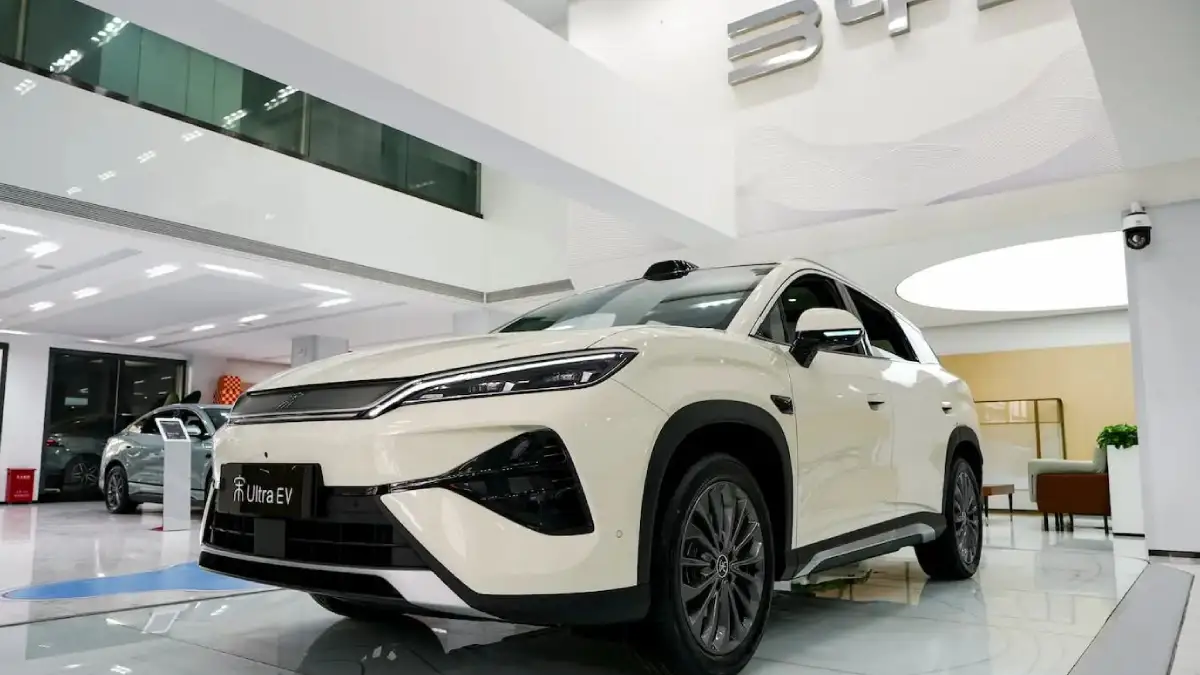
    Chinese automaker BYD has officially launched the Song Ultra EV, expanding its electric SUV lineup with aggressive pricing and advanced technology. The SUV is priced between 151,900 yuan and 179,900 yuan, which translates to approximately Rs 20.7 lakh to Rs 24.5 lakh.

    The Song Ultra EV directly competes with popular electric SUVs like the Tesla Model Y, Leapmotor C11, Shangjie H5, and XPeng G6. BYD has positioned this model as a value-driven offering with better space, faster charging, and competitive pricing.

    Design and Exterior Highlights

    The BYD Song Ultra EV is part of the brand’s Dynasty lineup and follows a modern and clean design philosophy. The front fascia features sleek LED headlamps, sharp DRLs, and a closed-off grille typical of electric vehicles. The sculpted bonnet and aerodynamic elements enhance its premium appeal.

    From the side, the SUV gets squared wheel arches, 19-inch alloy wheels, flush door handles, and blacked-out pillars. The gently sloping roofline adds a sporty touch while maintaining practicality.

    At the rear, the connected LED tail lamps are inspired by traditional Chinese knot design, giving the SUV a distinctive identity. The metallic accents on the bumper further elevate its sporty styling. The SUV is available in multiple color options including Fire Gray, Snow White, Smoky Purple, Galaxy Beige, Palm Green, and Obsidian Black.

    Dimensionally, the Song Ultra EV measures 4,850 mm in length, 1,910 mm in width, and 1,670 mm in height, with a wheelbase of 2,840 mm. It offers a boot space of 730 litres, expandable to 1,659 litres, along with a 150-litre front trunk.

    Interior, Features and Technology

    Inside the cabin, the Song Ultra EV offers a tech-rich and comfortable environment. It comes equipped with a 10.25-inch digital instrument cluster, a large 15.6-inch touchscreen infotainment system, and an impressive 26-inch head-up display powered by BYD’s UI 7.0 system.

    Comfort features include ventilated and heated front seats, a 10-point massage function, and an 8-way electrically adjustable driver seat. The SUV also gets ambient lighting, premium soft-touch materials, and a column-mounted electronic gear shifter.

    One standout feature is the ‘bed mode’, which allows the seats to fold flat into a 1.8-meter surface, making it ideal for long journeys or rest stops. Rear passengers benefit from generous legroom and flexible seat configurations.

    Safety is well covered with seven airbags and advanced driver assistance systems. The optional DiPilot 300 system, equipped with LiDAR and 27 sensors, supports autonomous features like city navigation assist, highway driving assist, and automated parking.

    Performance, Range and Charging

    The BYD Song Ultra EV is offered with two battery pack options: 68.4 kWh and 82.7 kWh. The smaller battery delivers a range of up to 620 km, while the larger pack offers an impressive range of up to 710 km on a full charge.

    Performance is equally strong, with power outputs of 240 kW and 270 kW depending on the variant. All versions are rear-wheel drive and produce 305 Nm of torque, with a top speed of 210 km/h.

    A major highlight is BYD’s Blade Battery 2.0 technology, which enables ultra-fast charging. The SUV can charge from 10% to 70% in just 5 minutes, and from 10% to 97% in approximately 9 minutes, setting a new benchmark in the EV segment.

    New BYD Song Ultra EV VariantPrice (Yuan)Price (INR)Range (CLTC)Battery (kWh)Power (kW)
    605 km Leading RWD1,51,90020,81,030620 km68.4240
    605 km Transcend RWD1,59,90021,90,630620 km68.4240
    710 km Transcend RWD1,69,90023,27,630710 km82.7270
    710 km Excellence RWD1,79,90024,64,630710 km82.7270

    Overall Positioning and Market Impact

    The BYD Song Ultra EV stands out as a well-rounded electric SUV offering long range, cutting-edge technology, and extremely fast charging at a competitive price point. With its combination of practicality, performance, and innovation, it is expected to make a strong impact in the global EV market.

  • Chery-Jaguar Land Rover Freelander SUV Spied in Crash Test Ahead of Launch: Design, Features, Specs

    Chery-Jaguar Land Rover Freelander SUV Spied in Crash Test Ahead of Launch: Design, Features, Specs

    The upcoming Freelander SUV, developed under the Chery-JLR partnership, is set to debut on March 31. The Freelander nameplate, originally associated with Land Rover, is now being revived as a standalone brand separate from JLR’s existing portfolio that includes Range Rover, Defender and Discovery.

    This marks a significant step in the long-standing collaboration between Chery and Jaguar Land Rover, which has been operational since 2012.

    Crash Test Spy Shots Reveal Key Details

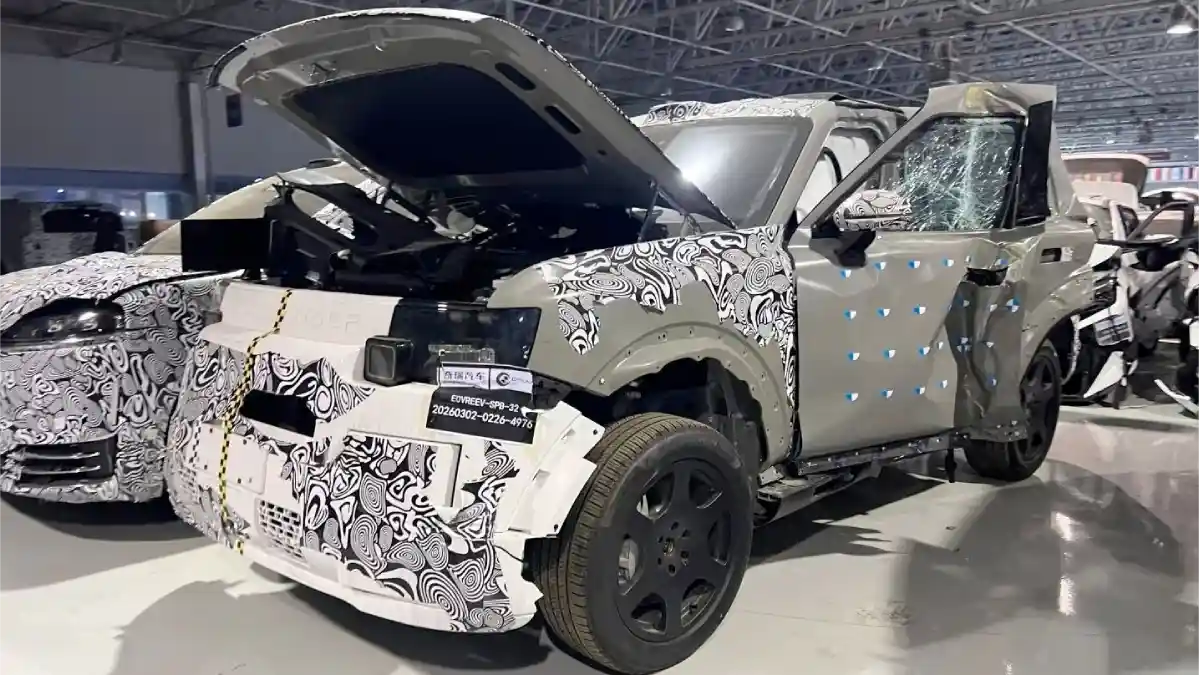
    Ahead of its official launch, the Freelander SUV has been spotted at a crash test facility. The test vehicle carried markings of “Chery Auto” and “C-NCAP,” indicating it underwent safety evaluation, likely a side pole impact test based on visible damage on the side profile.

    These early tests highlight the brand’s focus on safety and structural strength before market introduction.

    Rugged Design Inspired by Land Rover DNA

    The new Freelander SUV carries forward a rugged and boxy design language similar to classic Land Rover models. It features rectangular headlamps, a closed grille, and a prominent clamshell bonnet.

    The SUV also gets distinctive lighting signatures, large alloy wheels, roof rails and running boards, enhancing its strong road presence. The ‘Freelander’ badging is visible on both the front grille and rear section.

    Advanced Tech and Interior Features

    Inside, the Freelander SUV is expected to offer a premium and tech-loaded cabin with a 6-seat configuration (2+2+2). It will feature a full-width display across the dashboard along with a large floating touchscreen for infotainment.

    The SUV is expected to include Level 2+ ADAS systems sourced from Huawei Qiankun, while the infotainment system will run on advanced Qualcomm Snapdragon chips.

    Additional highlights include dual wireless charging pads, an electronic gear selector, and enhanced comfort features like a ‘zero-gravity’ second-row seat.

    Battery, Powertrain and Performance Expectations

    The Freelander SUV will be offered in both BEV (Battery Electric Vehicle) and EREV (Extended Range Electric Vehicle) versions. The fully electric variant is expected to feature an 800V high-voltage system for improved efficiency and performance.

    Battery technology will be sourced from CATL, known for high energy density and strong safety standards. All variants are expected to come with all-wheel drive (AWD) and off-road capabilities inspired by Land Rover.

    Expected Price and Global Availability

    The Freelander SUV is expected to be priced at around CNY 400,000 (approximately Rs 54.5 lakh). Initially, it will be launched in China, followed by availability in the Middle East, with a possible expansion to other global markets in the future.

    With its combination of rugged design, advanced technology and electric powertrain options, the Freelander SUV is shaping up to be a strong contender in the premium SUV segment.

  • Mahindra Thar Facelift 2026 Spied With Thar Roxx Inspired Design, Expected Features and Launch Details

    Mahindra Thar Facelift 2026 Spied With Thar Roxx Inspired Design, Expected Features and Launch Details

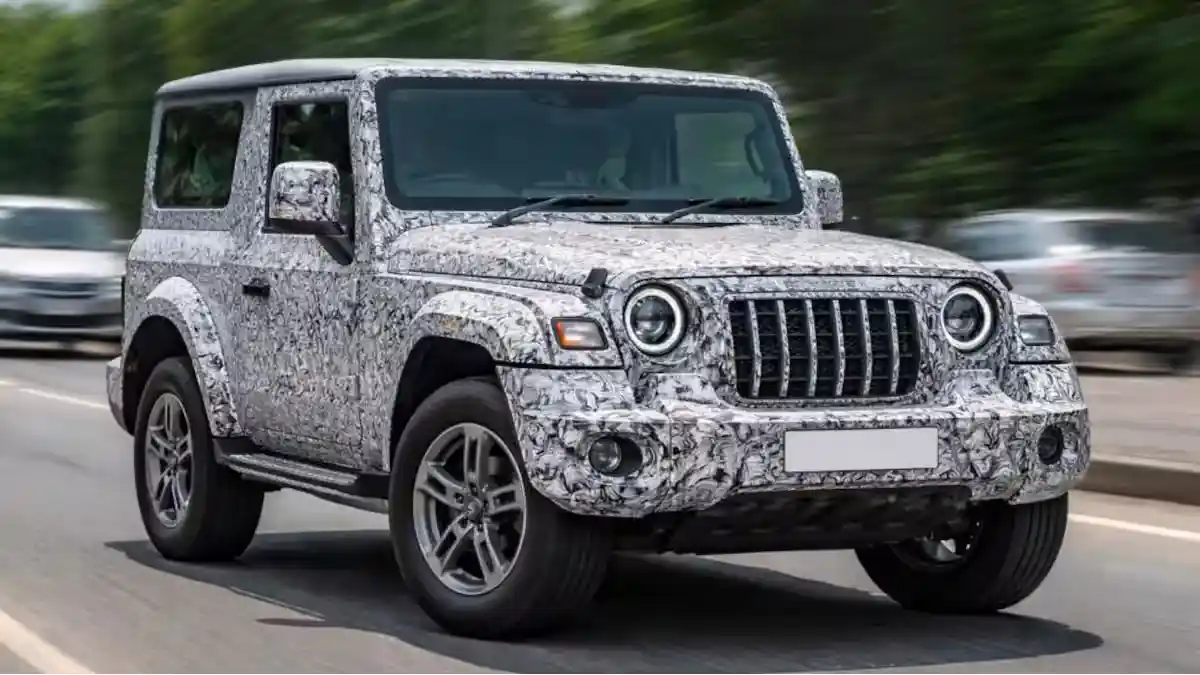
    Mahindra is gearing up to refresh its iconic off-road SUV, as the Mahindra Thar facelift has been spotted testing on Indian roads. The upcoming update is expected to bring noticeable design tweaks inspired by the larger Thar Roxx, along with feature upgrades to enhance daily usability while retaining its rugged DNA.

    Thar Roxx-Inspired Design Updates

    Spy shots reveal that the facelifted Thar will borrow several styling elements from the Thar Roxx. The front fascia is expected to feature circular LED headlamps with C-shaped DRLs, a revised six-slat grille, and updated bumpers. These changes aim to give the SUV a more modern and premium appearance while keeping its iconic boxy look intact.

    At the rear, updated LED tail lamps with new detailing are also likely, along with refreshed alloy wheel designs to enhance the overall stance.

    Full LED Lighting and Exterior Enhancements

    One of the key upgrades expected in the 2026 facelift is the shift to a full LED lighting setup. This could include LED headlamps, DRLs, indicators, and tail lamps, replacing the current halogen units in lower variants.

    Additionally, subtle exterior changes like new alloy wheels and revised bumpers will help differentiate the facelift model from the current version while maintaining its familiar silhouette.

    Interior and Feature Upgrades

    While details about the cabin are still limited, the facelift is expected to introduce more convenience and tech features. Reports suggest additions like automatic climate control, wireless charging, upgraded infotainment, and possibly advanced driver assistance systems (ADAS) in higher variants.

    Mahindra is also likely to improve overall usability, as the Thar continues to attract buyers looking for a mix of off-road capability and daily comfort.

    Engine and Powertrain Details

    Mechanically, the Thar facelift is expected to remain unchanged. It will likely continue with the existing engine options:

    • 2.0-litre turbo-petrol engine
    • 2.2-litre diesel engine
    • 1.5-litre diesel engine

    Transmission choices should include a 6-speed manual and a 6-speed automatic, with both rear-wheel-drive and four-wheel-drive configurations available.

    Expected Launch Timeline and Price

    The Mahindra Thar facelift is expected to debut in 2026, although an official launch date has not been confirmed yet. Pricing is likely to see a slight increase over the current model, which starts from around ₹9.99 lakh (ex-showroom).

  • Toyota Land Cruiser FJ Launched in Thailand, India Launch Expected Soon with 4WD and 2.7L Engine

    Toyota Land Cruiser FJ Launched in Thailand, India Launch Expected Soon with 4WD and 2.7L Engine

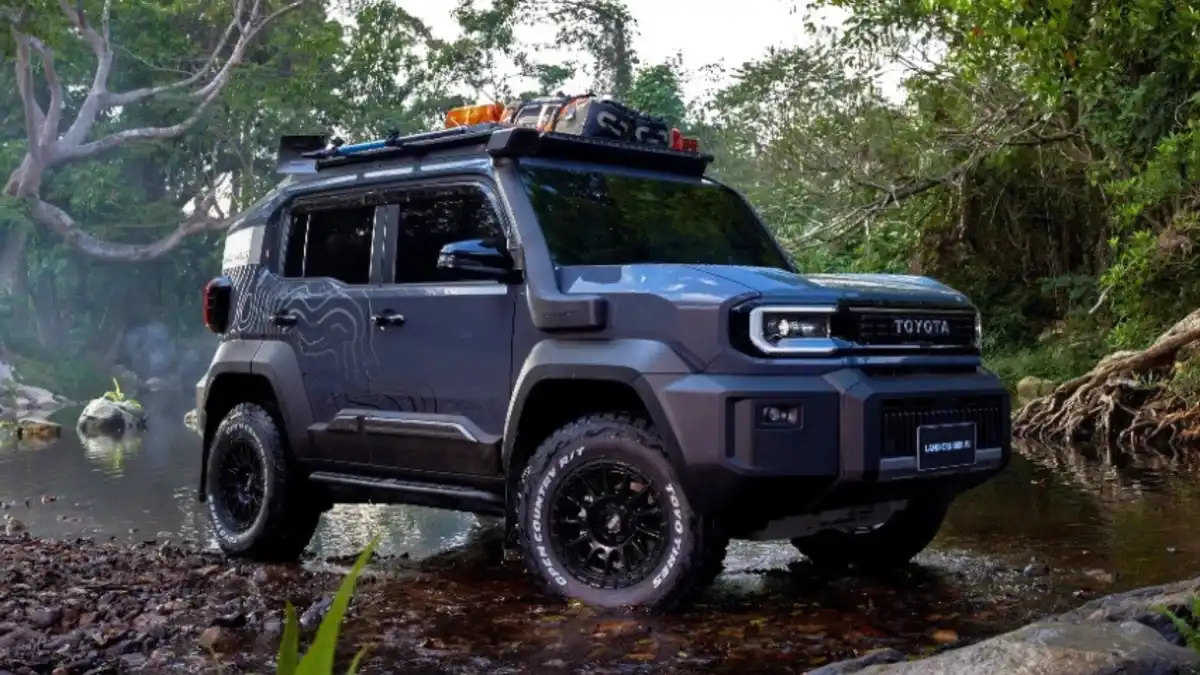
    Toyota has officially revealed the Land Cruiser FJ at the 47th Bangkok International Motor Show (BIMS) 2026, marking the debut of a compact yet rugged SUV that blends classic design with modern features. Often dubbed a “Mini Fortuner,” the new model is expected to make its way to India in the coming years, bringing a rare combination of ladder-frame construction and true off-road capability in a compact footprint.

    Land Cruiser FJ Price and Launch Timeline

    The Land Cruiser FJ has been introduced in Thailand with a starting price of 1.269 million Baht (approximately Rs. 36.40 lakh). The SUV will go on sale in the Thai market by the end of March 2026 and is currently offered in a single 4WD 2.7-litre variant. Toyota is expected to launch the model in India within the next couple of years.

    Also Read: Honda City Facelift Spotted Testing in Brazil – Design, Features, Launch Details

    Rugged Design Inspired by Classic FJ Models

    The Land Cruiser FJ carries a bold and upright stance with strong design inspiration from older FJ models. It features a boxy silhouette, a prominent Toyota lettering on the grille, and C-shaped LED daytime running lights. Buyers can also opt for retro-style round headlamps for a more classic appeal.

    From the side, the SUV showcases a stepped window line and a chunky C-pillar, enhancing its rugged look. At the rear, it gets an octagonal side-hinged tailgate along with a spare wheel mounted externally, reinforcing its off-road-ready character.

    Also Read: Mahindra XEV 9e Cineluxe Edition Reaches Dealerships; Deliveries to Begin Soon

    Dimensions and Platform Details

    Unlike many modern SUVs built on monocoque platforms, the Land Cruiser FJ is based on Toyota’s IMV0 ladder-frame architecture. This body-on-frame construction not only improves durability but also allows it to be classified as a truck-based SUV in Thailand.

    The SUV measures 4,610 mm in length, 1,855 mm in width, and 1,890 mm in height, with a wheelbase of 2,580 mm, making it compact yet capable.

    Also Read: Triumph Unveils One-Off Speed Twin 1200 Cafe Racer DGR Edition for 2026 Gentleman’s Ride

    Interior Features and Technology

    Inside the cabin, the Land Cruiser FJ offers a mix of practicality and modern technology. It comes equipped with a 7-inch digital instrument cluster and a 12.3-inch touchscreen infotainment system that supports Apple CarPlay and Android Auto.

    Other key features include:

    • Dual-zone automatic climate control with PM2.5 air filtration
    • Six-speaker audio system
    • Black synthetic leather upholstery
    • Eight-way power-adjustable driver seat
    • Multiple USB Type-C charging ports

    A unique addition is the MOLLE mounting system in the cargo area, allowing users to securely attach outdoor gear and accessories, making it ideal for adventure enthusiasts.

    Engine and Performance

    Powering the Land Cruiser FJ is a 2.7-litre naturally aspirated petrol engine.

    2TR-FE 2.7-litre petrol engine produces 166 PS at 5,200 rpm and 245 Nm of torque at 4,000 rpm, similar to what is seen in the Fortuner. The engine is paired with a six-speed automatic transmission featuring a sequential shift function.

    4WD Capability and Off-Road Hardware

    The Land Cruiser FJ stands out with its serious off-road credentials. It features a part-time four-wheel-drive system along with a low-range transfer case. The hardware is derived from Toyota’s Hilux pickup, ensuring proven durability and capability in challenging terrains.

    India Launch Expectations

    Toyota is likely to introduce the Land Cruiser FJ in India within the next two to three years. With very few SUVs in the segment offering a ladder-frame chassis and true low-range 4WD, the FJ could create a niche for itself among off-road enthusiasts looking for a compact yet capable SUV.

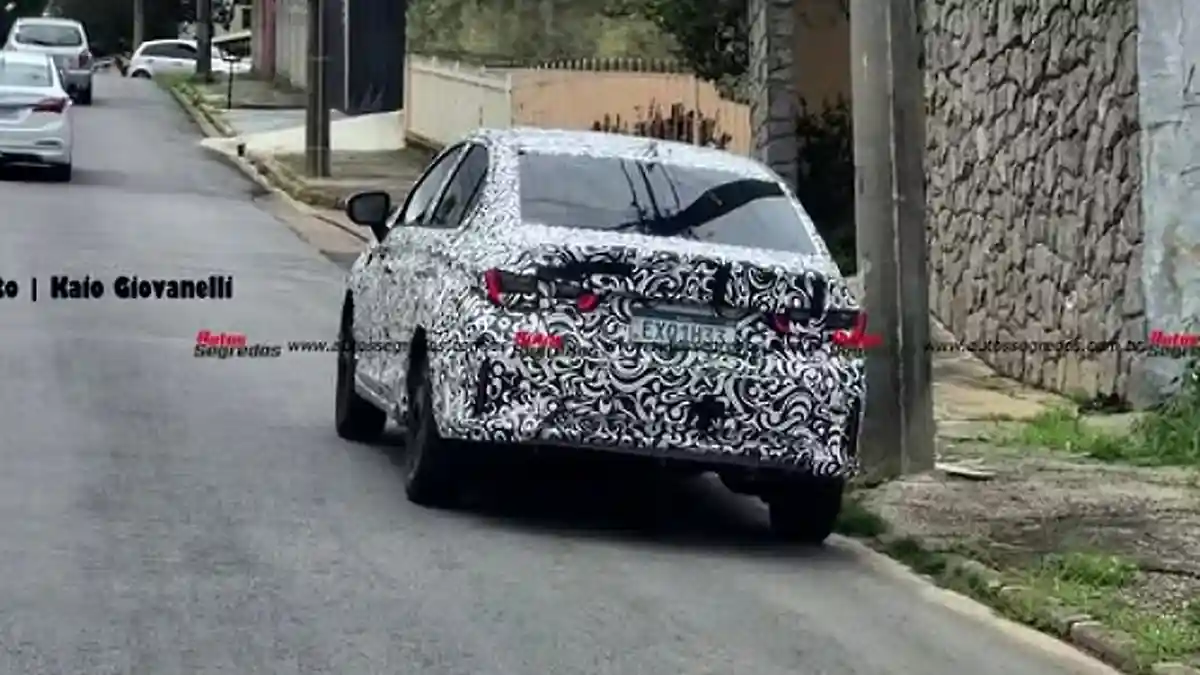
  • Honda City Facelift Spotted Testing in Brazil – Design, Features, Launch Details

    Honda City Facelift Spotted Testing in Brazil – Design, Features, Launch Details

    The upcoming facelift of the Honda City has been spotted testing in Brazil, giving an early glimpse of what to expect from the refreshed mid-size sedan. The camouflaged prototype suggests subtle design revisions, upgraded features, and a continued focus on reliability as Honda prepares to keep the City competitive in global markets.

    Prototype Testing in Brazil Signals Mid-Cycle Update

    Spy shots from Brazil reveal a heavily camouflaged test mule of the facelifted Honda City undergoing real-world testing. The presence of camouflage on key areas like the front and rear indicates noticeable styling updates, although the overall body structure remains unchanged.

    This confirms that the model is receiving a mid-cycle facelift rather than a full generational overhaul. Brazil, being an important market for Honda, often serves as a testing ground for updates that later appear in markets like India.

    Exterior Design Expected to Get Modern Tweaks

    The facelifted Honda City is likely to feature a refreshed exterior design inspired by Honda’s newer global lineup.

    Expected changes include:

    • Redesigned front grille with a more premium look
    • Updated LED headlamps with sharper detailing
    • Sportier front and rear bumpers
    • Revised LED tail lamps
    • New alloy wheel designs

    These updates aim to give the sedan a more contemporary and dynamic appearance while retaining its familiar silhouette.

    Interior and Features Likely to See Upgrades

    Inside the cabin, the Honda City facelift is expected to receive feature enhancements rather than a complete redesign.

    Possible additions include:

    • Updated infotainment system with improved interface
    • New upholstery and cabin trims
    • 360-degree camera system
    • Ventilated front seats
    • Enhanced connectivity features

    These upgrades will help Honda match the evolving expectations of buyers in the segment.

    Engine Options Expected to Remain Unchanged

    Mechanically, the facelifted Honda City is likely to retain its current engine lineup.

    • 1.5-litre naturally aspirated petrol engine
    • 6-speed manual and CVT transmission options
    • Strong hybrid (e:HEV) variant

    This means the focus will remain on proven performance and fuel efficiency rather than introducing new powertrains.

    Expected Launch Timeline

    The global debut of the facelifted Honda City is expected in the second half of 2026, with Brazil likely to be among the first markets to receive it.

    Following its international launch, the updated model is expected to arrive in India shortly after, where it will continue to compete with rivals like Hyundai Verna, Volkswagen Virtus, and Skoda Slavia.

    Conclusion

    The sighting of the Honda City facelift prototype confirms that Honda is working on keeping its popular sedan fresh and relevant. While the changes appear evolutionary rather than revolutionary, the updated design and new features could help the City maintain its strong position in the mid-size sedan segment.

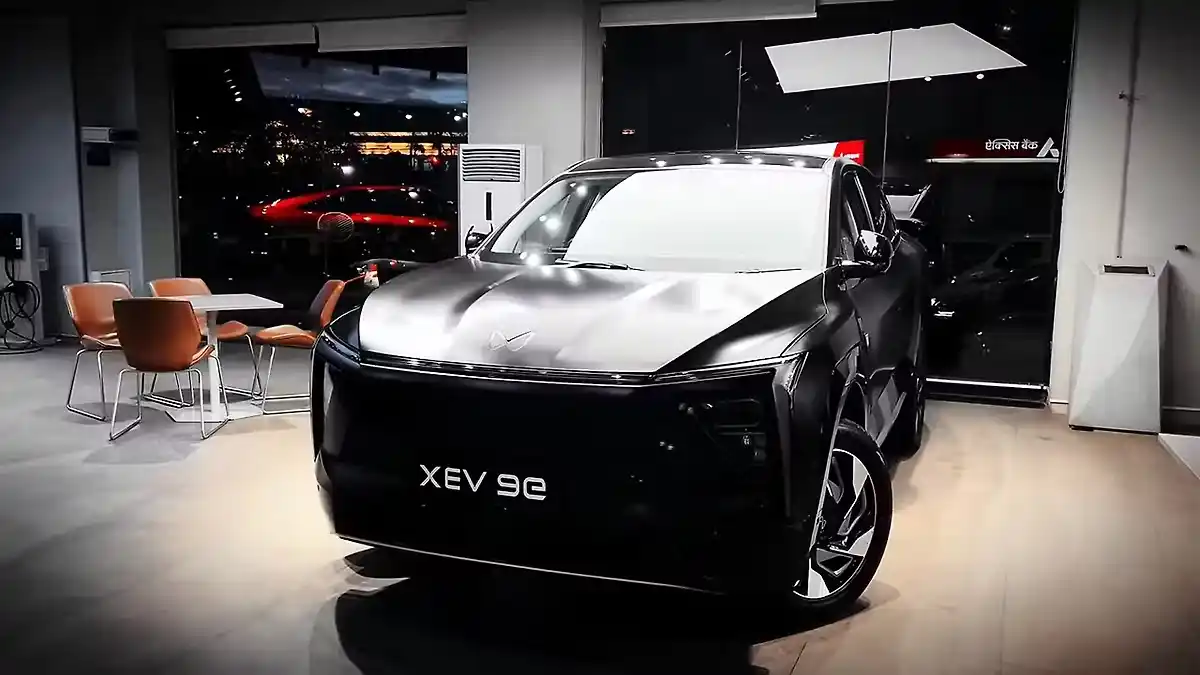
  • Mahindra XEV 9e Cineluxe Edition Reaches Dealerships; Deliveries to Begin Soon

    Mahindra XEV 9e Cineluxe Edition Reaches Dealerships; Deliveries to Begin Soon

    Mahindra’s premium electric SUV, the XEV 9e Cineluxe Edition, has started arriving at dealerships across India, signaling that customer deliveries will begin shortly. Priced at ₹29.35 lakh (ex-showroom), this special edition focuses on enhanced styling, luxury interiors, and advanced features while retaining the same performance as the standard model.

    Cineluxe Edition Now Available at Dealerships

    The newly introduced Cineluxe Edition is based on the top-spec Pack Three variant of the XEV 9e. After its official launch earlier this month, the model has now begun reaching showrooms nationwide, indicating that deliveries are imminent. Bookings for the SUV had already opened in early March, with deliveries expected to commence soon.

    Also Read: Triumph Unveils One-Off Speed Twin 1200 Cafe Racer DGR Edition for 2026 Gentleman’s Ride

    Exclusive Matte Finish and Premium Exterior

    One of the biggest highlights of the Cineluxe Edition is its distinctive matte-finish exterior. It is offered in exclusive Satin Black and Satin White colour options, giving it a more premium and unique road presence compared to the standard version.

    The SUV also features special Cineluxe badging and retains its coupe-style design, LED lighting elements, and bold styling cues that define the XEV 9e lineup.

    Also Read: Royal Enfield Flying Flea C6 Electric Bike Spotted on Roads for the First Time at Rome Marathon

    Upgraded Interior with Luxury Feel

    Inside the cabin, Mahindra has introduced a new Chestnut Brown theme combined with Nocturne Black finishes. This dual-tone treatment enhances the overall premium feel of the interior.

    The cabin continues to offer a lounge-like experience with a triple-screen setup, high-quality materials, and ambient lighting, making it one of the most feature-rich electric SUVs in its segment.

    Advanced Features and Technology

    The Cineluxe Edition comes loaded with high-end features, including

    • Panoramic sunroof
    • ADAS safety suite
    • Triple-screen infotainment setup
    • 16-speaker Harman Kardon sound system with Dolby Atmos
    • 65W Type-C fast charging
    • Augmented reality head-up display and auto park assist

    These features are carried over from the top-spec variant, ensuring no compromise on technology and convenience.

    Battery, Range and Performance

    Mechanically, the SUV remains unchanged. It is powered by a 79kWh battery pack paired with an electric motor producing 282bhp and 380Nm of torque.

    Mahindra claims a driving range of up to 656km on a single charge, making it a strong contender in the long-range EV segment.

    Price and Positioning

    The Mahindra XEV 9e Cineluxe Edition is priced at ₹29.35 lakh (ex-showroom). It sits as a more premium and exclusive offering above the standard variants, mainly focusing on design and luxury enhancements rather than performance upgrades.

    Conclusion

    With its arrival at dealerships, the Mahindra XEV 9e Cineluxe Edition is set to attract buyers looking for a premium electric SUV with exclusive styling and advanced features. While the powertrain remains unchanged, the new design elements and enhanced cabin experience make it a compelling upgrade over the standard model.

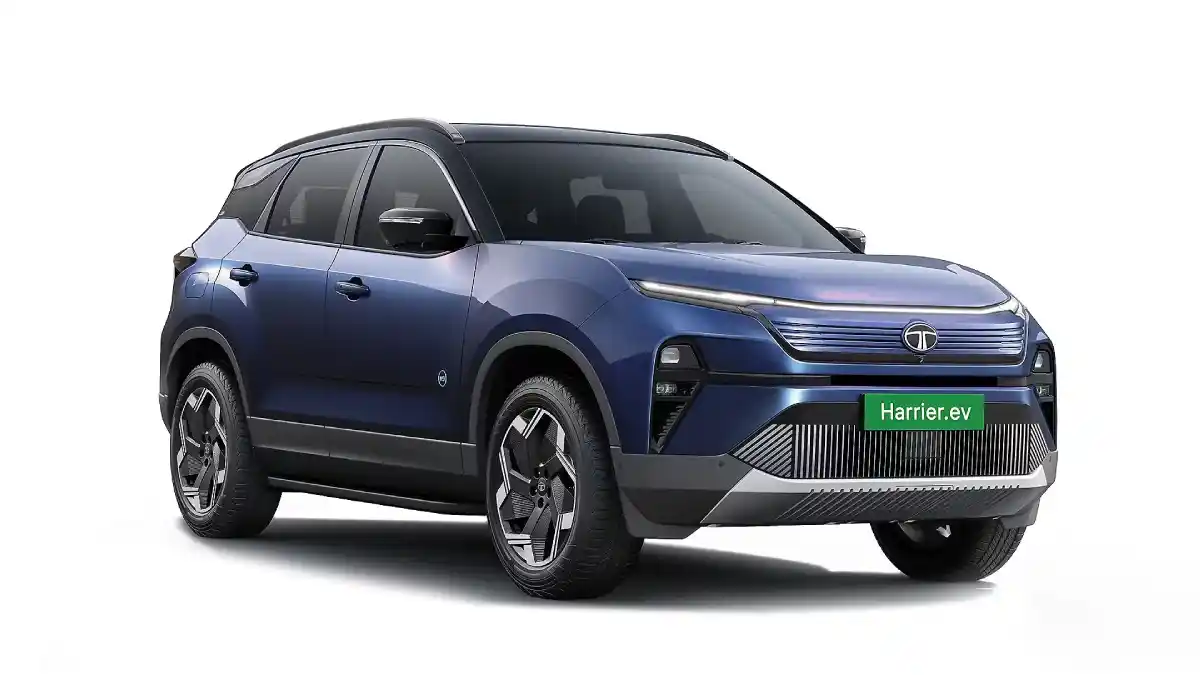
  • Tata Harrier EV Fearless+ QWD Launched at Rs 26.49 Lakh with AWD and 75kWh Battery

    Tata Harrier EV Fearless+ QWD Launched at Rs 26.49 Lakh with AWD and 75kWh Battery

    Tata Harrier EV has taken a big step forward in the Indian electric SUV segment with the launch of its new Fearless+ QWD 75 variant. Priced at Rs 26.49 lakh (ex-showroom), this new model brings advanced all-wheel drive capability at a more accessible price point. With a powerful dual-motor setup, large 75kWh battery pack, and feature-loaded cabin, the Harrier EV is now even more appealing for buyers looking for performance, technology, and versatility in an electric SUV.

    Tata Harrier EV Fearless+ QWD Price and Positioning

    The newly launched Fearless+ QWD 75 variant is priced at Rs 26.49 lakh, making it one of the most value-driven all-wheel-drive electric SUVs in its segment. With this move, Tata Motors has made AWD technology more affordable, which was earlier limited to higher-end variants.

    This pricing strategy is expected to attract a wider range of customers who want a capable EV with better traction and off-road performance without stretching their budget too much.

    Quad Wheel Drive System and Performance

    The highlight of this variant is its QWD (Quad Wheel Drive) system. Unlike conventional single-motor setups, this variant uses a dual-motor configuration that powers all four wheels. This results in improved grip, enhanced stability, and superior off-road capability.

    The 75kWh battery pack in this variant produces an impressive 390 bhp and 504 Nm of torque. It can accelerate from 0 to 100 kmph in just 6.3 seconds and reach a top speed of around 180 kmph.

    This makes the Harrier EV not just practical, but also one of the most powerful electric SUVs in its category.

    Battery, Range and Charging

    The Tata Harrier EV comes with two battery options – 65kWh and 75kWh. The new Fearless+ QWD variant features the larger 75kWh battery pack, which offers a claimed range of up to 622 km (ARAI certified). In real-world conditions, the range is expected to be around 480 to 505 km.

    The RWD version with the same battery pack offers an even higher claimed range of up to 627 km. Meanwhile, the smaller 65kWh battery variant produces 235 bhp and is suitable for those looking for a more affordable option.

    In terms of charging, the Harrier EV supports fast charging. A 120kW DC fast charger can add up to 250 km of range in just 15 minutes, while charging from 20% to 80% takes around 25 minutes.

    Features and Technology

    The Tata Harrier EV is packed with advanced features and modern technology. It comes with a large 14.53-inch Samsung Neo QLED infotainment touchscreen, which is a segment-first feature. It is paired with a 12.25-inch fully digital instrument cluster.

    For entertainment, the SUV offers a 10-speaker JBL sound system with Dolby Atmos 5.1 support, along with wireless Apple CarPlay and Android Auto.

    Convenience features include a panoramic sunroof, dual-zone climate control, ventilated and powered front seats, memory function for the driver, and rear sunshades. The vehicle also supports Vehicle-to-Load (V2L) and Vehicle-to-Vehicle (V2V) charging.

    Additionally, features like Auto Park Assist, summon mode, 540-degree surround view camera, blind spot monitoring, and connected car technology make it one of the most tech-loaded SUVs in the segment.

    Safety and ADAS Features

    Safety is a major highlight of the Harrier EV. It comes with a five-star safety rating and is equipped with seven airbags, electronic stability control, and all-wheel disc brakes.

    The SUV also includes advanced safety systems such as Level 2 ADAS, which offers features like lane assist, adaptive cruise control, and collision warning. Other safety features include hill descent control, traction control, TPMS, reverse parking assist, and a 540-degree camera system.

    An Acoustic Vehicle Alert System (AVAS) is also included to alert pedestrians, which is especially useful for electric vehicles.

    Interior Comfort and Exterior Styling

    The Harrier EV retains a design similar to its ICE counterpart but includes several EV-specific elements. These include a closed-off grille, redesigned bumpers, EV badging, and 19-inch aero-optimized alloy wheels.

    The SUV also features LED lighting, connected tail lamps, roof rails, and a sporty stance. It is available in multiple color options such as Nainital Nocturne, Empowered Oxide, Pure Grey, and Pristine White, along with a special Stealth Edition.

    Inside the cabin, the SUV offers a spacious and premium feel with multiple interior themes. The dashboard is dominated by large screens, smart digital controls, and a modern steering wheel with an illuminated logo.

    Pros and Cons of Tata Harrier EV

    The Tata Harrier EV offers several advantages, including powerful performance, long driving range, and a feature-rich cabin. The availability of AWD technology at a more affordable price is a major plus point. It also provides excellent ride quality and strong safety features.

    However, there are some limitations. The current EV charging infrastructure in India may cause range anxiety for long-distance travel. Additionally, controlling power output during slow off-road driving can be slightly challenging.

    FAQs

    What is the price of Tata Harrier EV Fearless+ QWD variant?

    The new Fearless+ QWD 75 variant is priced at Rs 26.49 lakh (ex-showroom).

    What is QWD in Tata Harrier EV?

    QWD stands for Quad Wheel Drive, which uses a dual-motor setup to power all four wheels, providing better traction and performance.

    What is the range of Tata Harrier EV 75kWh variant?

    The claimed range is up to 622 km, while real-world range is around 480–505 km.

    How fast can Tata Harrier EV accelerate?

    The 75kWh QWD variant can accelerate from 0 to 100 kmph in just 6.3 seconds.

    Does Tata Harrier EV support fast charging?

    Yes, it supports DC fast charging, which can add up to 250 km range in 15 minutes.

    What are the key features of Tata Harrier EV?

    Key features include a 14.53-inch infotainment screen, JBL sound system, panoramic sunroof, ADAS, 540-degree camera, and connected car tech.

    Is Tata Harrier EV good for long drives?

    Yes, with its long range, comfortable cabin, and fast charging support, it is suitable for long-distance travel.