Category: Car News

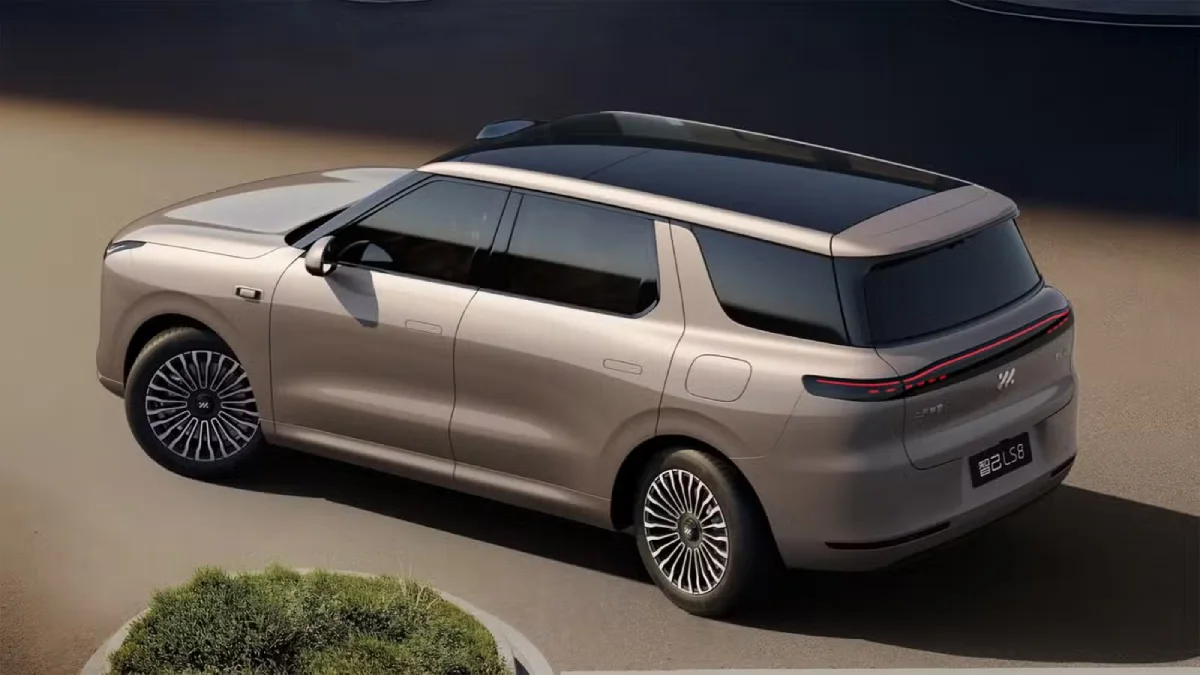
  • IM Motors LS8 EREV SUV Launched – Up To 430 km EV Range, 4WS & 800V Platform

    IM Motors LS8 EREV SUV Launched – Up To 430 km EV Range, 4WS & 800V Platform

    SAIC-owned IM Motors has officially launched the new LS8 extended-range electric SUV (EREV). Positioned below the flagship LS9, the LS8 comes equipped with an 800V electrical architecture, four-wheel steer-by-wire system and offers up to 430 km of pure electric range. The SUV is available in both 5- and 6-seat configurations, with introductory pricing starting from 249,800 yuan (approx $36,600).

    Pricing & Variants

    At launch, IM Motors is offering the LS8 in four trims, differentiated by battery size and seating layout.

    VariantPrice (Yuan)Price (USD)
    52 Max+ Tech Flagship Big Five-Seater249,80036,600
    66 Ultra Tech Flagship Big Five-Seater279,80041,000
    52 Max+ Luxury Big Six-Seater269,80039,600
    66 Ultra Luxury Big Six-Seater299,80044,000

    The LS8 is the sixth model under IM brand and forms part of the LS SUV lineup alongside LS6, LS7 and LS9. As expected from its naming, it sits below LS9 and shares a similar design language, though it skips some of the premium chrome elements and luxury-style wheels seen on the flagship.

    Powertrain & Range Details

    The LS8 is offered with two battery options and drivetrain configurations.

    The 52 Max+ variants are powered by a 52 kWh LFP battery sourced from Jiangsu Zenergy. These get a rear-wheel-drive layout with a single motor producing 230 kW (308 hp). Performance figures include 0-100 km/h in 7.3 seconds, a top speed of 190 km/h and a claimed CLTC electric range of 355 km.

    Higher-spec 66 Ultra variants use a larger 66 kWh ternary NMC battery supplied by the CATL-SAIC joint venture. These feature a dual-motor AWD setup, combining a 230 kW rear motor with a 160 kW front motor. Total output stands at 390 kW (523 hp), enabling 0-100 km/h acceleration in 4.7 seconds and a top speed of 220 km/h. Claimed electric range increases to 430 km.

    All variants come equipped with IM’s “Stellar” Super Extended Range System. This setup combines the 800V platform with a “Zephyr” 1.5-litre turbocharged petrol engine acting as a range extender. With a full battery and 60-litre fuel tank, total driving range is claimed at up to 1,605 km.

    Dimensions & Chassis Setup

    The LS8 measures 5,085 mm in length, 2,000 mm in width and 1,807 mm in height, with a wheelbase of 3,060 mm. Kerb weight stands at 2,540 kg for 52 variants and 2,620 kg for 66 variants. Standard wheel size is 20-inch, while 21- and 22-inch options are also available.

    Underpinning the SUV is IM’s latest “Lingxi” digital chassis. It features a dual wishbone setup at the front and multi-link suspension at the rear. All variants get single-chamber air suspension along with continuous damping control (CDC) as standard.

    On 66 Ultra trims, IM offers an optional four-wheel steer-by-wire package priced at 10,000 yuan (approx $1,470). This system enables the rear wheels to turn up to 24 degrees and offers a variable steering ratio ranging from 4.5:1 to 14.2:1. As a result, turning radius is reduced to just 4.85 metres, which is notable for a vehicle of this size. All variants also come equipped with Continental’s MK C2 brake-by-wire system.

    Exterior & Interior Options

    The LS8 is available in five exterior colour options – Pamir Grey, Olympus Black, Chogori Silver, Alps White and Bled Green. Inside, buyers can choose from three interior themes – Black, Rice White and Brown.

    The cabin features a wraparound design with a strong focus on digital interfaces. It gets a 27.1-inch 5K MiniLED central display along with a 15.6-inch 3K passenger screen. The system is powered by Qualcomm’s 8295P chipset. An optional B&O audio system with 25 speakers is also on offer.

    Comfort & Convenience Features

    The LS8 focuses heavily on rear seat comfort and in-cabin luxury. Both front and second-row seats come with ventilation, heating and massage functions. Second-row passengers also get access to a 12.3-litre storage unit that supports cooling, heating and freezing functions.

    Additional features include motorised privacy shades, active noise cancellation and cabin floor heating. Notably, LS8 and LS9 are currently the only production cars to offer heated cabin floors.

    ADAS & Smart Driving Tech

    For driver assistance, IM Motors has partnered with Momenta. The LS8 offers an advanced ADAS suite featuring an optional 520-line roof-mounted LiDAR sensor paired with Nvidia Thor chip and 64GB LPDDR5x RAM.

    The system is capable of detecting obstacles up to 300 metres ahead. It also supports map-free Navigation on Autopilot (NOA), allowing L2 assisted driving in urban environments across Chinese cities.

    Market Position & Rivals

    IM Motors delivered 5,824 units in March 2026, and monthly volumes have largely remained below 10,000 units except for a brief spike in late 2025. With LS8, the company aims to improve its market performance through aggressive pricing and a feature-loaded package.

    The LS8 may also be introduced in international markets under the MG brand, similar to how IM’s L6 sedan is sold overseas.

    In China’s highly competitive new-energy SUV segment, the LS8 will rival models such as the Li Auto L8, Denza N8L, Aito M8 and Voyah Taishan X8.

    Segment Trends

    Buyers in this segment prioritise comfort, long driving range and advanced technology. Automakers are increasingly positioning such SUVs as “home away from home”, introducing features focused on convenience and lifestyle.

    Examples include in-cabin heating solutions, luxury seating setups and even experimental concepts like integrated cooking systems and extended living features. With LS8, IM Motors continues this trend by combining performance, practicality and high-end comfort features in a single package.
    Source

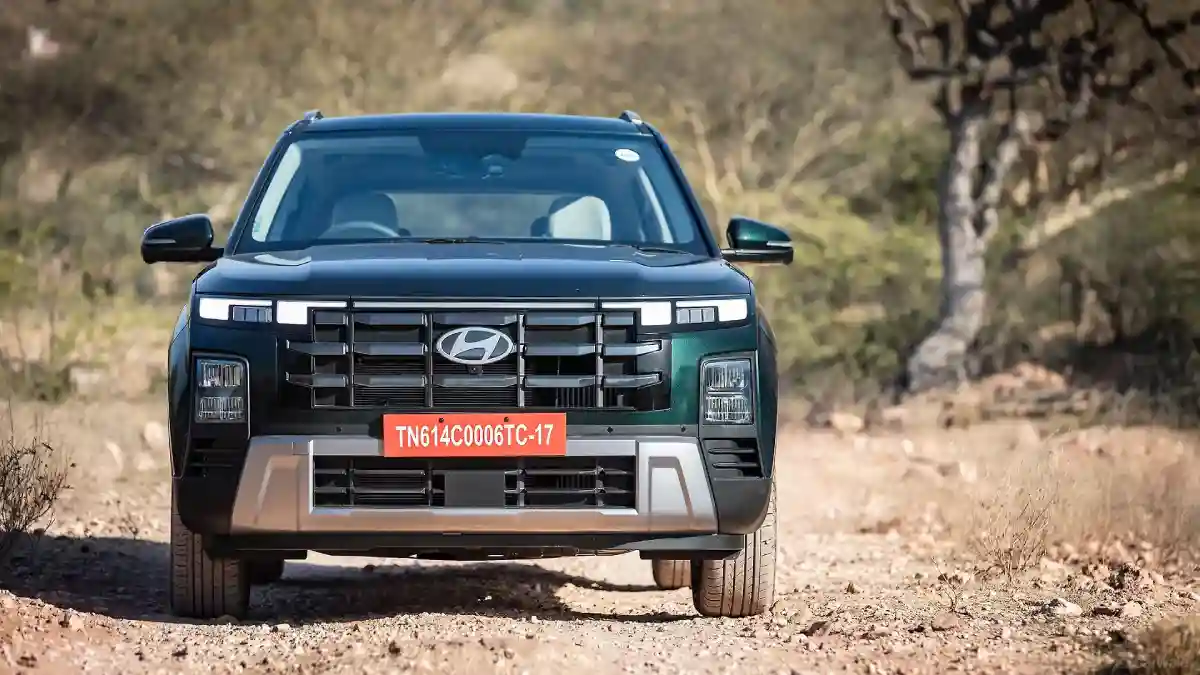
  • Hyundai Price Hike Announced for May 2026; All Models and Variants to be Affected

    Hyundai Price Hike Announced for May 2026; All Models and Variants to be Affected

    Following a wave of price adjustments by several Original Equipment Manufacturers (OEMs) this April, Hyundai Motor India has confirmed that it will also be increasing prices across its entire vehicle lineup. The new price structure is scheduled to take effect from May 2026.

    The company has stated that the hike will be capped at one per cent, though the exact quantum will fluctuate depending on the specific model, fuel type, and variant selected by the customer.

    Rising Costs Dictate Market Shift

    Hyundai has attributed this strategic move to persistent cost escalations that have impacted the manufacturing sector. While the brand remained steady through the initial April price hikes seen elsewhere in the industry, the cumulative pressure of rising operational and input expenses has finally necessitated a revision.

    Impact on New Launches and Popular Models

    The announcement has sparked curiosity regarding how this will affect Hyundai’s most recent market entries. It remains unclear if the hike will immediately apply to the newly debuted 2026 Verna, the 2026 Exter, or special editions like the Creta Summer Edition and the Grand i10 Nios Vibe Edition.

    Notably, the Hyundai Venue—a heavyweight in the sub-compact SUV segment—is under particular scrutiny. The model has already seen price increases in both January and March of this year. If the Venue is included in this upcoming May revision, it would mark the third price jump for the SUV within the first five months of the 2026 calendar year.

    Key Takeaways for Buyers:

    • Effective Date: May 1, 2026.
    • Price Increase: Up to 1% across the range.
    • Reason: Increased input and manufacturing costs.
    • Models Affected: All models, including SUVs, sedans, and hatchbacks.

    Prospective buyers looking to beat the hike may find the remaining weeks of April the ideal window to finalize their purchases before the new rates are implemented nationwide.

  • BYD Seal 08 EV Regulatory Filings Reveal 684 HP Output and Next-Gen Blade Battery Integration

    BYD Seal 08 EV Regulatory Filings Reveal 684 HP Output and Next-Gen Blade Battery Integration

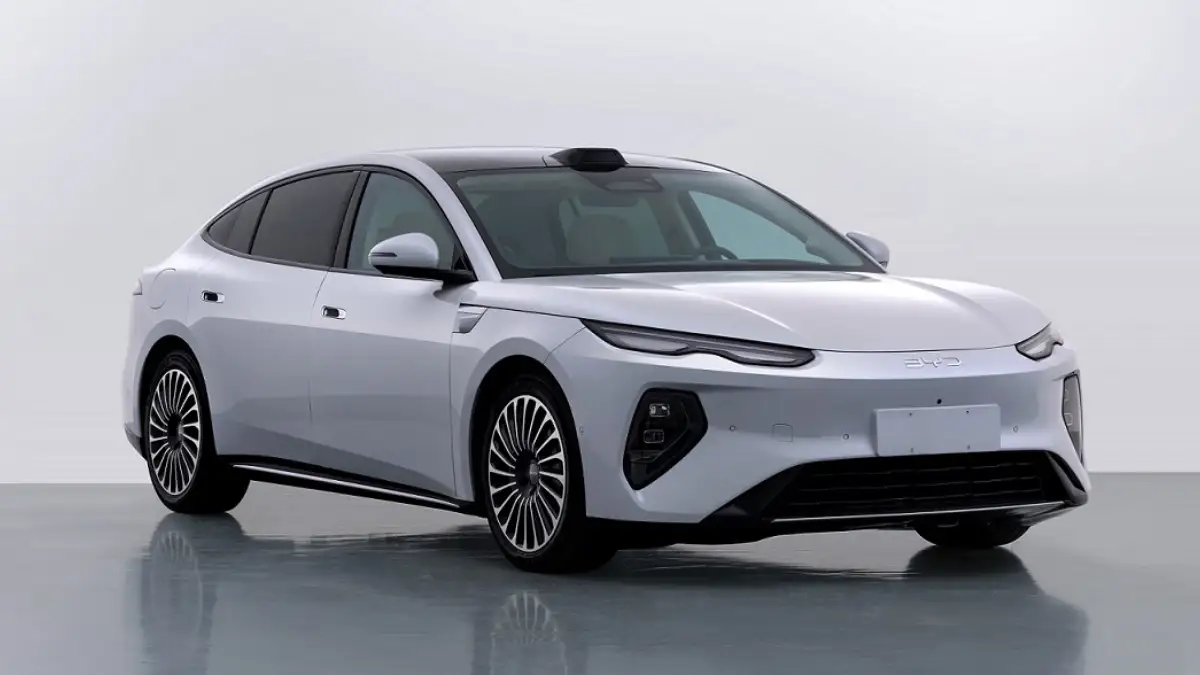
    BYD’s upcoming flagship electric sedan, the Seal 08, has moved a significant step closer to its commercial debut. The vehicle was recently featured in official regulatory filings from China’s Ministry of Industry and Information Technology (MIIT), providing a comprehensive look at the technical specifications and performance metrics of the high-performance EV ahead of its anticipated Q2 2026 launch.

    High-Performance Powertrain Configurations

    According to the MIIT catalog, the Seal 08 will offer a diverse range of powertrain options to cater to different performance requirements. The pinnacle of the lineup is a dual-motor, all-wheel-drive variant that combines a 190kW (255hp) front motor with a 320kW (429hp) rear motor. This configuration produces a staggering total system output of 510kW, equivalent to 684hp.

    For those seeking a more traditional setup, BYD has also declared two single-motor, rear-wheel-drive versions. These models will offer outputs of either 255kW (342hp) or 320kW (429hp), ensuring that even the entry-level variants maintain a competitive edge in the luxury EV segment.

    Dimensions and Engineering Footprint

    The Seal 08 is a substantial addition to BYD’s “Ocean” series, boasting a length of 5150mm, a width of 1999mm, and a height of 1505mm. The generous 3030mm wheelbase suggests a focus on interior cabin space and stability. Despite its size and a curb weight of 2040kg, the sedan is engineered for speed, with a documented top velocity of 240km/h. The vehicle will sit on high-performance 245/45R19 tires as standard.

    The energy heart of the Seal 08 is its Lithium Iron Phosphate (LFP) battery system. The filings confirm that while cells are provided by Hefei BYD Industrial, the final battery pack assembly is handled by Xiangyang FinDreams Battery Co., Ltd.

    Blade Battery 2.0 and Megawatt Charging

    The Seal 08 serves as the primary showcase for BYD’s Blade Battery 2.0 technology, which was first highlighted during a dedicated event on March 5. Built on a sophisticated 800V high-voltage architecture, the flagship is expected to shatter range anxiety with a projected range exceeding 1000km on a single charge.

    Furthermore, the vehicle introduces “megawatt-level” flash charging capabilities. This cutting-edge system is reportedly able to add 400km of driving range in just five minutes, positioning the Seal 08 as one of the fastest-charging vehicles on the global market.

    Advanced Intelligence and Chassis Control

    To manage its substantial power, BYD has equipped the sedan with the DiSus-A intelligent body control system and rear-wheel steering to improve maneuverability in urban environments. Safety and automation are also front and center; a roof-mounted LiDAR unit powers the “God’s Eye B” (DiPilot 300) intelligent driving suite, offering advanced semi-autonomous capabilities.

    The Seal 08 forms half of the “Ocean 8 Series Dual Flagship” strategy. While the sedan is now fully detailed in regulatory documents, its counterpart—the Sealion 08 SUV—remains largely under wraps, having only been seen in camouflaged testing units since the duo’s initial announcement in December 2025.

    Source

  • Tata Motors Sales March 2026: SUV Portfolio Drives 28% YoY Growth; Punch and Nexon Remain Unstoppable

    Tata Motors Sales March 2026: SUV Portfolio Drives 28% YoY Growth; Punch and Nexon Remain Unstoppable

    MUMBAI, India: Tata Motors has concluded the fiscal year on a high note, reporting a robust performance in its passenger vehicle segment for March 2026. The homegrown automaker dispatched 66,192 units last month, marking a significant 28.24% year-on-year (YoY) growth compared to the 51,616 units sold in March 2025.

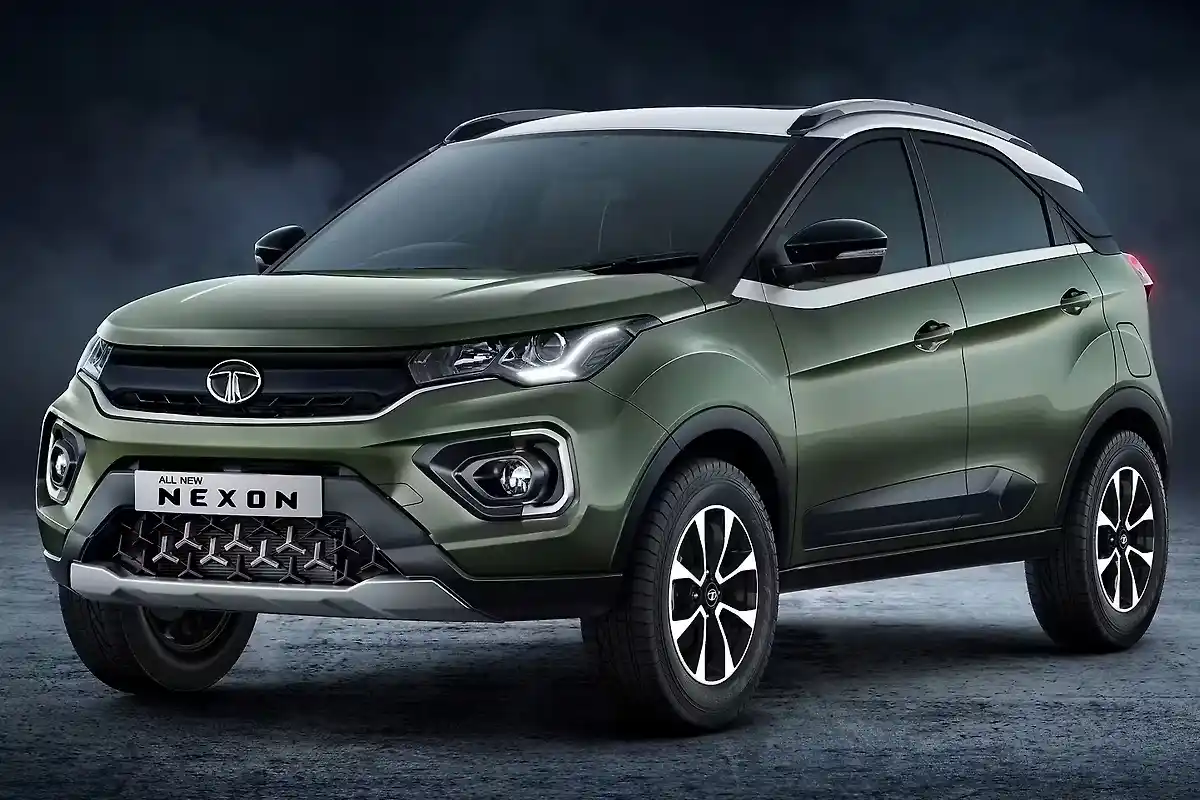
    The upward trajectory was not limited to yearly comparisons; Tata also witnessed a healthy 6.20% month-on-month (MoM) increase over February 2026’s 62,329 units. This growth was primarily fueled by the brand’s “New Forever” SUV range, with the Punch and Nexon continuing to act as the primary engines of volume.

    Table 1: Tata Motors Passenger Vehicle Sales Breakup (YoY Analysis)

    No.Tata ModelMar-26 SalesMar-25 SalesDifference (Units)Growth % YoY% Share Mar-26
    1Punch / EV20,97717,714+3,26318.42%31.69%
    2Nexon / EV19,81016,366+3,44421.04%29.93%
    3Sierra9,0030+9,00313.60%
    4Tiago / EV7,1197,946-827-10.41%10.76%
    5Harrier / EV2,8261,265+1,561123.40%4.27%
    6Altroz2,3441,658+68641.38%3.54%
    7Curvv / EV1,6023,785-2,183-57.68%2.42%
    8Safari1,5301,415+1158.13%2.31%
    9Tigor / EV9811,467-486-33.13%1.48%
    Total PV Sales66,19251,616+14,57628.24%100.00%

    Punch and Nexon: The Powerhouse Duo

    As highlighted in Table 1, the Tata Punch (including EV) maintained its crown as the brand’s top performer. With 20,977 units sold, the micro-SUV recorded an 18.42% YoY jump. Following closely was the Nexon (including EV), which secured the second spot with 19,810 units and a 21.04% YoY increase. Together, these two models accounted for over 61.6% of Tata’s total sales for the month, demonstrating that the appetite for these high-riding compacts remains insatiable.

    Sierra Gains Momentum; Harrier Sales Double

    The newly introduced Tata Sierra is quickly carving out its own space in the portfolio. It clocked 9,003 units in March 2026, already capturing a significant 13.60% market share within the Tata lineup. Its inclusion provides Tata with a strong mid-tier volume contributor.

    In the premium SUV space, the Harrier (including EV) reported a staggering 123.40% YoY growth, with sales rising to 2,826 units from 1,265 units a year ago. Similarly, the Safari posted a steady 8.13% YoY growth with 1,530 units.

    Mixed Bag for Hatchbacks and Sedans; Curvv Normalizes

    While SUVs flourished, traditional segments showed varied results:

    • Altroz: The premium hatchback performed well, with 2,344 units reflecting a 41.38% YoY increase.
    • Tiago (including EV): Faced a 10.41% YoY decline to 7,119 units, though it remains a key volume driver below the SUVs.
    • Tigor (including EV): The compact sedan struggled, dropping 33.13% YoY to just 981 units.
    • Curvv (including EV): After strong initial momentum, the Curvv appears to be undergoing demand normalization. It recorded 1,602 units in March, a sharp 57.68% YoY drop.

    Table 2: Tata Motors Passenger Vehicle Sales (Month-on-Month Trend Analysis)

    Sorting this data (excluding Sierra, which had zero sales in the previous March) reveals the recent momentum changes across models.

    No.Tata ModelMar-26 SalesFeb-26 SalesDifference (Units)Growth % MoM% Share Feb-26
    1Punch / EV20,97718,748+2,22911.89%30.08%
    2Nexon / EV19,81019,430+3801.96%31.17%
    3Sierra9,0037,100+1,90326.80%11.39%
    4Tiago / EV7,1197,040+791.12%11.29%
    5Harrier / EV2,8263,096-270-8.72%4.97%
    6Altroz2,3442,063+28113.62%3.31%
    7Curvv / EV1,6021,755-153-8.72%2.82%
    8Safari1,5301,650-120-7.27%2.65%
    8Tigor / EV9811,447-466-32.20%2.32%
    Total PV Sales66,19262,329+3,8636.20%100.00%

    Note: Table 2 has duplicate number 8 (Safari & Tigor / EV), sorted by MoM decline magnitude.

    Conclusion

    Tata Motors’ March 2026 sales breakup underscores the company’s successful pivot toward an SUV-centric strategy. Table 2 clearly highlights that despite an overall positive trend, almost half the lineup (Harrier, Curvv, Safari, and Tigor) experienced negative month-on-month growth. However, the sustained performance of the Punch, Nexon, and the immediate traction gained by the Sierra ensure that Tata remains a dominant force in the Indian PV market, even as its traditional segments face cooling demand.

    Source

  • Tata Safari EV India Launch Confirmed for Late 2026: A New Benchmark with 600 km Range and AWD Capabilities

    Tata Safari EV India Launch Confirmed for Late 2026: A New Benchmark with 600 km Range and AWD Capabilities

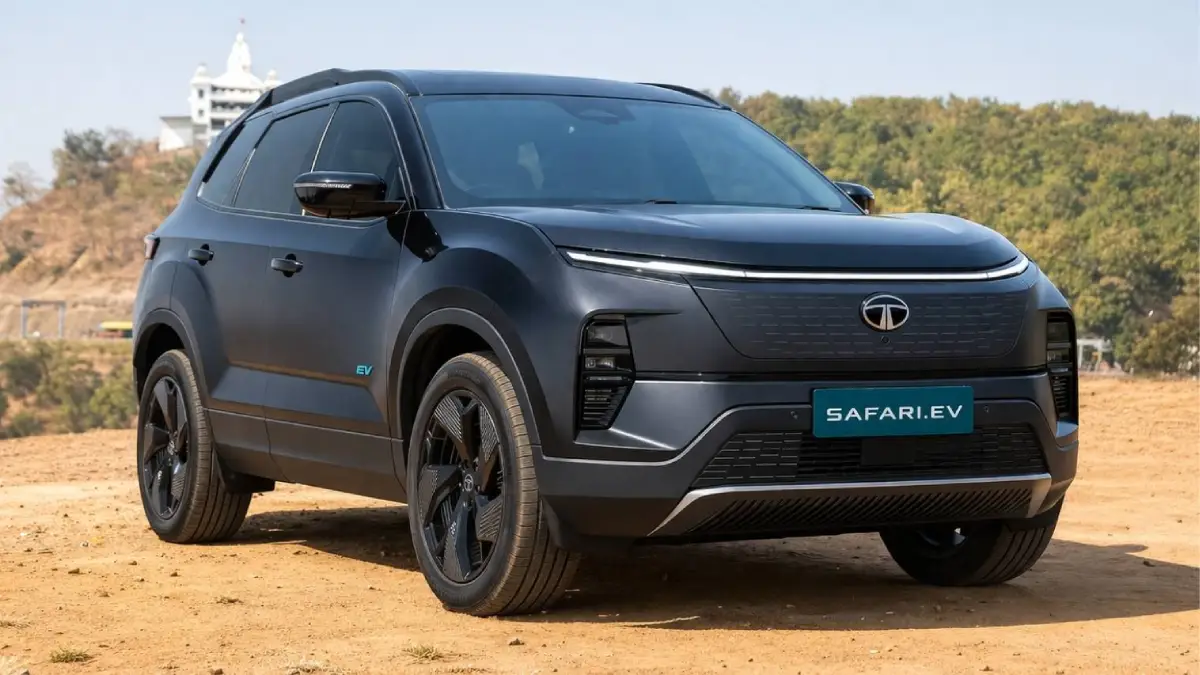
    Tata Safari EV To Be Launched: Tata Motors is set to electrify its flagship SUV experience as it prepares for the highly anticipated launch of the Safari EV in the fourth quarter of 2026. Following the scheduled release of the Sierra EV this summer, the Safari EV will complete the brand’s transition, ensuring every SUV in its portfolio offers a green powertrain option.

    Codenamed ‘Tata Tayrona’, this three-row electric SUV is not just a battery-swapped version of its diesel counterpart but a significant engineering leap, utilizing the advanced acti.ev+ (second-generation) architecture.

    Performance: AWD and the Power of Dual Motors

    The most striking highlight of the Tata Safari EV launch is the shift from a Front-Wheel Drive (FWD) layout to a more dynamic Rear-Wheel Drive (RWD) and All-Wheel Drive (AWD) configuration.

    • Standard RWD Variant: Expected to feature a Schaeffler-made permanent magnet synchronous motor on the rear axle, producing 175 kW (235 hp) and 304 Nm of torque.
    • AWD Variant: This dual-motor powerhouse adds a Tata AutoComp-sourced motor to the front, bringing the total output to a staggering 291 kW (390 hp) and up to 504 Nm of torque (with boost).
    • Speed: Preliminary data suggests the Safari EV AWD could sprint from 0-100 km/h in less than 7 seconds, making it one of the quickest seven-seaters in the country.

    Battery, Range, and Charging Tech

    Tata Motors is likely to offer two Lithium Iron Phosphate (LFP) battery options to cater to different range requirements:

    1. 65 kWh Battery: Aimed at the RWD variant, offering a practical range of approximately 500 km.
    2. 75 kWh Battery: Expected to be the mainstay for the AWD model, pushing the range to an impressive 600 km on a single charge.

    The SUV will support high-speed DC charging (up to 120 kW for the larger pack) and will come standard with Vehicle-to-Load (V2L) and Vehicle-to-Vehicle (V2V) bi-directional charging, allowing the car to act as a mobile power bank.

    Luxury Meets Cutting-Edge Tech

    The Safari EV will be available in both six-seat (captain seats) and seven-seat configurations. Beyond the cabin layout, the mechanical upgrades are substantial. The traditional torsion beam suspension is expected to be replaced by a multi-link rear suspension with Frequency Dependent Dampers (FDD), promising a ride quality that mirrors global luxury standards.

    On the tech front, the Safari EV is rumored to debut several “segment-first” features:

    • Transparent Chassis View: For easier navigation through tight spots.
    • Summon Mode & Auto Park Assist (APA): Allowing the vehicle to park itself autonomously.
    • DrivePay: An integrated UPI-based system for seamless charging and FasTag payments directly from the infotainment screen.

    Market Competition

    Set to rival the Mahindra XEV 9S, which entered the market in January, the Safari EV represents Tata’s second model adapted from the prestigious JLR D8 platform. With its sophisticated acti.ev+ bones and a suite of high-tech features, the Safari EV is positioned to be a formidable player in the premium electric SUV space when it hits showrooms in late 2026.

  • Chery’s Exeed EX7 Set for April 17 Launch: A Global First for ‘Aviation-Grade’ Digital Braking

    Chery’s Exeed EX7 Set for April 17 Launch: A Global First for ‘Aviation-Grade’ Digital Braking

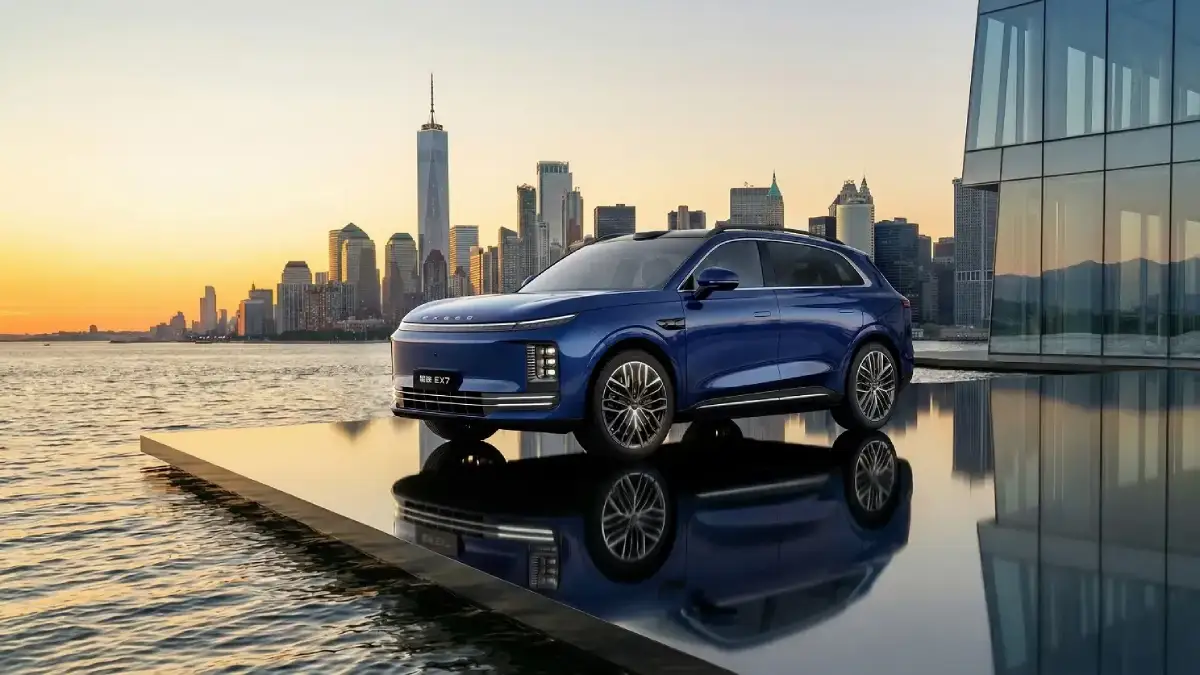
    WUHU, China – Chery’s high-end subsidiary, Exeed, is poised to disrupt the global automotive landscape on April 17, 2026, with the official market launch of the EX7 SUV. The flagship model—an evolution of the Exlantix ET designed for international markets—arrives as the world’s first mass-produced passenger vehicle to feature a pure Electronic Mechanical Braking (EMB) system.

    The EX7, which opened for blind pre-orders on March 18, represents a leap toward “dry” automotive architecture by eliminating traditional hydraulic fluids and hoses entirely.

    The Death of Hydraulics: Aviation Tech for the Road

    The defining feature of the EX7 is its aerospace-inspired EMB system. Developed over three years, this technology replaces the century-old hydraulic master cylinder and oil lines with high-speed digital actuators.

    According to Chery’s Executive Vice President, Li Xueyong, the system solves several critical engineering hurdles:

    • Response Time: The EMB system reacts in just 90 milliseconds, nearly three times faster than the 280-millisecond average of traditional hydraulic setups.
    • Safety: The millisecond-level precision significantly shortens emergency stopping distances—recorded at an impressive 33 meters from 100 km/h.
    • Intelligent Nerves: When paired with the Flying Fish Chassis 3.0, the braking system acts as a digital nervous system, offering superior stability during high-speed maneuvers and 15% better energy recovery through regenerative braking.

    Powertrain Diversity and Range

    Chery is catering to both pure-electric enthusiasts and those with range anxiety by offering two distinct powertrain architectures:

    1. Pure Electric (BEV) Variant:

    • Battery: 97.682 kWh (CATL ternary lithium).
    • Performance: Dual-motor configuration (123 kW front / 230 kW rear) delivering 353 kW (473 hp).
    • Range: Between 682 km and 726 km (CLTC).
    • Charging: 800V high-voltage architecture allows a 30% to 80% charge in just 9 minutes.

    2. Range-Extender (EREV) Variant:

    • Engine: 1.5T high-efficiency generator.
    • Electric Range: Up to 203 km on battery power alone.
    • Total Combined Range: Exceeding 1,500 km, placing it among the leaders in long-distance travel.

    Minimalist Luxury and Spatial Design

    Standing at 4,988 mm long with a massive 3,000 mm wheelbase, the EX7 is positioned as a mid-to-large luxury five-seater. The exterior follows a “modern minimalist” aesthetic, featuring seamless full-width LED strips and a roof-mounted LiDAR sensor for advanced autonomous driving.

    Inside, the cabin is dominated by a 30-inch 6K integrated display that merges the driver’s console with a passenger entertainment hub. Premium amenities include:

    • Zero-Gravity Seats with massage, ventilation, and heating.
    • An intelligent Cooling & Heating Refrigerator (-18°C to 50°C).
    • A 23-speaker panoramic audio system with 2,880W output.

    Market Outlook

    With an estimated price range of 200,000 to 280,000 yuan ($29,000 – $40,000 USD), the Exeed EX7 is taking a direct shot at established competitors like the Li Auto L8 and Aito M8. By standardizing aerospace-grade braking and 800V charging, Chery isn’t just selling a luxury SUV; it’s signaling a fundamental shift in how future vehicles will think and stop.

  • China Surpasses Japan as Australia’s Top Vehicle Importer for the First Time Since 1998

    China Surpasses Japan as Australia’s Top Vehicle Importer for the First Time Since 1998

    SYDNEY – In a landmark development for the Australian automotive industry, China has officially overtaken Japan as the nation’s primary source of imported vehicles. This shift, recorded in February, marks the end of a multi-decade era of Japanese dominance and underscores a rapid transformation in consumer behavior across the continent.

    A Changing of the Guard

    Data released by the Federal Chamber of Automotive Industries (FCAI) reveals that February saw 22,300 Chinese-made vehicles arrive on Australian shores, securing a roughly 25% share of the total import market. For the first time since 1998, Japan fell to the second position with 21,600 units, followed closely by Thailand at 19,400 units.

    This transition highlights a pivotal moment in the Australian market, which has long relied on Japanese engineering for its reliability and familiarity. However, the rise of affordable technology and the global push toward electrification have cleared a path for Chinese manufacturers to take the lead.

    The Electric Catalyst

    The surge in Chinese imports is inextricably linked to Australia’s burgeoning appetite for Electric Vehicles (EVs) and Plug-in Hybrid Electric Vehicles (PHEVs). Leading the charge is BYD, which has seen its sales skyrocket by 160% in the first two months of this year alone, reaching 10,200 units.

    Other major players contributing to this momentum include:

    • Great Wall Motor (GWM): Dominating the SUV and pickup (ute) segments with a 23.4% sales increase in early 2025.
    • MG and Chery: Establishing themselves as household names through aggressive pricing and feature-rich models.

    Last year, EV sales in Australia topped 103,000 units, a sector where Chinese-manufactured cars currently hold a commanding presence.

    “Australian consumers are prioritizing competitive pricing and advanced tech features. The absence of a domestic manufacturing base makes the market highly susceptible to global trends, and right now, China is setting the pace.” — Industry Analyst

    Strategic Market Entry

    Since the departure of local automotive manufacturing, Australia has become a critical battleground for global brands. With no domestic tariffs and a high demand for versatile vehicles like SUVs, the environment is ripe for expansion.

    Since 2020, nine new Chinese brands have launched in Australia, bringing the total number of Chinese automakers in the country to over a dozen. This influx has provided consumers with a wider variety of “cost-effective alternatives” that were previously unavailable.

    Looking Ahead: 2030 Projections

    The momentum shows no signs of slowing down. Industry analysts suggest that if current pricing strategies and technological advancements continue, Chinese automakers could control more than 40% of the Australian new vehicle market by 2030.

    As infrastructure for electric vehicles continues to improve across the country, the gap between the traditional leaders and the new Chinese powerhouse is expected to widen even further.

    Source

  • BYD Overseas Sales Jump 65% in March 2026 as Global Demand Offsets Domestic Slowdown

    BYD Overseas Sales Jump 65% in March 2026 as Global Demand Offsets Domestic Slowdown

    BYD delivered a mixed performance in March 2026, with strong overseas growth helping offset continued weakness in its domestic market. While total new energy vehicle (NEV) sales declined compared to last year, a sharp increase in exports highlights the company’s growing global footprint amid rising fuel prices.

    In March, BYD sold 300,222 NEVs worldwide, reflecting a decline of over 20 percent year-on-year. This marks the seventh consecutive month of annual decline for the company. However, on a monthly basis, sales rebounded strongly by nearly 58 percent compared to February, which had been impacted by seasonal slowdowns such as the Lunar New Year.

    Passenger vehicles dominated the sales mix, contributing close to 296,000 units. The split between battery electric vehicles and plug-in hybrids remained nearly equal, showing sustained interest in both segments. BYD’s hybrid models, powered by its dual-mode technology, continue to attract buyers seeking flexibility and efficiency.

    Key Sales Highlights:

    • Total NEV sales: 300,222 units
    • Year-on-year decline: Over 20 percent
    • Month-on-month growth: Around 58 percent
    • Passenger vehicles: 295,693 units
    • BEVs: 147,601 units
    • PHEVs: 148,092 units

    The biggest highlight came from overseas markets, where BYD recorded 120,083 units in sales. This represents a 65 percent increase compared to the previous year and reflects growing acceptance of EVs globally.

    The surge in exports coincided with rising fuel prices across several regions, driven by global supply disruptions. Markets such as Australia, Japan, South Korea, and New Zealand witnessed increased demand for electric and hybrid vehicles, as consumers looked for cost-effective alternatives to petrol-powered cars.

    Overseas Growth Highlights:

    • Overseas sales: 120,083 units
    • Year-on-year growth: 65 percent
    • Strong demand in Asia-Pacific markets
    • Increased customer interest due to high fuel prices

    Despite strong international performance, BYD continues to face challenges in China. The domestic EV market is currently experiencing intense competition and aggressive pricing strategies, which are impacting both market share and profitability.

    Rival companies such as Xiaomi, Nio, and Geely have strengthened their presence with competitive offerings. As a result, BYD’s share in China’s EV market has declined significantly over the past year.

    Financially, the pressure is also visible. The company reported slower revenue growth in 2025, along with a decline in net profit. Margins have tightened due to price competition and reduced government incentives, adding further strain on its domestic operations.

    In the first quarter of 2026, BYD delivered more than 700,000 NEVs globally, a notable drop compared to last year. However, overseas sales crossed 320,000 units during the same period, underlining the importance of international markets in sustaining overall volumes.

    Looking ahead, BYD is focusing heavily on global expansion. The company has increased its overseas sales target for 2026 to 1.5 million units and is investing more in research and development to strengthen its product lineup.

    While challenges remain in the domestic market, BYD’s strong overseas growth indicates a shift in strategy. With rising fuel costs and increasing demand for clean mobility, the company’s global push could play a crucial role in shaping its future growth trajectory.

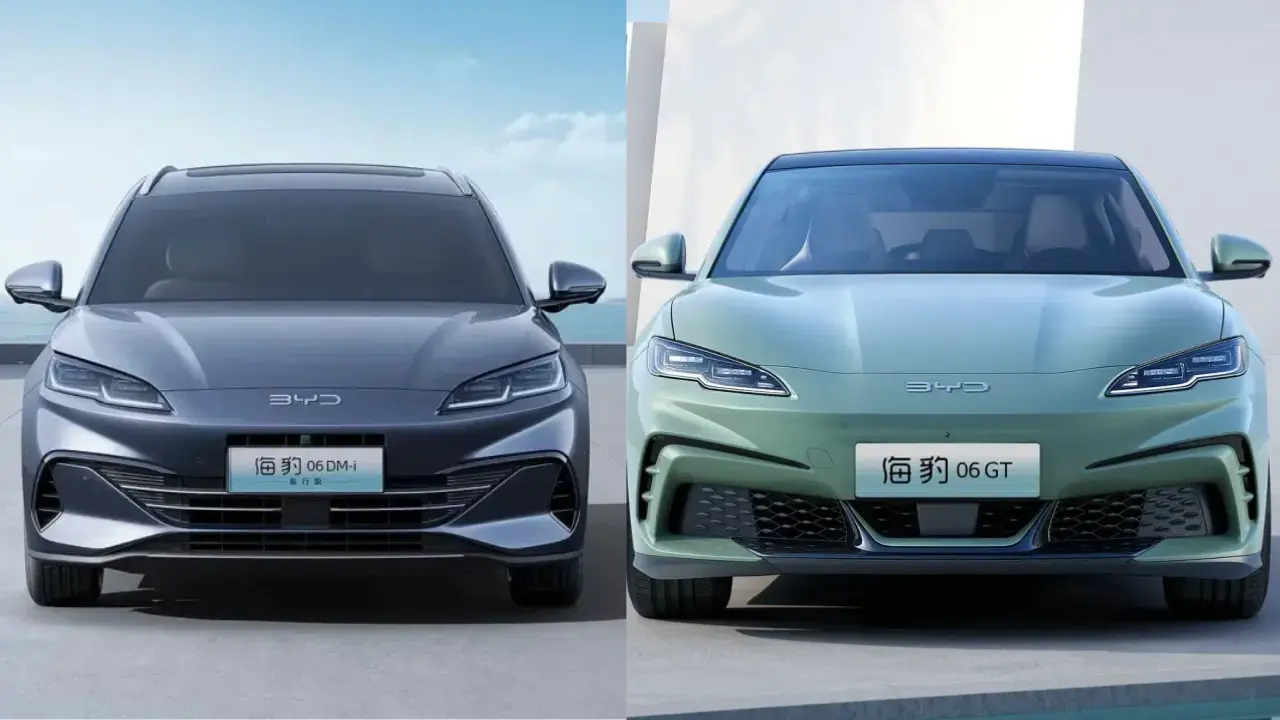
  • BYD Launches 2026 Seal 06 GT and DM-i Touring Wagon with Flash Charging, Prices Start at $16,200

    BYD Launches 2026 Seal 06 GT and DM-i Touring Wagon with Flash Charging, Prices Start at $16,200

    BYD has officially expanded its new energy portfolio with the launch of the 2026 Seal 06 GT and the Seal 06 DM-i Touring. These two models target different segments of buyers, with the Seal 06 GT focusing on pure electric performance, while the DM-i Touring offers a practical plug-in hybrid solution. With competitive pricing, improved driving range, and advanced technology, BYD is continuing its rapid growth in the EV and hybrid vehicle market.

    The Seal 06 GT is positioned as a sporty all-electric sedan and is available in four variants. Its pricing starts from 128,900 yuan and goes up to 169,900 yuan, making it a strong competitor in the mid-range EV category. Meanwhile, the Seal 06 DM-i Touring wagon starts at 111,900 yuan and offers a more affordable entry point for buyers looking for a hybrid vehicle with extended practicality.

    Key Highlights of 2026 Seal 06 GT (Electric Model):

    • Available in four variants: 520, 520 Plus, 620 Plus, and 620 Max
    • Price range: 128,900 – 169,900 yuan (approx. $18,700 – $24,600)
    • Equipped with second-generation Blade Battery
    • Supports flash charging technology for faster charging
    • Offers up to 620 km CLTC driving range
    • Features advanced “God’s Eye” intelligent driving system (in higher trims)
    BYD Seal 06 GT
    BYD Seal 06 GT

    The exterior design of the Seal 06 GT remains largely unchanged but still looks modern and aggressive. Inspired by BYD’s Ocean design language, it features sleek headlights, a sculpted hood, and a sporty front bumper. New color options such as Aurora Purple and Portia Rose Red add a fresh appeal for younger buyers.

    Inside the cabin, the car offers a premium and tech-focused experience. It includes a large 15.6-inch touchscreen infotainment system, a 10.25-inch digital instrument cluster, and a redesigned center console. The addition of a column-mounted gear selector improves space utilization and enhances driving comfort.

    In terms of performance, the Seal 06 GT delivers strong numbers. The base variants come with a 200 kW electric motor and a 57.54 kWh battery pack, offering a range of 520 km. The higher variants feature a larger 69.07 kWh battery, extending the range to 620 km, making it suitable for long-distance travel.

    Key Highlights of Seal 06 DM-i Touring (Hybrid Wagon):

    • Available in four variants: 200 Comfort, 200 Smart, 200 Premium, 300 Flagship
    • Price range: 111,900 – 139,900 yuan (approx. $16,200 – $20,300)
    • Equipped with 5th-generation DM hybrid technology
    • Combines 1.5L petrol engine with electric motor
    • Offers up to 300 km pure electric range
    • Wagon body style for improved cargo space and practicality
    BYD Seal 06 DM-i Touring
    BYD Seal 06 DM-i Touring

    The Seal 06 DM-i Touring stands out with its wagon design, which provides better luggage capacity and rear-seat headroom compared to a traditional sedan. Its aerodynamic shape, along with a gently sloping roofline, not only enhances efficiency but also gives it a distinctive look.

    The interior is feature-rich and varies depending on the variant. Lower trims come with a 12.8-inch display, while higher variants offer a larger 15.6-inch screen. Additional features include wireless charging, ventilated and heated seats, panoramic sunroof, and an electric tailgate. The inclusion of BYD’s DiLink 150 system ensures a connected and intelligent driving experience.

    Performance-wise, the DM-i Touring uses a hybrid setup that balances power and efficiency. The electric motor produces 175 kW and 270 Nm torque, while the petrol engine adds additional support. Buyers can choose between battery packs that deliver 200 km or 300 km of pure electric driving range.

    Charging Network Expansion:

    • Over 42,000 applications received for charging network initiative
    • More than 180 flash charging stations already operational
    • First batch of 1,000 high-speed charging stations targeted by May

    Alongside the vehicle launch, BYD also shared updates on its infrastructure plans. The company is rapidly expanding its fast-charging network, aiming to make EV ownership more convenient and practical for users.

    With the launch of the 2026 Seal 06 GT and Seal 06 DM-i Touring, BYD continues to strengthen its leadership in the new energy vehicle space. By offering both electric and hybrid options with advanced features, strong range figures, and attractive pricing, the company is well-positioned to capture a wider audience in the global automotive market.

    Source

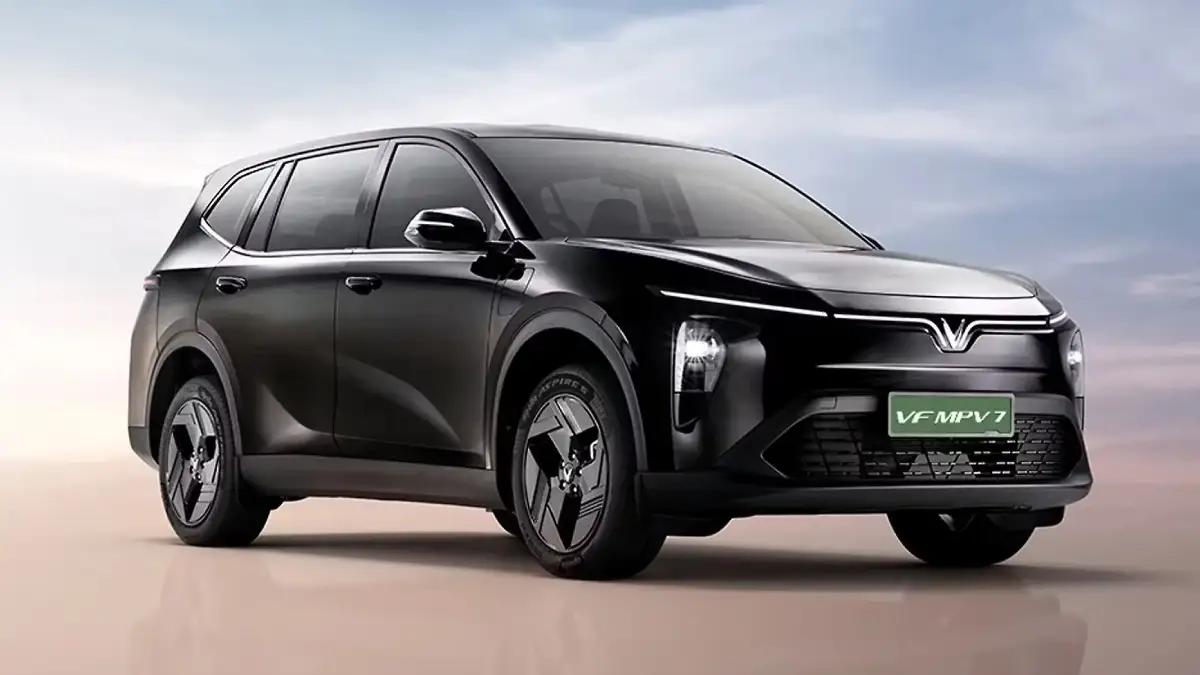
  • VinFast VF MPV 7 India Launch This Month, 500KM Range Electric MPV Pre-Bookings Open

    VinFast VF MPV 7 India Launch This Month, 500KM Range Electric MPV Pre-Bookings Open

    The Indian electric vehicle market is expanding rapidly, and Vietnamese automaker VinFast is gearing up to strengthen its presence with the upcoming VF MPV 7. The company has officially opened pre-bookings for this all-electric MPV, creating strong buzz among buyers looking for a spacious and long-range family EV.

    VinFast has started accepting bookings for the VF MPV 7 with a token amount of Rs 21,000, while the official price announcement is scheduled for April 15. The company has also confirmed that deliveries will begin soon after the launch, ensuring minimal waiting time for customers.

    The VF MPV 7 will be offered exclusively in a seven-seat configuration with a 2+3+2 layout. VinFast has ruled out introducing a six-seat version for now. Alongside this model, the brand will also introduce a commercial variant named Limo Green, aimed at fleet and business users.

    In terms of dimensions and road presence, the VF MPV 7 stands out as a large and practical MPV. It measures 4,740mm in length, 1,872mm in width, and 1,734mm in height, with a wheelbase of 2,840mm. These proportions translate into a spacious cabin with ample legroom for all three rows.

    Feature-wise, the electric MPV comes equipped with a 10.1-inch touchscreen infotainment system, leatherette upholstery, AC vents for all three rows, and 19-inch alloy wheels. It also gets all-LED lighting and second-row split seats with a tumble function, making access to the third row more convenient.

    On the safety front, the VF MPV 7 offers four airbags, electronic stability control, traction control, hill start assist, rear parking sensors, and a reverse camera. However, it misses out on some premium features such as a panoramic sunroof, 360-degree camera, and advanced driver assistance systems (ADAS), which are becoming common in this segment.

    Powering the VF MPV 7 is a 60.1kWh battery pack paired with a single electric motor driving the front wheels. The motor produces 201bhp and 280Nm of torque, enabling the MPV to accelerate from 0 to 100 km/h in under 10 seconds. VinFast claims a driving range of over 500km on a single charge, making it suitable for both city and long-distance travel.

    Charging capabilities are also practical, with support for DC fast charging that can charge the battery from 10% to 70% in around 30 minutes. The MPV offers three driving modes—Eco, Normal, and Sport—along with multiple regenerative braking levels for improved efficiency.

    In the Indian market, the VF MPV 7 will compete with popular MPVs like the Toyota Innova Crysta, although the latter is available with petrol and hybrid powertrains. With limited electric MPV options currently available, VinFast’s offering could carve out a unique position in the segment.

    Overall, the VinFast VF MPV 7 appears to be a promising electric MPV that combines practicality, decent range, and modern features. Its success in India will largely depend on competitive pricing, which will be revealed later this month.