Category: Car News

  • Tata Sierra EV Launch Date Revealed, Set for May with 600KM Range and Premium Features

    Tata Sierra EV Launch Date Revealed, Set for May with 600KM Range and Premium Features

    Tata Motors is preparing to expand its electric vehicle lineup with the much-anticipated Tata Sierra EV. The upcoming electric SUV has been making headlines for quite some time, and now reports suggest that it could finally debut on May 19, 2026. Positioned as a premium yet practical offering, the Sierra EV is expected to target buyers looking for a stylish, feature-rich, and long-range electric SUV in the mid-size segment.

    Competition in the Growing EV Segment

    The Tata Sierra EV will enter a competitive market where several strong players are already present. It is expected to rival models like Hyundai Creta Electric, Maruti e Vitara, Mahindra BE 6, and MG ZS EV. Tata Motors is likely to position the Sierra EV between the Curvv EV and Harrier EV, creating a balanced offering that combines premium features with competitive pricing. This strategic placement could help the company attract both urban and family buyers.

    Bold and Futuristic Design

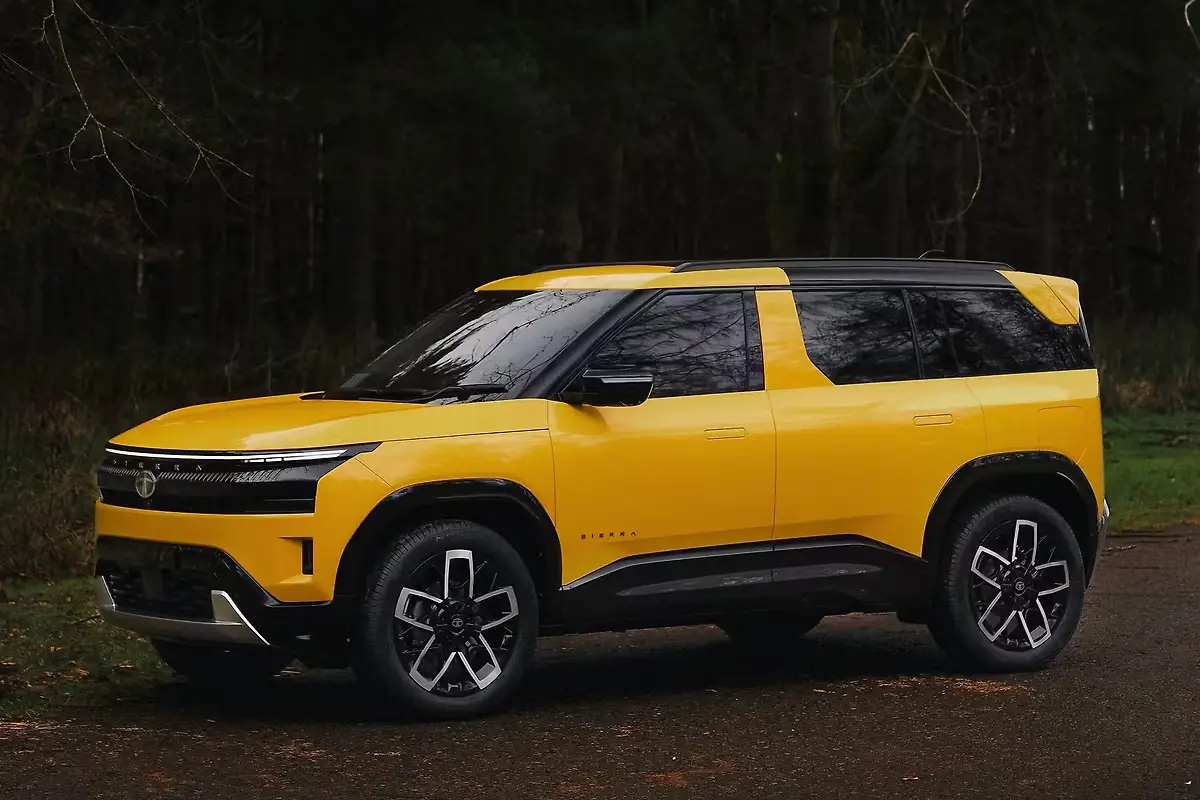
    In terms of design, the Sierra EV is expected to carry a modern and futuristic look. It will likely be built on Tata’s Acti.ev+ platform, which is specifically designed for electric vehicles. The SUV may feature a closed-off front grille, sleek LED daytime running lights, split headlamp setup, and flush door handles. The rear design is expected to include connected LED tail lamps, giving it a contemporary appeal. Overall, the design will aim to blend nostalgia with modern styling, as the Sierra nameplate has a legacy in India.

    Feature-Rich Premium Cabin

    Inside the cabin, the Tata Sierra EV is expected to offer a highly premium and tech-loaded experience. Reports suggest a triple-screen dashboard setup, which will enhance the futuristic feel of the interior. Other expected features include a panoramic sunroof, wireless Apple CarPlay and Android Auto, ambient lighting, ventilated seats, and dual-zone climate control. The SUV may also come equipped with a 12-speaker JBL audio system with Dolby Atmos support, delivering an immersive sound experience. Convenience features such as a powered tailgate, wireless charging, and connected car technology are also likely to be included.

    Battery, Range and Efficiency

    One of the key highlights of the Sierra EV will be its battery and range. The SUV is expected to offer battery pack options between 55kWh and 70kWh. On a full charge, it could deliver a driving range of up to 600 kilometers, making it suitable for both daily commuting and long-distance travel. Additionally, features like V2L (Vehicle to Load) and V2V (Vehicle to Vehicle) could further enhance its usability, allowing users to power external devices or share charge with other EVs.

    Performance and Drive Options

    The Tata Sierra EV is likely to be offered with both single-motor and dual-motor configurations. This means buyers could choose between rear-wheel drive (RWD) and all-wheel drive (AWD) options. The AWD setup, especially, could give the SUV an edge over many competitors that lack dual-motor configurations. Tata Motors may initially offer AWD in higher variants, depending on demand and market response.

    Safety and Expected Pricing

    On the safety front, the Sierra EV is expected to come equipped with six airbags, Level 2 Advanced Driver Assistance Systems (ADAS), electronic parking brake, and a 360-degree camera. These features will ensure a safer and more convenient driving experience. In terms of pricing, the Tata Sierra EV is likely to be priced between ₹15 lakh and ₹17 lakh (ex-showroom), making it an attractive option in the premium EV segment.

    With its combination of strong range, advanced features, modern design, and competitive pricing, the Tata Sierra EV has the potential to significantly impact the electric SUV market in India. Its official launch in May is now highly anticipated, and it could further strengthen Tata Motors’ leadership in the EV space.
  • Freelander Reborn: Chery and Jaguar Land Rover Unveil New Global NEV Brand with Concept97 SUV

    Freelander Reborn: Chery and Jaguar Land Rover Unveil New Global NEV Brand with Concept97 SUV

    In a major development in the electric vehicle space, Chery and Jaguar Land Rover have jointly unveiled Freelander as a new global new energy vehicle (NEV) brand. This marks the revival of the iconic Freelander name, now transformed into an independent luxury technology-focused brand. The announcement highlights a new cooperation model that blends traditional luxury automotive expertise with modern NEV innovation.

    A New Independent Global Brand

    Freelander officially became an independent brand in June 2024 and will operate separately from Jaguar Land Rover’s existing lineup, which includes Range Rover, Defender, Discovery, and Jaguar. It will also remain distinct from Chery’s current product portfolio.

    The brand has established its global headquarters in Shanghai, supported by a strong international presence. This includes the UK-based Gaydon Design Centre, a Shanghai Design Centre, a Suzhou Research Institute, and an Intelligent Manufacturing Base in Changshu. All Freelander vehicles will be jointly designed by Jaguar Land Rover’s UK team and local Chinese designers, ensuring a blend of global design language and local innovation.

    Production Plans and Global Expansion

    Freelander secured its NEV production qualification by the end of 2025, confirming its readiness for large-scale manufacturing. The first production model is expected to roll out from the Changshu facility by the end of 2026.

    Following its debut in China later this year, the brand plans an aggressive global expansion strategy. New vehicles are expected to launch every six months, with a total of six models planned over the next five years.

    Advanced Platform and Technology Vision

    Freelander introduces a completely new platform designed to support a full range of SUV products. This flexible architecture will accommodate pure electric, plug-in hybrid, and range-extended powertrains. The brand will also debut an 800V high-voltage range-extended platform, highlighting its focus on cutting-edge EV technology.

    The first model will feature advanced innovations across multiple areas. In collaboration with Huawei, it will include the latest Qiankun intelligent driving system along with high-end driver-assistance hardware such as an 896-line dual-optical LiDAR system.

    Freelander is also introducing the world’s first i-ATS intelligent all-terrain system, combined with pre-emptive shock absorbers and three differential locks to adapt to various terrains.

    High-Performance Hardware and Battery Innovation

    The upcoming vehicles will be among the first globally to use the Qualcomm Snapdragon 8397 automotive-grade chip, offering enhanced processing power and performance.

    Battery technology is another key highlight. Developed with CATL, the new “Freevoy Range-Extended Hybrid Battery” will debut with the first model. It supports 6C supercharging with up to 360kW charging power. Designed specifically for off-road conditions, the battery features underbody protection, FD polymer coating for improved impact resistance, second-generation non-thermal propagation technology, and third-generation Cell-to-Pack (CTP) technology for improved safety and cooling.

    Concept97: Preview of the First Model

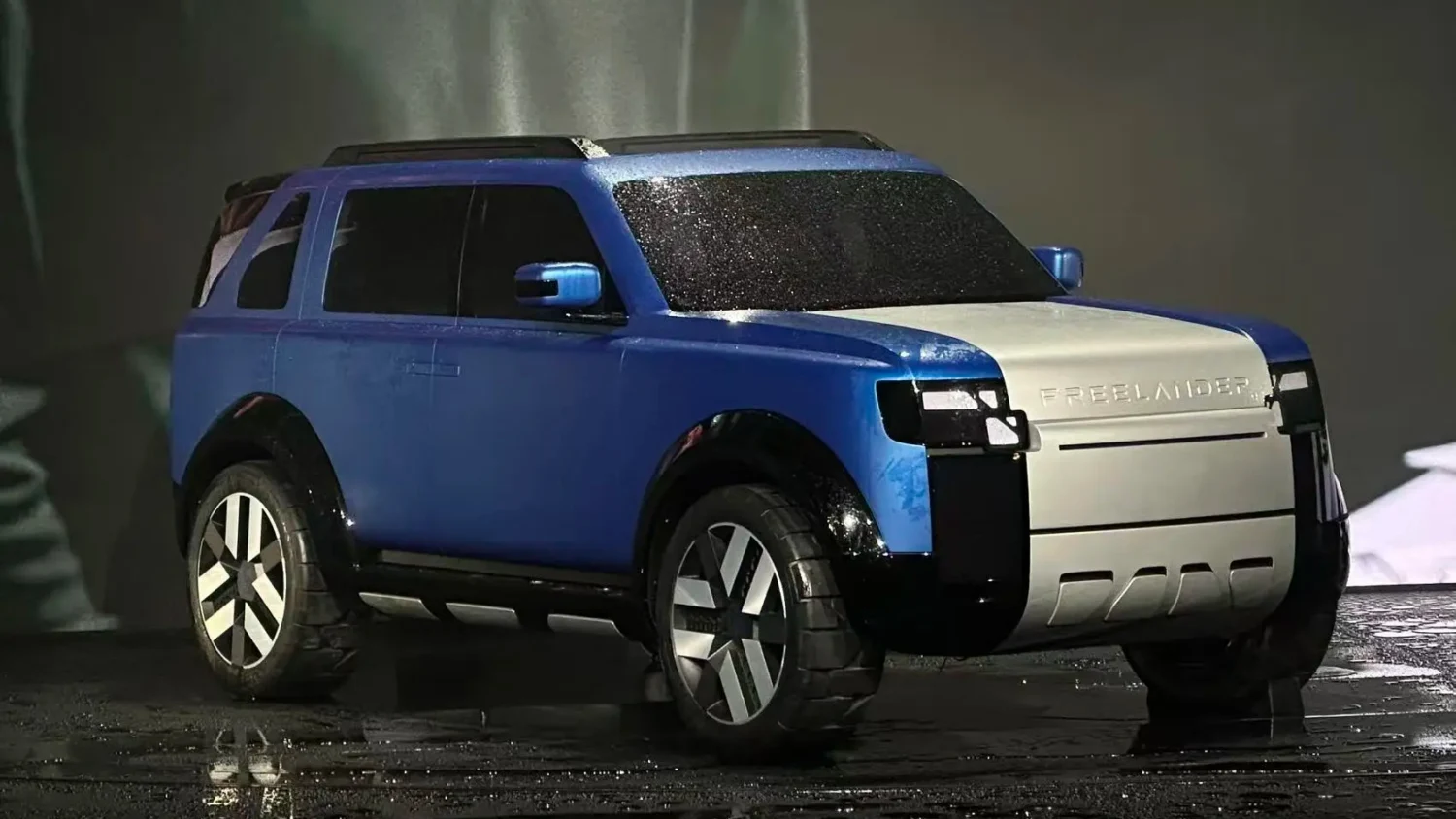
    The brand’s first concept vehicle, the Concept97, provides a glimpse into the future of Freelander. Built on Chery’s T1X platform, it is designed to support multiple SUV configurations with flexibility and scalability.

    Under the guidance of Jaguar Land Rover’s Chief Creative Officer Gerry McGovern, the Concept97 blends the original Freelander DNA with a more modern and dynamic design. It features a rugged, boxy silhouette, square headlamps, and prominent Freelander branding at the front and rear, drawing inspiration from the Defender design language.

    Positioned as a mid-to-large SUV, the Concept97 measures over 5,100mm in length with a wheelbase exceeding 3,000mm. It offers a 2+2+2 seating layout, including a second-row right seat with a zero-gravity mode for enhanced comfort.

    Interior and Features

    Inside, the Concept97 is equipped with the Qualcomm Snapdragon 8397 chip and features a dual-screen layout, including a floating central display and an additional remote screen.

    The cabin also includes a three-spoke steering wheel, an electronic column shifter, and dual wireless charging pads in the center console, reflecting a modern and tech-focused interior design.

    The Legacy of Freelander

    The Freelander name carries a strong legacy within the Land Rover family. Originally launched in 1997 as Land Rover’s first unibody SUV, it played a key role in shaping the compact luxury SUV segment. It was Europe’s best-selling SUV for five consecutive years.

    After evolving through multiple generations, including Freelander 2 and later being rebranded as Discovery Sport, the lineup was discontinued around 2014-2015.

    In June 2024, Jaguar Land Rover and Chery formalized a strategic partnership, allowing the use of the Freelander name for a new generation of electric vehicles. By December 2024, the Changshu factory had already committed a significant investment of 3 billion yuan for electrification upgrades.

    Conclusion

    The rebirth of Freelander as an independent NEV brand marks a significant shift in the global automotive landscape. With strong backing from Chery and Jaguar Land Rover, advanced technology, and a clear product roadmap, the brand is positioned to compete in the premium EV segment.

    The Concept97 serves as a promising preview of what’s to come, combining heritage, innovation, and modern design. As Freelander prepares for its first launch and global expansion, it could emerge as a key player in the evolving new energy vehicle market.

  • BYD Denza Z Supercar Naming Campaign Begins for Hardtop, Convertible and Track Versions

    BYD Denza Z Supercar Naming Campaign Begins for Hardtop, Convertible and Track Versions

    Chinese automaker BYD is taking a unique community-driven approach for its upcoming Denza Z supercar by inviting the public to help name its three distinct variants. The Denza sub-brand, known for its premium positioning, is building excitement ahead of the model’s launch by combining innovation with audience engagement. The Denza Z lineup will include a hardtop, a convertible, and a track-focused version, each tailored for different driving experiences and lifestyles.

    Public Naming Campaign Details

    Denza has officially opened submissions for naming the Denza Z variants, encouraging enthusiasts and fans to participate. Contributors are required to create suffix names that pair with “Denza Z” to form the final model designation.

    The submission window remains open until April 10, after which the company will shortlist 30 entries. These shortlisted names will then be presented for public voting on Chinese social platform Weibo. The campaign includes multiple rewards such as one grand prize, three popularity awards, and six creative awards, making it a highly interactive initiative.

    Multiple Naming Themes Proposed

    Denza has already showcased several naming directions to guide participants. One approach uses poetic Chinese-inspired suffixes such as “Ride the Wind” for the hardtop, “Bask in the Wind” for the convertible, and “Command the Wind” for the track variant.

    Another theme takes a more global route, suggesting English words like “FUN,” “FREE,” and “FLY” for the three versions respectively. These names reflect the character of each variant and its intended usage.

    A third proposal aligns with performance-oriented naming traditions often seen in the supercar segment. Options such as “Z-ONE,” “Z-RS,” and “S-719” highlight a sportier and more technical identity. However, it is important to note that all these names are only proposals and not final designations.

    Three Variants with Distinct Identities

    Hardtop Version Focuses on Balanced Performance

    The hardtop variant of the Denza Z is designed to deliver a balanced mix of everyday usability and high-performance capability. It emphasizes driving experience and integrates track-inspired technologies while remaining relatively accessible compared to the other versions. This makes it ideal for enthusiasts who want supercar performance without sacrificing practicality.

    Convertible Version Emphasizes Lifestyle Appeal

    The convertible variant introduces a soft-top design aimed at lifestyle-oriented buyers. It focuses on open-air driving pleasure and a more relaxed driving experience. This version is expected to appeal to those who value design, comfort, and emotional connection over outright track performance.

    Track-Focused Version Targets Extreme Performance

    The track-focused version stands out as the most extreme iteration in the lineup. Built with lightweight construction and enhanced aerodynamics, it is expected to deliver superior performance. This variant will likely have a more exclusive identity, targeting serious performance enthusiasts and collectors.

    Design and Development Background

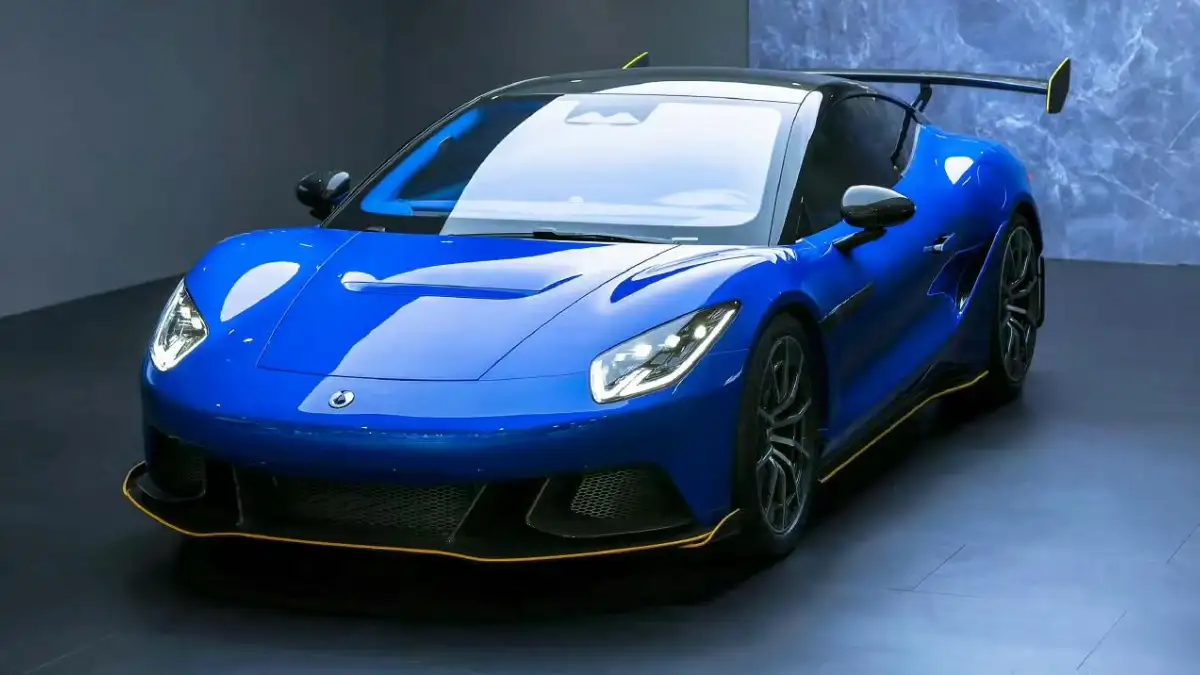
    The Denza Z was first introduced as a concept at the Shanghai Auto Show 2025, where it immediately captured attention with its bold styling. Designed by renowned automotive designer Wolfgang Egger, the car features sculpted rear fenders, a sleek coupe profile, and an aggressive stance.

    Production prototypes spotted in China reveal that the final model closely follows the concept design. Notable elements include a rounded front fascia, frameless windows, and distinctive dual-element taillights. However, the large rear spoiler seen on the concept appears to have been toned down or removed in the production-ready version.

    Advanced Technology and Performance Expectations

    The Denza Z is expected to incorporate BYD’s advanced DiSus-M suspension system, which uses sensor-based inputs to adjust body dynamics in just 10 milliseconds. This technology aims to enhance stability, handling, and overall ride quality, especially under high-performance conditions.

    In terms of performance, reports suggest that the supercar could produce over 1,000 horsepower. Testing at Germany’s Nürburgring further indicates Denza’s commitment to benchmarking the Z against global high-performance standards.

    Conclusion

    The Denza Z represents a bold step for BYD in the supercar segment, blending cutting-edge technology with community engagement through its naming campaign. With three clearly defined variants catering to different audiences, the model aims to establish a strong presence in the premium performance market. As the naming process unfolds and development progresses, the Denza Z is shaping up to be one of the most intriguing electric supercars to watch in the coming years.

  • Upcoming Hyundai Compact SUV India – New Bayon Features, Engine, Launch Timeline Revealed

    Upcoming Hyundai Compact SUV India – New Bayon Features, Engine, Launch Timeline Revealed

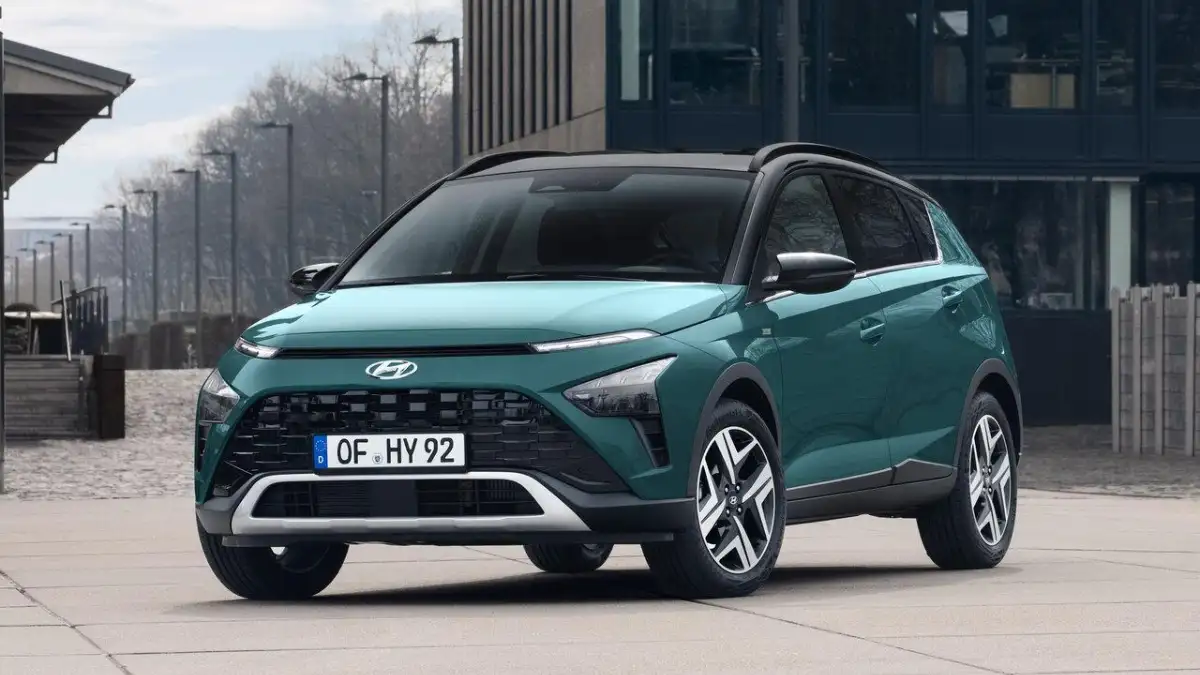
    The compact SUV segment in India continues to expand rapidly, driven by evolving customer preferences, improved affordability, and tax benefits introduced in recent years. Carmakers are aggressively strengthening their portfolios in this space, and Hyundai Motor Company is preparing to take things a step further. The brand is working on a brand-new compact SUV that will sit above the popular Hyundai Venue, targeting younger buyers who seek a more premium, sporty, and tech-loaded offering.

    New Model Likely Based on Hyundai Bayon

    Hyundai’s upcoming compact SUV for India is expected to be the second-generation version of the Hyundai Bayon. The first-generation Bayon was introduced globally in 2021, primarily catering to European markets, but it never made its way to India.

    Now, Hyundai appears ready to bring the updated version of this model to Indian shores. Internally codenamed ‘BC4i CUV,’ the new SUV is expected to serve as a more stylish and advanced alternative to the next-generation Venue. Its design is likely to reflect Hyundai’s latest global styling language, featuring sharper lines, bold lighting elements, and a more athletic stance.

    Platform and Manufacturing Details

    The upcoming compact SUV will share its platform with the fourth-generation Hyundai i20, which is already known for its strong build quality and refined driving dynamics. This shared architecture will allow Hyundai to maintain cost efficiency while delivering a modern driving experience.

    Production of the new SUV is expected to take place at Hyundai’s manufacturing facility in Sriperumbudur. Local production will help the company price the vehicle competitively while ensuring faster delivery timelines.

    Expected Launch Timeline

    Hyundai is likely to introduce this new compact SUV in India around the festive season, with a potential launch window near Diwali. This timing aligns with the brand’s strategy of capitalising on peak consumer demand in the country.

    Following the SUV’s launch, Hyundai is also expected to introduce the next-generation i20 hatchback, possibly in the second quarter of 2027.

    Engine Options and Performance

    Under the hood, the new compact SUV is expected to borrow powertrain options from the latest Venue. These may include

    • 1.0-litre turbocharged three-cylinder petrol engine producing around 118 hp and 172 Nm torque
    • A newly developed 1.2-litre turbocharged four-cylinder petrol engine

    There is currently no confirmation regarding a diesel engine option, which suggests Hyundai may focus entirely on petrol and turbocharged efficiency for this model.

    These engines are expected to offer a balance between performance and fuel efficiency, appealing to both urban drivers and highway users.

    Features and Technology

    Hyundai is likely to position this SUV as a feature-rich offering, with several segment-leading technologies. Expected highlights include

    • Dual 12.3-inch digital displays for infotainment and instrument cluster
    • All-LED lighting setup for a modern look
    • Front and rear disc brakes for improved safety
    • Electronic parking brake
    • Wireless smartphone charging
    • Four USB Type-C ports
    • Ventilated front seats with powered driver seat
    • Level 2 Advanced Driver Assistance Systems (ADAS)

    One of the biggest highlights could be a dual-pane panoramic sunroof, which would significantly differentiate it from the Venue and enhance its premium appeal.

    Sporty Design and N Line Variant

    Hyundai is expected to emphasize the sporty character of this SUV by offering larger 17-inch alloy wheels, especially in higher trims. Additionally, the company is likely to introduce an N Line variant alongside the standard model.

    The N Line version will focus on sportier styling elements, enhanced driving dynamics, and cosmetic upgrades, targeting enthusiasts who want a more performance-oriented compact SUV experience.

    Positioning in the Market

    With this upcoming model, Hyundai aims to create a new niche within the compact SUV segment. While the Venue will continue to cater to value-focused buyers, the new SUV will attract customers looking for a more refined, feature-packed, and premium alternative.

    Its combination of bold design, advanced technology, and turbocharged performance could make it a strong competitor in one of India’s most competitive car segments.

    Conclusion

    Hyundai’s upcoming compact SUV is shaping up to be a significant addition to its India lineup. By introducing the second-generation Bayon with modern styling, powerful turbo engines, and cutting-edge features, the company is clearly targeting the next generation of SUV buyers.

    If launched with competitive pricing and the promised features, this new model could quickly become one of the most desirable compact SUVs in India, further strengthening Hyundai’s position in the market.

  • MG Motor India Announces Price Hike from April 1 2026 Here Is What Buyers Need to Know

    MG Motor India Announces Price Hike from April 1 2026 Here Is What Buyers Need to Know

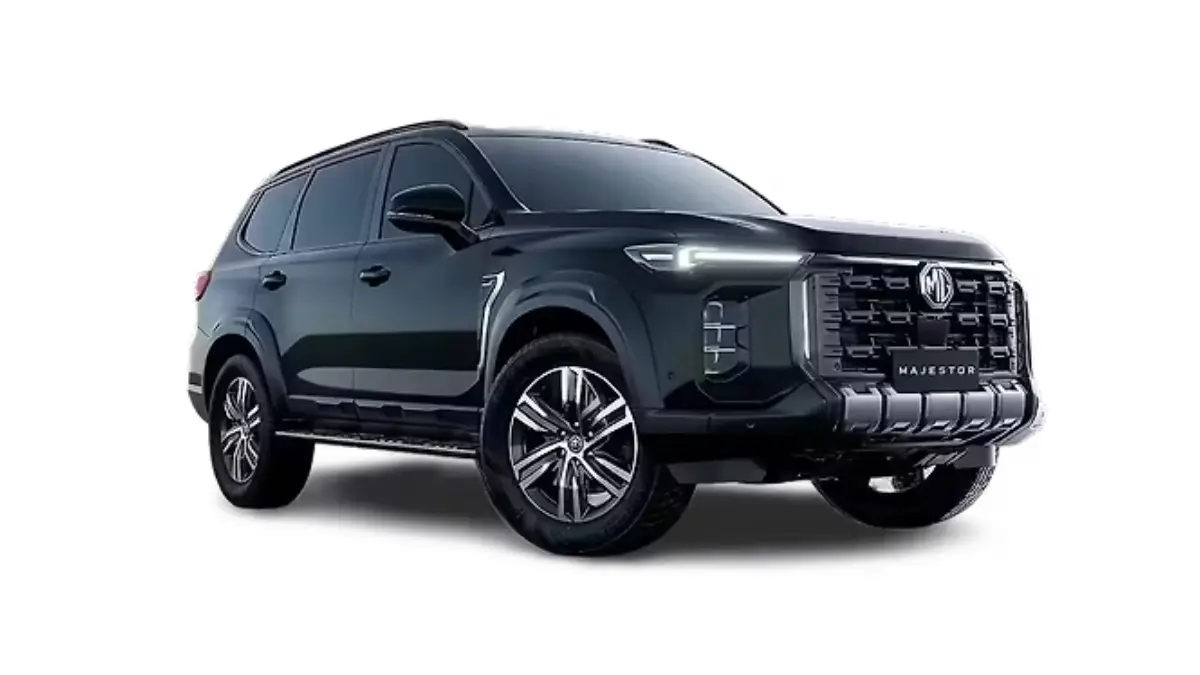
    MG Motor India has officially confirmed a price hike across its mainstream vehicle lineup, effective from April 1 2026. The move comes at a time when the brand is rapidly expanding its footprint in India’s electric and hybrid vehicle space. Known for pioneering the Battery-as-a-Service model in the country, MG continues to play a key role in driving EV adoption while also preparing for future hybrid offerings.

    MG Motor India Price Hike Details

    The company has announced a uniform price increase of up to 2 percent on its mainstream portfolio. This revision will apply to vehicles sold through standard MG dealerships and is aimed at offsetting rising input costs.

    Models impacted by this price hike include:

    • MG Windsor EV
    • MG ZS EV
    • MG Comet EV
    • MG Astor
    • MG Gloster

    However, premium MG Select models such as the MG Cyberster and MG M9 will remain unaffected by this revision.

    While the company has announced a general increase of 2 percent, exact model-wise pricing will only be revealed once the revised rates go live. Customers interested in booking can either check updated prices online or visit their nearest dealership after April 1.

    Reason Behind the Price Increase

    According to MG Motor India, the decision to increase prices is driven by continuously rising input and operational costs. Automakers across the industry have been facing similar challenges, including higher raw material prices and supply chain pressures.

    By implementing this modest price hike, MG aims to partially absorb these increased costs without passing the full burden onto customers. The company has kept the hike relatively limited to maintain competitiveness, especially in the fast-growing electric vehicle segment.

    Strong EV Portfolio Driving Growth

    MG Motor India has emerged as one of the leading electric vehicle manufacturers in the country. The MG Windsor EV has become one of the best-selling EVs, highlighting the brand’s strong acceptance among Indian buyers.

    The brand’s innovative Battery-as-a-Service model has also helped reduce the upfront cost of EV ownership, making electric mobility more accessible. This strategy has played a significant role in MG’s success and continues to attract new customers.

    Upcoming Launches and Future Strategy

    MG Motor India is preparing for an aggressive expansion in the coming years with multiple new launches planned across EV and hybrid segments.

    One of the key upcoming models is the IM6, which will be positioned as an entry-level offering under MG Select dealerships. It is expected to sit below the Cyberster and M9 in the premium lineup.

    Additionally, MG is working on a new plug-in hybrid SUV based on the Wuling Starlight 560. This model will feature a three-row seating layout and is expected to rival popular SUVs like the Mahindra XUV700 segment.

    Looking further ahead, MG plans to introduce a new C-segment SUV to compete with established players such as the Hyundai Creta, Kia Seltos, and Renault Duster. This upcoming model will be offered in both internal combustion engine and electric versions and is expected to replace the Astor and ZS EV by 2027.

    What This Means for Buyers

    For prospective buyers, the announcement means that purchasing an MG vehicle before April 1 2026 could result in savings. After the price revision, customers will need to pay slightly higher prices across most models.

    Despite the increase, MG Motor India remains focused on delivering value-driven products with advanced technology and electrification options. With several new models in the pipeline, the brand is set to strengthen its position in India’s evolving automotive landscape.

    Source

  • BYD’s 2026 Denza D9 Pre Sale Begins with Blade Battery 2.0 and Ultra Fast Charging

    BYD’s 2026 Denza D9 Pre Sale Begins with Blade Battery 2.0 and Ultra Fast Charging

    According to a report by CarNewsChina, BYD has officially opened pre-sales for the 2026 Denza D9, introducing significant upgrades in battery technology, charging speed, and in-car features. The premium MPV is available in both plug-in hybrid and pure electric versions, with deliveries expected to begin in April 2026.

    Price and Variants

    The 2026 Denza D9 is offered in six variants across PHEV and BEV configurations. Pre-sale prices range from 389,800 yuan to 489,800 yuan, making it a competitive offering in the premium MPV segment.

    Price and Variants Table

    Below is the complete pre-sale pricing table for the 2026 Denza D9 as reported by CarNewsChina:

    VariantPre-sale Price (Yuan)Pre-sale Price (USD)
    PHEV Flash Premium389,80051,500
    PHEV Flash Prestige429,80056,700
    PHEV Flash Flagship489,80064,700
    EV Flash Premium389,80051,500
    EV Flash Prestige429,80056,700
    EV Flash Flagship489,80064,700
    Source: CarNewsChina

    Both hybrid and electric models are available in Premium, Prestige, and Flagship trims, giving buyers flexibility based on performance and feature requirements. Pre-sale customers will also receive 18 months of complimentary flash charging, adding extra value to early bookings.

    Exterior Design and Dimensions

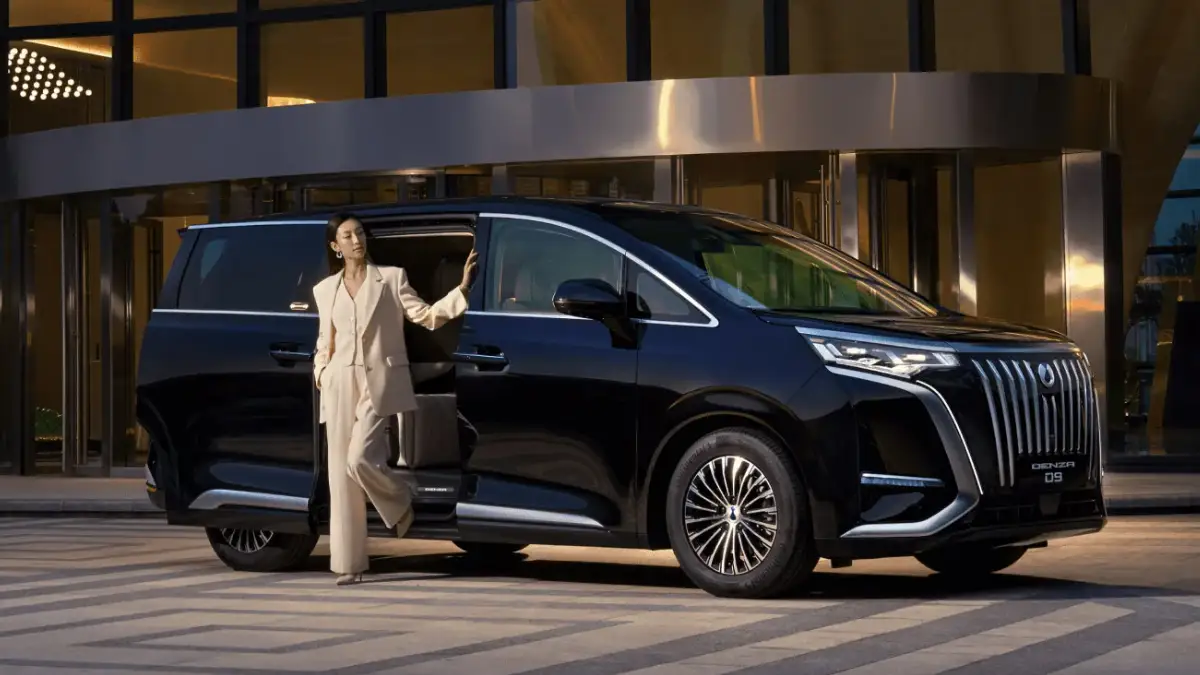
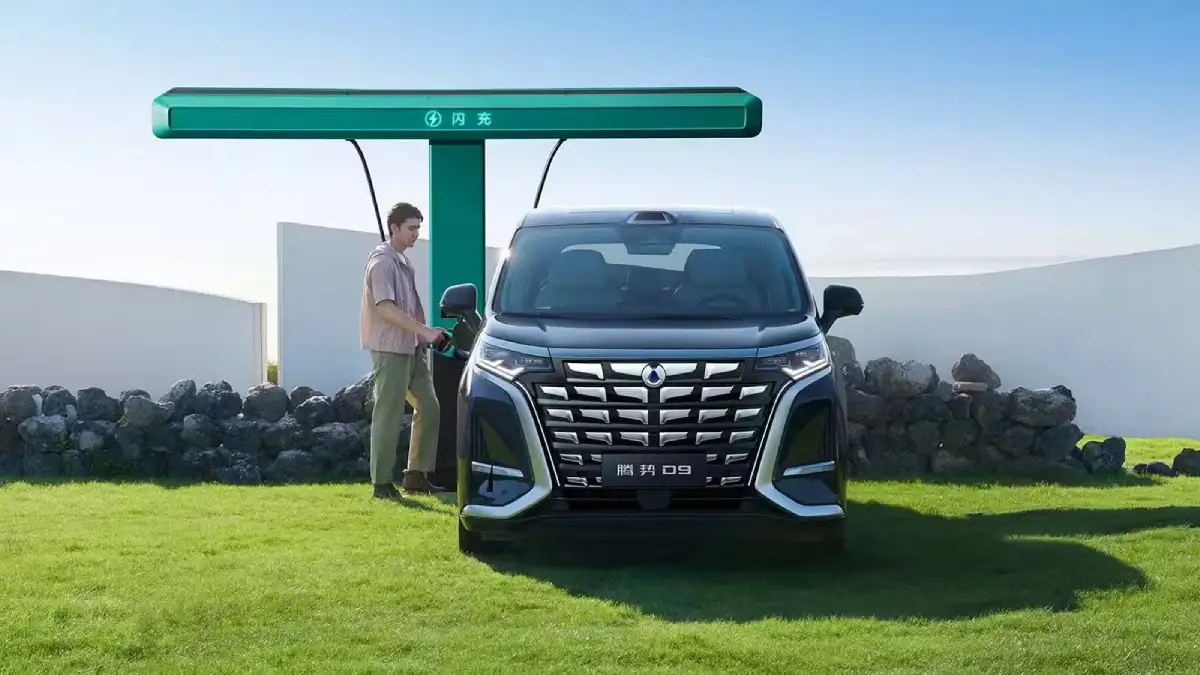
    The latest Denza D9 brings a refreshed exterior design with a redesigned front grille featuring enhanced chrome detailing for a more premium and layered appearance. The MPV retains its signature long and elegant silhouette with a dual tone body finish.

    At the rear, the vehicle stands out with full width arrow shaped LED taillights that create a strong visual identity. In terms of size, the D9 measures 5250 mm in length, 1960 mm in width, and 1900 mm in height, with a generous 3110 mm wheelbase, ensuring ample cabin space.

    Interior and Comfort Features

    Inside, the Denza D9 offers a highly luxurious and tech focused cabin. The T shaped dashboard layout is complemented by premium materials and multiple digital displays.

    Second row passengers benefit from aviation style seats with foldable tables, individual screens, and a roof mounted display for entertainment. Additional control panels integrated into the armrests enhance convenience, making the MPV suitable for both family and executive use. The three row seating layout ensures versatility for different travel needs.

    Advanced Driver Assistance System

    All variants of the 2026 Denza D9 come equipped with Denza’s God’s Eye 5.0 intelligent driving assistance system. This advanced suite enhances safety and driving convenience across various conditions.

    BYD has also confirmed that older Denza D9 models will receive an over the air upgrade to this system, ensuring consistency and long term software support across the lineup.

    Powertrain and Performance Options

    The Denza D9 offers both plug in hybrid and fully electric powertrains. The PHEV models combine a 1.5T engine with dual electric motors, delivering a balanced mix of efficiency and performance. These variants provide over 400 km of pure electric range and maintain fuel efficiency even when the battery is depleted.

    The fully electric versions include a single motor front wheel drive model producing 340 kW and offering a range of up to 750 km. The all wheel drive variant adds a rear motor, increasing total performance and extending range up to 800 km under CLTC standards.

    Ultra Fast Charging with Blade Battery 2.0

    One of the biggest highlights is the second generation Blade battery technology. This advanced system enables extremely fast charging, allowing the battery to go from 10 percent to 70 percent in just 5 minutes, and up to 97 percent in only 9 minutes.

    Even in extreme cold conditions, charging remains efficient, with 20 percent to 97 percent achievable in around 12 minutes at temperatures as low as minus 30 degrees Celsius. Additionally, standard AC charging is reported to be significantly faster than conventional systems.

    Conclusion

    The 2026 Denza D9 represents a major leap forward in the premium MPV segment, combining cutting edge battery technology, ultra fast charging, and a highly luxurious interior. With strong performance figures, long driving range, and advanced driver assistance features, the new D9 is positioned as a compelling choice for both private buyers and business users.

    Source: CarNewsChina

  • BMW iX3 Long Wheelbase Electric SUV China Debut at Beijing Auto Show 2026

    BMW iX3 Long Wheelbase Electric SUV China Debut at Beijing Auto Show 2026

    BMW has officially revealed the China-produced iX3 Long Wheelbase electric SUV, confirming its global debut at the 2026 Beijing Auto Show. Designed specifically for the Chinese market, the model is expected to launch in the first half of 2026 with notable upgrades in design, technology, and performance.

    Design and Exterior Highlights

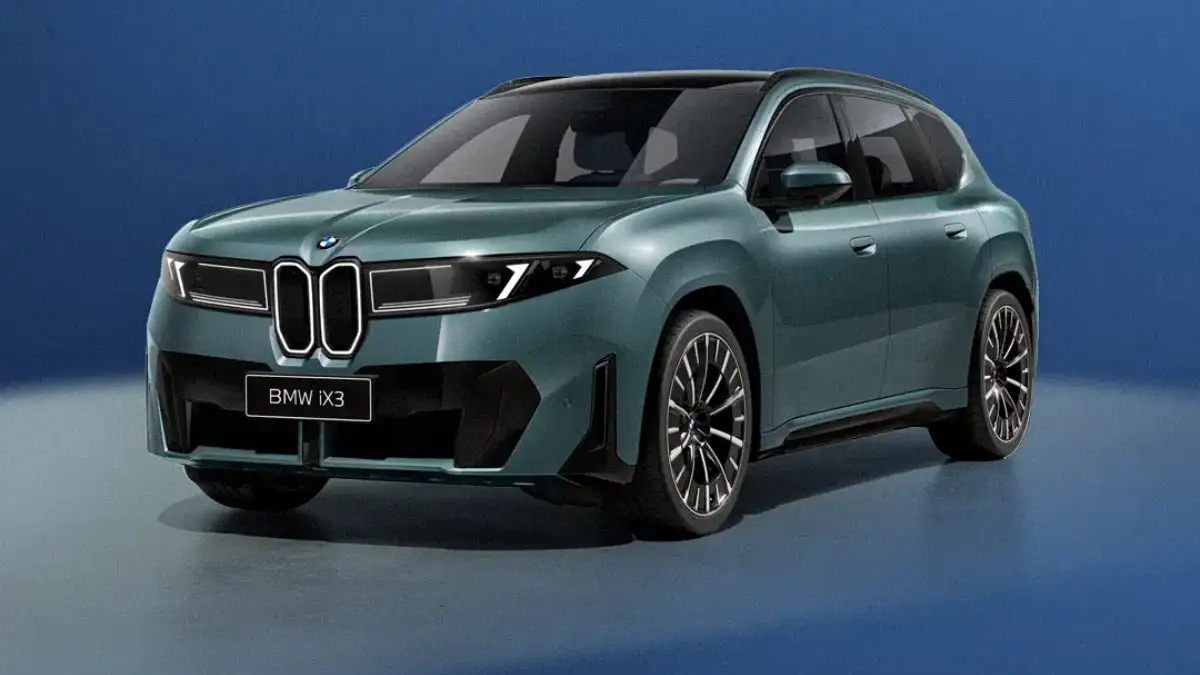
    The new BMW iX3 Long Wheelbase largely retains the styling of its global counterpart but introduces subtle refinements to enhance its visual appeal. Key highlights include the signature Digital Angel Wing daytime running lights and a striking 3D Luminous Grille that gives the SUV a futuristic presence.

    BMW is offering the vehicle in nine exterior colour options, including Mineral White, Arctic Grey, Marina Bay Blue, and Carbon Black. The rear design continues with horizontal L-shaped taillights, while new badging such as Brilliance BMW and iX350L confirms its China-specific production.

    Extended Dimensions for Chinese Market

    One of the biggest upgrades is the longer wheelbase, now measuring 3005mm, which is significantly extended compared to the global model’s 2895mm. This change is aimed at improving rear seat comfort, a key preference among Chinese buyers.

    The overall proportions remain balanced, maintaining the SUV’s premium stance while offering more interior space for passengers.

    Advanced Technology and AI Powered Cabin

    Inside the cabin, BMW introduces its latest design philosophy with a panoramic integrated sunshade sunroof and a highly digital cockpit experience.

    The company has partnered with Alibaba to develop a custom large language model system. This setup integrates DeepSeek AI capabilities and intelligent agents, enhancing in car interactions. Additionally, the system supports HarmonyOS ecosystem features and Huawei HiCar connectivity, ensuring seamless digital integration for users.

    Performance and Powertrain Specifications

    The BMW iX3 Long Wheelbase is powered by the brand’s sixth generation eDrive technology built on an advanced 800V architecture.

    It features a 108kWh battery pack paired with a front asynchronous motor and a rear excited synchronous motor. This dual motor setup delivers an impressive 345kW of power and 645Nm of torque, allowing the SUV to accelerate from 0 to 100 km/h in just 4.9 seconds.

    Range and Fast Charging Capability

    Efficiency is another strong highlight of the new iX3. The SUV offers a CLTC claimed range of over 900 kilometres, making it one of the longest range electric SUVs in its segment.

    Energy consumption is rated at 15.1kWh per 100km. With fast charging support, the vehicle can gain up to 427 kilometres of range in just 10 minutes, thanks to its 800V high voltage system.

    Conclusion

    The China made BMW iX3 Long Wheelbase represents a significant step forward in BMW’s electric vehicle strategy. With its extended wheelbase, advanced AI driven cabin, powerful dual motor setup, and ultra long range, the SUV is clearly tailored to meet the demands of modern Chinese consumers. Its debut at the Beijing Auto Show 2026 is expected to draw major attention as BMW strengthens its position in the premium electric SUV market.

    Source

  • BYD Denza D9 2026 Pre-sales Begin With Ultra-Fast Charging and 800km Range

    BYD Denza D9 2026 Pre-sales Begin With Ultra-Fast Charging and 800km Range

    BYD has officially kicked off pre-sales for the second-generation Denza D9, marking a significant upgrade to its premium MPV lineup. The updated model introduces cutting-edge battery technology, faster charging speeds and enhanced smart driving capabilities. Positioned as a high-end people mover for both business and family use, the new D9 aims to redefine expectations in the electric and hybrid MPV segment.

    Advanced Blade Battery and Ultra-Fast Charging

    One of the biggest highlights of the new Denza D9 is its second-generation Blade Battery. This upgraded battery technology, developed by BYD, supports flash-charging capabilities that set new industry benchmarks. The MPV can charge from 10 percent to 70 percent in just five minutes, while a near full charge of 97 percent can be achieved in only nine minutes.

    This rapid charging performance is expected to significantly reduce downtime, making the D9 highly practical for long-distance travel and commercial usage. Buyers placing orders during the pre-sales phase will also receive 18 months of complimentary flash-charging benefits, adding further value.

    Powertrain Options and Driving Range

    The second-generation Denza D9 will be offered in both plug-in hybrid and fully electric variants. The PHEV model combines a 1.5-litre turbocharged engine with dual electric motors, delivering a pure electric driving range exceeding 400 kilometres under CLTC standards.

    For buyers seeking a fully electric experience, the D9 EV variant comes with both single-motor and dual-motor all-wheel-drive configurations. The top version offers an impressive maximum range of up to 800 kilometres, making it one of the longest-range MPVs currently available.

    Dimensions and Premium Design Updates

    In terms of size, the Denza D9 maintains its large and commanding presence. It measures 5,250 mm in length, 1,960 mm in width and 1,900 mm in height, with a long 3,110 mm wheelbase that ensures ample cabin space.

    The exterior design continues to focus on a business-oriented aesthetic, but the updated model introduces a refreshed diamond-cut front grille that adds a more modern and premium touch. The overall styling strikes a balance between executive sophistication and contemporary appeal.

    Smart Driving With God’s Eye 5.0

    All variants of the second-generation D9 come equipped with BYD’s latest God’s Eye 5.0 advanced driver assistance system. This intelligent suite enhances safety, convenience and driving comfort, making the MPV suitable for both urban commutes and long highway journeys.

    Interestingly, BYD has also confirmed that older Denza D9 models with compatible hardware will receive this new software update, ensuring existing customers are not left behind.

    Pricing and Availability

    The pre-sales price for the new Denza D9 starts at 389,800 yuan, approximately £44,000, and goes up to 489,800 yuan for the top-end variant. Both the plug-in hybrid and pure electric versions are priced identically across comparable trims, giving customers flexibility without cost differences.

    Show units of the MPV are expected to arrive at dealerships across China in April, with deliveries likely to follow soon after.

    BYD’s Global Expansion Plans

    Alongside the launch of the Denza D9, BYD has reiterated its ambitious global growth strategy. The company is targeting overseas vehicle sales of 1.3 million units by 2026, reflecting a growth rate of around 24 percent.

    With advanced products like the Denza D9 and continued innovation in battery technology, BYD is positioning itself as a major global player in the electric mobility space.

    Conclusion

    The second-generation Denza D9 represents a major leap forward in MPV technology, combining ultra-fast charging, long driving range and advanced smart features. With competitive pricing and premium positioning, the model is set to strengthen BYD’s presence in both domestic and international markets.

  • Upcoming 7-Seater SUVs and MPVs in India by 2026: VinFast, MG, Mahindra & More

    Upcoming 7-Seater SUVs and MPVs in India by 2026: VinFast, MG, Mahindra & More

    The demand for 7-seater SUVs and MPVs in India is steadily increasing as buyers look for spacious, feature-loaded family vehicles. Over the next couple of years, several carmakers are preparing to introduce new models across different price ranges. From electric MPVs to updated ICE-powered SUVs, the segment is expected to become more competitive by 2026 with multiple exciting launches.

    VinFast Limo Green

    Vietnamese automaker VinFast is gearing up to enter the Indian market with multiple electric vehicles, including the Limo Green MPV. This 7-seater model is expected to be one of the brand’s first offerings in the country.

    The Limo Green will likely feature a spacious three-row cabin, modern styling, and a focus on practicality. It is expected to measure around 4.7 metres in length, ensuring ample legroom for all passengers. The electric MPV could offer a claimed driving range of around 450 km, making it suitable for both daily commutes and long-distance travel.

    In terms of pricing, the Limo Green is expected to fall in the Rs 20 lakh to Rs 24 lakh bracket, which will place it in direct competition with other premium MPVs and upcoming electric SUVs.

    MG Hector Plus (Updated Version)

    MG Motor will continue to strengthen its presence in the 7-seater SUV space with updated versions of the Hector Plus.

    The refreshed model is expected to come with cosmetic changes, an upgraded infotainment system, and improved safety features. The Hector Plus has already built a strong reputation in India for its spacious cabin and feature-rich package, and future updates will aim to keep it competitive against newer rivals.

    The SUV is likely to retain its petrol and diesel engine options while offering better technology and comfort features for family buyers.

    New Mahindra Electric SUV (XEV 9e / 7-Seater Derivative)

    Mahindra is also working on expanding its electric SUV portfolio, and a larger 7-seater derivative based on its new EV platform is expected in the coming years.

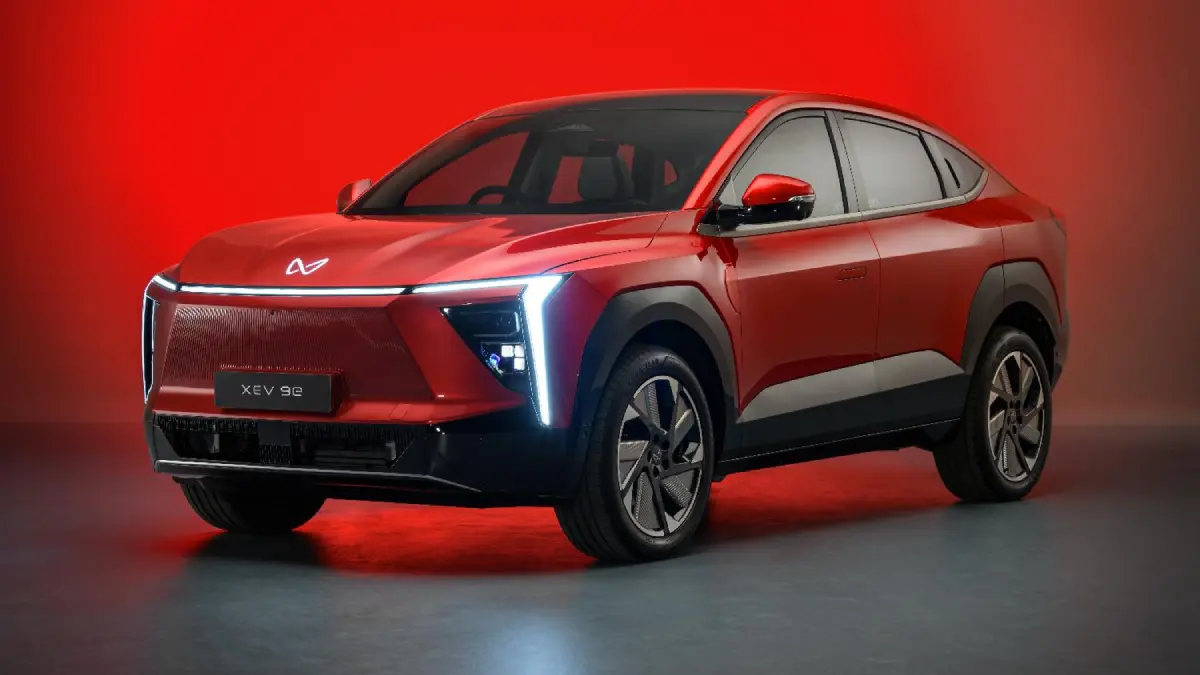
    While the Mahindra XEV 9e is primarily a coupe-SUV, the brand is likely to introduce a more practical three-row version using the same INGLO platform. This future SUV is expected to offer long driving range, fast charging capability, and advanced connected features.

    Mahindra’s upcoming electric SUVs will focus heavily on design, performance, and technology, making them strong contenders in the premium segment.

    Toyota Rumion-Based and Other MPVs

    Toyota is expected to continue its focus on practical MPVs for the Indian market. Models based on existing platforms like the Toyota Rumion could receive updates or new variants to attract more buyers.

    These MPVs are likely to remain affordable and fuel-efficient, catering to large families and fleet operators. Expect improvements in features, comfort, and safety in upcoming versions.

    Growing Focus on Electric 7-Seaters

    A major trend among upcoming 7-seater vehicles is the shift toward electrification. Automakers are investing heavily in EV technology to meet future emission norms and changing consumer preferences.

    Electric 7-seaters offer lower running costs, silent operation, and reduced environmental impact. With improving charging infrastructure and battery efficiency, these vehicles are becoming more practical for Indian buyers.

    By 2026, several new electric SUVs and MPVs are expected to enter the market, providing buyers with more eco-friendly options in the family car segment.

    Conclusion

    The Indian 7-seater SUV and MPV segment is set for significant growth over the next few years. With new launches from brands like VinFast, MG, Mahindra, and Toyota, buyers will have a wide range of options to choose from.

    Whether you are looking for a budget-friendly MPV or a premium electric SUV, the upcoming lineup promises better design, advanced features, and improved performance. As competition increases, customers can expect more value for money and innovative offerings in this rapidly evolving segment.

  • BYD Surpasses Tesla in EV Sales but Profit Declines Amid Rising Competition in 2025

    BYD Surpasses Tesla in EV Sales but Profit Declines Amid Rising Competition in 2025

    The global electric vehicle (EV) market is witnessing a major shift as China’s BYD has surpassed Tesla to become the world’s top EV seller in 2025. While this milestone marks a significant achievement for the Chinese automaker, the company is simultaneously facing declining profits due to intensifying competition and pricing pressures. The latest developments highlight a changing EV landscape where volume growth does not necessarily translate into higher profitability.

    BYD Becomes the World’s Largest EV Seller

    BYD has officially overtaken Tesla in global electric vehicle sales, signaling a major power shift in the EV industry. The company sold around 2.25 million battery electric vehicles in 2025, significantly higher than Tesla’s approximately 1.64 million units.

    This growth represents a year-on-year increase of nearly 28% for BYD, while Tesla experienced a decline in deliveries. The Chinese automaker’s broader strategy of offering a wide range of affordable as well as premium electric vehicles has played a key role in expanding its global footprint.

    Additionally, BYD’s total vehicle sales, including hybrid models, reached around 4.6 million units, further strengthening its position in the EV market. The company’s dominance is particularly strong in China, the world’s largest EV market, but it is also expanding aggressively into Europe and other international regions.

    Record Revenue but Falling Profit Margins

    Despite achieving record sales and revenue of approximately $116 billion in 2025, BYD reported a significant decline in profitability. The company’s net profit dropped by about 19 percent compared to the previous year.

    This marks the first major profit decline for BYD in several years and reflects the growing challenges in the EV industry. Analysts attribute this drop to shrinking margins caused by aggressive pricing strategies and rising competition, particularly in the Chinese market.

    The price war in China has forced automakers to reduce vehicle prices to attract customers, which directly impacts profitability. As more companies enter the EV segment, maintaining high margins has become increasingly difficult even for leading players like BYD.

    Tesla Faces Declining Sales and Market Share

    Tesla, once the undisputed leader in the EV market, is now facing multiple challenges. The company reported a decline in annual deliveries and a drop in automotive revenue, reflecting weakening demand in key markets.

    The rise of Chinese EV manufacturers, especially BYD, has significantly eroded Tesla’s market share in both China and Europe. Increased competition, pricing pressure, and changing government incentives have made it harder for Tesla to maintain its dominance.

    However, Tesla is still showing signs of recovery in certain regions. For instance, recent data suggests that its vehicle registrations in Europe have started to improve after months of decline.

    Intense Competition Reshaping the EV Industry

    The global EV market is becoming increasingly competitive, with several players entering the space and challenging established leaders. In China alone, companies like Geely and Xpeng are pushing aggressively with new models and advanced technologies.

    The competition is not limited to pricing. Automakers are also focusing on innovation, such as faster-charging batteries and longer driving ranges. BYD, for example, is investing heavily in next-generation battery technologies and expanding its fast-charging infrastructure to stay ahead.

    At the same time, the reduction of government subsidies in key markets has added pressure on manufacturers. Without these incentives, companies must rely more on operational efficiency and product differentiation to sustain growth.

    Global Expansion Becomes Key Growth Strategy

    To offset domestic challenges, BYD is increasingly focusing on international markets. The company is expanding its presence in Europe, Latin America, and other regions, aiming to boost exports and diversify revenue streams.

    Overseas sales have already shown strong growth and are expected to play a crucial role in BYD’s future performance. The company is also setting ambitious export targets, reflecting its confidence in global demand for electric vehicles.

    Tesla, too, continues to expand globally, but it faces stiff competition from both established automakers and emerging EV startups. The race for global dominance is now more intense than ever.

    What This Means for the Future of EVs

    BYD’s rise to the top of the EV market highlights a broader shift in the global automotive industry. While Tesla remains a key player, the emergence of strong competitors from China is reshaping the competitive landscape.

    The current scenario also shows that high sales volumes do not guarantee profitability. Companies must balance growth with sustainable margins, especially in a market driven by innovation and cost efficiency.

    Looking ahead, the EV industry is expected to witness further consolidation, technological advancements, and global expansion. The battle between BYD, Tesla, and other automakers will continue to define the future of mobility, with consumers ultimately benefiting from better technology and more competitive pricing.