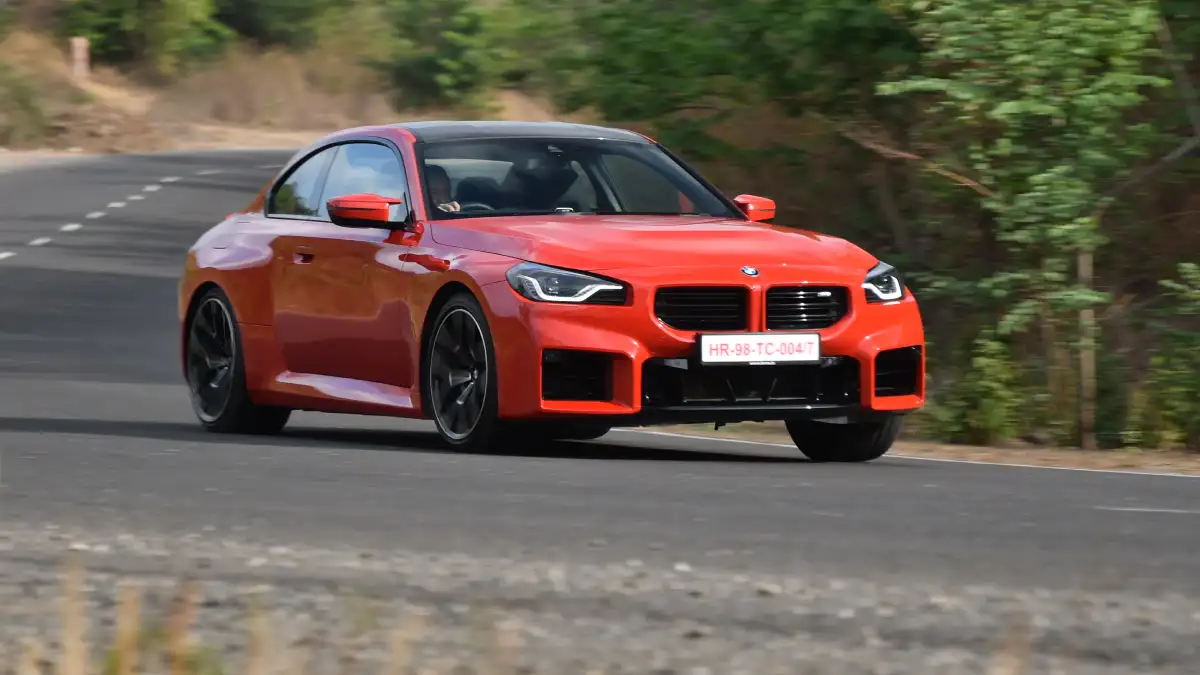
BMW M2 CS has officially been launched in India, marking the arrival of the most powerful and track-focused version of the compact M car yet. Introduced as a Completely Built-Up (CBU) unit, this high-performance coupe will be available in limited numbers, making it an exclusive offering for enthusiasts.
Priced at ₹1.66 crore (ex-showroom), the new M2 CS brings race-inspired engineering, aggressive styling, and record-breaking performance to the Indian market.
Powerful Engine and Performance
At the core of the BMW M2 CS lies an upgraded 3.0-litre, six-cylinder S58 engine with M TwinPower Turbo technology.
This engine produces an impressive 530 hp and 650 Nm of peak torque, making it 50 hp more powerful than the standard M2.
Power is delivered to the rear wheels through an 8-speed M Steptronic automatic transmission, allowing the coupe to sprint from 0 to 100 kmph in just 3.8 seconds.
It also boasts a top speed of 302 kmph, placing it among the fastest cars in its segment.
Nürburgring Record Performance
The BMW M2 CS has set a remarkable benchmark at the legendary Nürburgring Nordschleife.
It completed the 20.8 km circuit in just 7 minutes and 25.5 seconds, making it the fastest compact car to lap the “Green Hell.”
This achievement beats the previous record by eight seconds, highlighting its track-focused engineering.
Lightweight Construction and Enhanced Dynamics
BMW has focused heavily on weight reduction to improve performance and handling.
The M2 CS is 30 kg lighter than the standard model, thanks to the extensive use of carbon-fibre-reinforced plastic (CFRP) in components such as the roof, boot lid, and diffuser.
The chassis has been lowered by 8 mm and retuned for sharper handling, while optimized stability control systems enhance its track capability and driving precision.
Aggressive Exterior Design
The BMW M2 CS features a bold and aggressive design that reflects its motorsport DNA.
It comes with a unique CS-specific kidney grille, a ducktail rear spoiler, and gold bronze forged alloy wheels.
The coupe rides on 19-inch wheels at the front and 20-inch wheels at the rear, while a quad exhaust setup and carbon elements further amplify its sporty appeal.
Buyers can choose from striking colour options like Brooklyn Grey, Portimao Blue, Black Sapphire, and BMW Individual Velvet Blue.
Premium and Sporty Interior
Inside the cabin, the M2 CS blends luxury with performance-focused elements.
It features lightweight M Carbon bucket seats, Alcantara surfaces, Merino leather upholstery, and a carbon-fibre centre console.
The interior is designed to deliver both comfort and a race-inspired driving experience.
Technology and Features
The coupe comes equipped with BMW Operating System 8.5, a head-up display, and a premium Harman Kardon sound system.
It also includes M Drive Professional, offering advanced features such as Drift Analyser and Laptimer for enthusiasts who want to explore the car’s full potential on track.
Key Specifications of BMW M2 CS
The BMW M2 CS is powered by a 2993 cc turbocharged petrol engine with six cylinders and rear-wheel-drive layout.
It features an 8-speed automatic gearbox and delivers strong performance with direct fuel injection technology.
The car measures 4,587 mm in length, 1,887 mm in width, and has a wheelbase of 2,747 mm. It offers a boot capacity of 390 litres and a fuel tank capacity of 52 litres.
FAQs
What is the price of the BMW M2 CS in India?
The BMW M2 CS is priced at ₹1.66 crore (ex-showroom) in India.
What engine does the BMW M2 CS use?
It uses a 3.0-litre twin-turbocharged inline-six S58 petrol engine.
How much power does the BMW M2 CS produce?
The car produces 530 hp of power and 650 Nm of torque.
What is the 0-100 kmph acceleration time?
The BMW M2 CS accelerates from 0 to 100 kmph in just 3.8 seconds.
What is the top speed of the BMW M2 CS?
It has a top speed of 302 kmph.
Is the BMW M2 CS limited in India?
Yes, it is available in limited numbers as a CBU import.
What makes the BMW M2 CS different from the standard M2?
The M2 CS is more powerful, lighter, and more track-focused with improved handling, performance upgrades, and exclusive design elements.
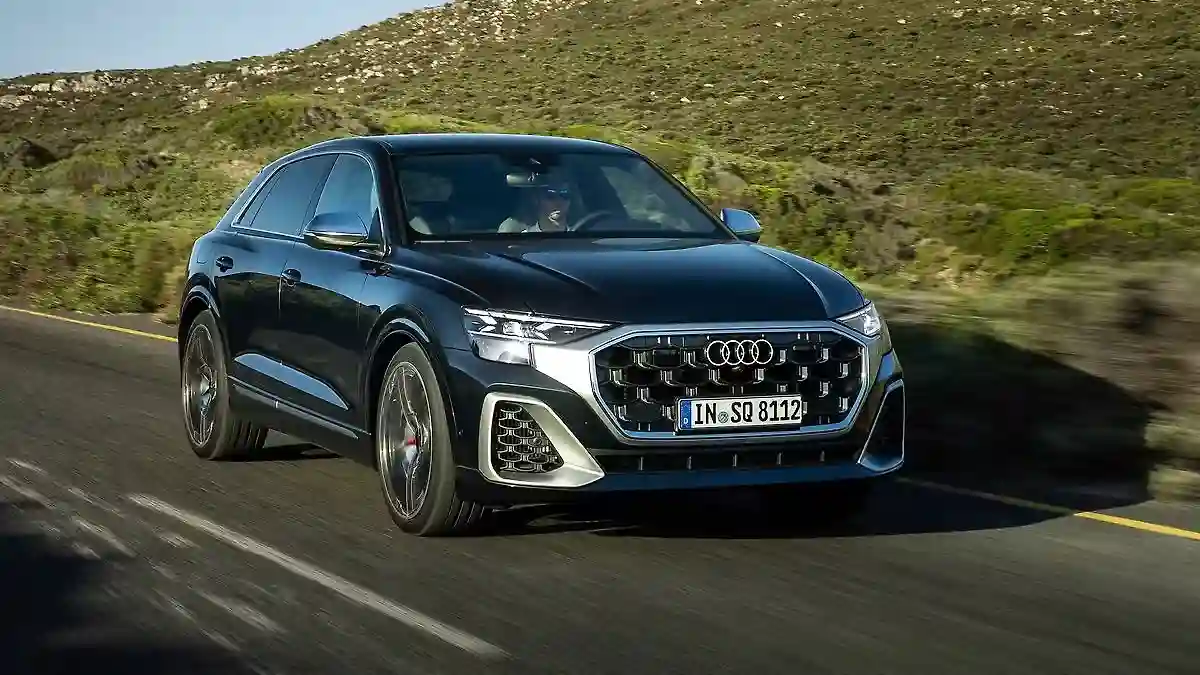
Audi SQ8 has officially been launched in India, expanding Audi’s high-performance SUV lineup. Priced at Rs 1.78 crore (ex-showroom, introductory), the SQ8 sits between the standard Q8 and the flagship RS Q8, offering a perfect balance of luxury and performance.
Bookings for the SUV have already commenced through official Audi channels and the myAudi Connect app with a token amount of Rs 5 lakh.
Dimensions and Practicality
The Audi SQ8 is a full-size luxury SUV with imposing road presence. It measures 5,004 mm in length, 1,995 mm in width, and 1,708 mm in height, with a wheelbase of 2,998 mm.
It also offers strong practicality with a boot space of 604 litres, which can be expanded up to 1,755 litres using the 40:20:40 split-folding rear seats. This makes it suitable for both daily use and long-distance travel.
Engine and Performance
At the heart of the SQ8 lies a powerful 4.0-litre twin-turbocharged V8 TFSI petrol engine.
This engine produces 507 hp of maximum power and 770 Nm of peak torque, delivering strong performance despite being slightly less powerful than the RS Q8.
The SUV accelerates from 0 to 100 kmph in just 4.1 seconds and has an electronically limited top speed of 250 kmph.
Power is sent to all four wheels via an 8-speed automatic transmission paired with Audi’s Quattro all-wheel-drive system, ensuring excellent grip and driving dynamics.
Advanced Driving Dynamics
To enhance ride quality and handling, the SQ8 comes equipped with adaptive air suspension sport as standard.
This system automatically adjusts ride height and suspension stiffness based on driving conditions.
Additionally, all-wheel steering improves manoeuvrability at low speeds and stability at higher speeds, making this large SUV surprisingly agile on the road.
Sporty Exterior Design
The SQ8 stands out with its bold and sporty design elements.
It features a matte silver Singleframe grille, large 21-inch alloy wheels, a quad exhaust setup, and a connected LED light bar at the rear.
The SUV also gets advanced HD Matrix LED headlights with laser light technology and digital OLED tail lamps with customizable lighting signatures, enhancing both style and visibility.
Premium Interior and Features
Inside the cabin, the Audi SQ8 offers a luxurious and tech-rich environment.
It comes with a 12.3-inch digital cockpit and a dual-screen MMI infotainment system with 10.1-inch and 8.6-inch touchscreens.
The SUV features Valcona leather S sport seats with heating, ventilation, and massage functions for maximum comfort.
Other highlights include a 17-speaker Bang & Olufsen sound system, panoramic sunroof, wireless smartphone charger, and a powered tailgate.
Safety and Technology
Audi has equipped the SQ8 with a wide range of safety and driver assistance features.
These include eight airbags, a 360-degree camera system, blind spot monitoring, tyre pressure monitoring system (TPMS), and Level 2 ADAS features.
These advanced systems enhance safety and make driving more convenient in both city and highway conditions.
Colour Options
The Audi SQ8 is available in multiple premium colour options, including Ascari Blue, Mythos Black, Daytona Grey, Glacier White, Chili Red, Waitomo Blue, Satellite Silver, and Sakhir Gold.
FAQs
What is the price of the Audi SQ8 in India?
The Audi SQ8 has been launched in India at an introductory price of Rs 1.78 crore (ex-showroom).
What engine does the Audi SQ8 use?
It is powered by a 4.0-litre twin-turbocharged V8 petrol engine that produces around 507 hp and 770 Nm of torque.
How fast is the Audi SQ8?
The SUV can accelerate from 0 to 100 kmph in just 4.1 seconds and has a top speed of 250 kmph (electronically limited).
What is the booking amount for the Audi SQ8?
Customers can book the Audi SQ8 with a token amount of Rs 5 lakh through official channels.
Where does the Audi SQ8 sit in Audi’s lineup?
The SQ8 is positioned between the standard Q8 and the flagship RS Q8, offering a balance of performance and luxury.
What drivetrain does the Audi SQ8 have?
It comes with an 8-speed automatic transmission and Audi’s Quattro all-wheel-drive system for better traction and performance.
What are the key features of the Audi SQ8?
The SUV offers features like a digital cockpit, dual touchscreen infotainment system, panoramic sunroof, premium sound system, ADAS, and multiple safety features.
What cars compete with the Audi SQ8 in India?
The Audi SQ8 competes with models like the Mercedes-AMG GLE Coupe, BMW X5 M60i, Porsche Cayenne, and Maserati Grecale in the luxury performance SUV segment.
Renault India has officially stopped bookings for the strong hybrid variant of the new Duster after witnessing an overwhelming response from buyers. The company confirmed that all production slots for 2026 are already sold out, highlighting the massive demand for the SUV even before its full-scale deliveries begin.
The pre-bookings had started earlier with a token amount of Rs 21,000, and the response has been particularly strong from metro cities, which contributed to a significant share of total bookings.
Renault Duster Hybrid Demand Exceeds Expectations
The company revealed that the strong hybrid variant received exceptional demand, forcing it to halt further bookings. According to Renault India’s sales leadership, nearly 39 percent of total bookings came from metro cities, reflecting growing interest in hybrid technology.
Due to this surge, buyers who have already booked the hybrid variant may face longer waiting periods. Renault is now working aggressively to increase its production capacity to meet demand.
Strong Hybrid Powertrain Details
The new Duster strong hybrid comes equipped with an advanced E-Tech powertrain. It features a 1.8-litre petrol engine paired with an electric motor and a 1.4kWh battery pack.
This setup produces a combined power output of 160 bhp and 172 Nm of torque, making it one of the most efficient and powerful options in its segment. Deliveries of the hybrid variant are expected to begin before Diwali 2026.
Meanwhile, the other engine variants are scheduled to start deliveries around mid-April 2026.
Production and Competition in the Market
The new-generation Duster is being manufactured at Renault’s Chennai plant. Given the strong demand, the company is planning to scale up production significantly.
In the Indian market, the SUV will compete with popular models like the Hyundai Creta, Kia Seltos, Maruti Grand Vitara, Honda Elevate, Skoda Kushaq, and other compact SUVs.
New vs Old Renault Duster: Exterior Changes
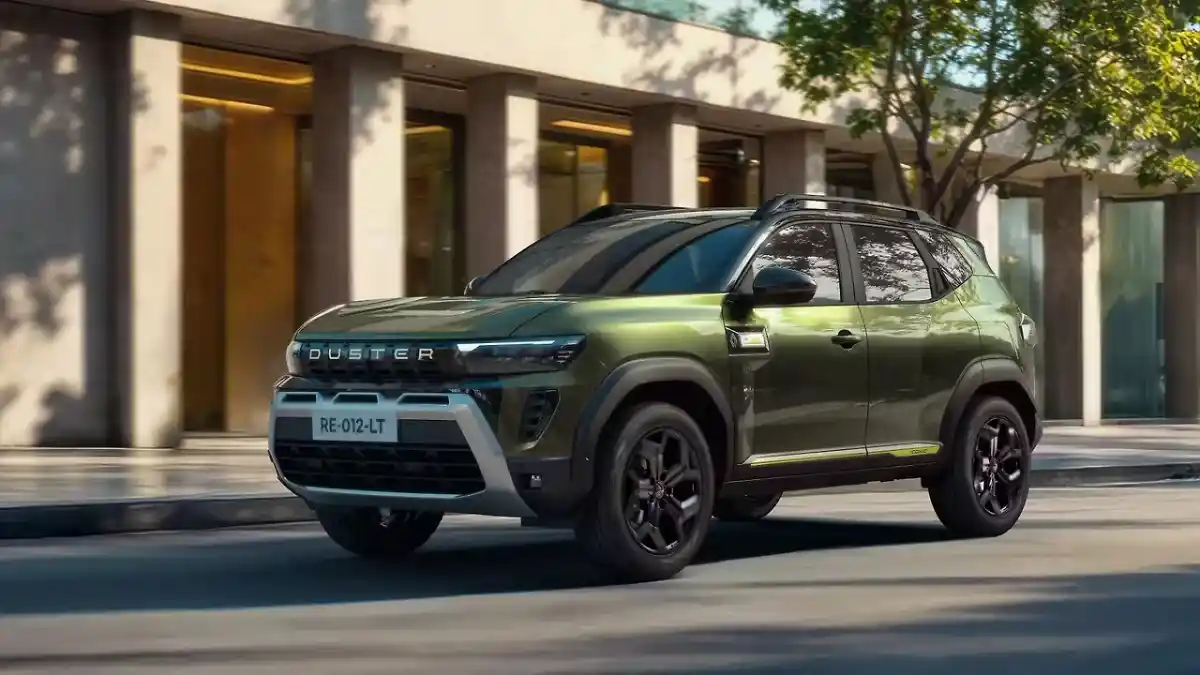
The 2026 Duster features a completely refreshed design compared to the older model.
The front now looks more modern and aggressive with sleek LED DRLs, a gloss black grille with DUSTER branding, and multi-reflector LED headlamps. The redesigned bumper and silver skid plate enhance its sporty appeal.
From the side, both versions share some similarities, but the new model gets updated styling with a redesigned window line and larger 18-inch alloy wheels. It also includes improved roof rails capable of carrying up to 50 kg.
At the rear, the changes are more noticeable. The new Duster gets connected tail lamps, a redesigned spoiler, and a more premium overall finish compared to the older model’s simpler design.
Interior Gets a Premium Upgrade
Inside the cabin, the new Duster offers a significant upgrade in terms of quality and features.
It now comes with soft-touch materials, a modern dashboard layout, and a redesigned steering wheel with the latest Renault logo. The cabin also features carbon-fiber-like inserts and brushed silver accents.
The new version replaces traditional controls with sleek toggle switches for dual-zone climate control. It also adds a front center armrest with storage, which was missing in the older model.
The seating has also improved, with dual-tone leatherette upholstery and contrast stitching in special editions. Rear passengers now get adjustable headrests and improved safety features.
Feature List: Major Improvements
The 2026 Duster is packed with modern features including a 10.1-inch touchscreen infotainment system with wireless Apple CarPlay and Android Auto, and a 10.25-inch digital driver display.
It also offers a panoramic sunroof, wireless charger, ventilated front seats, ambient lighting, and a powered tailgate.
In terms of safety, the SUV now includes six airbags, electronic stability control, a 360-degree camera, rain-sensing wipers, and advanced driver assistance systems (ADAS).
Powertrain Options Explained
The older Duster was available with petrol and diesel engine options, including a 1.5-litre naturally aspirated petrol and a 1.3-litre turbo petrol.
The new-generation model shifts to petrol-only engines with three options: a 1.0-litre turbo petrol, a 1.3-litre turbo petrol with mild hybrid technology, and the new 1.8-litre strong hybrid setup.
Price Comparison: Old vs New
Before discontinuation, the older Duster was priced between Rs 9.86 lakh and Rs 14.25 lakh (ex-showroom).
The new 2026 Duster starts at Rs 10.49 lakh and goes up to Rs 16.99 lakh (ex-showroom), making it competitively priced in the compact SUV segment despite the major upgrades.
Conclusion
The overwhelming demand for the Renault Duster Hybrid clearly shows a strong shift in buyer preference toward fuel-efficient and eco-friendly technologies. With bookings already closed for 2026, the SUV has set a new benchmark even before hitting the roads in large numbers.
As Renault works on expanding production, the new Duster is expected to play a key role in reshaping the compact SUV segment in India.
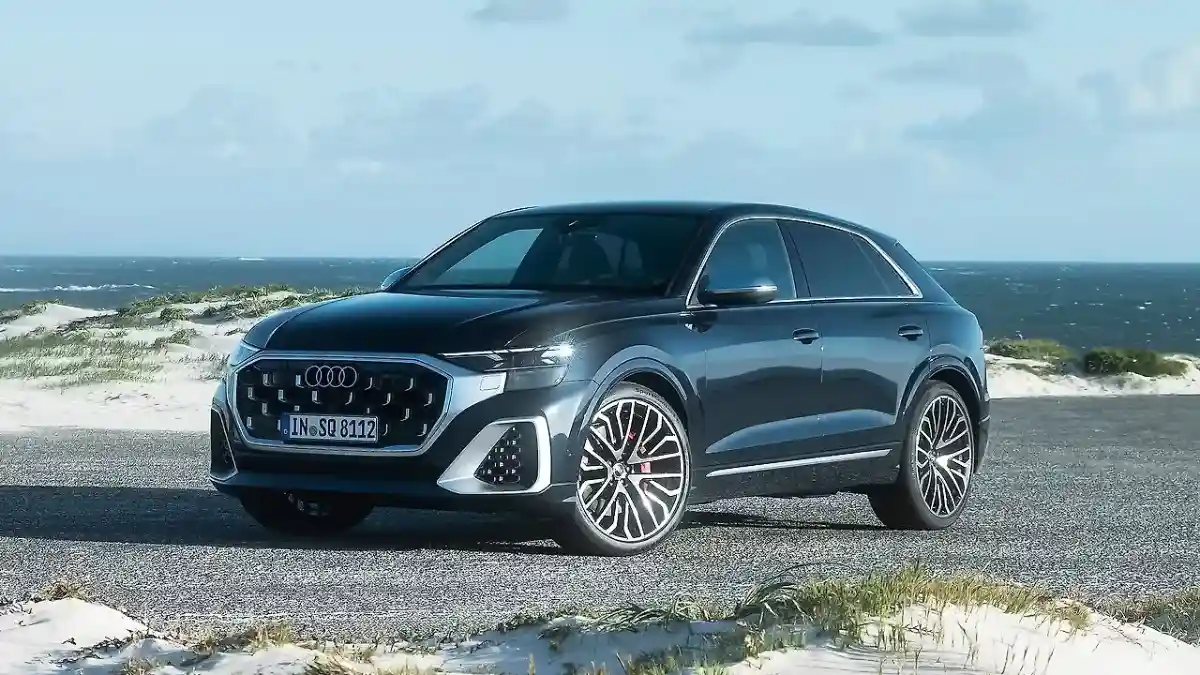
German luxury car manufacturer Audi is ready to expand its performance SUV lineup in India with the launch of the Audi SQ8 on March 17, 2026. The high-performance luxury SUV will be positioned between the standard Audi Q8 and the flagship Audi RS Q8.
Bookings for the performance SUV have already started earlier this month with a token amount of ₹5 lakh, and the model will arrive in India via the Completely Built Unit (CBU) route. The SUV is expected to carry a price tag between ₹1.50 crore and ₹2.00 crore (ex-showroom).
Powerful 4.0-Litre Twin-Turbo V8 Engine
Performance is the main highlight of the Audi SQ8. Under the hood, the SUV features a 4.0-litre twin-turbocharged V8 petrol engine that delivers 500bhp of power and 770Nm of torque.
The engine is paired with an eight-speed automatic transmission and sends power to all four wheels through Audi’s well-known Quattro all-wheel-drive system, ensuring superior traction and stability.
Performance figures of the SQ8 include:
Maximum power: 500bhp
Peak torque: 770Nm
Transmission: 8-speed automatic gearbox
Drivetrain: Quattro all-wheel drive
0-100 km/h acceleration: 4.1 seconds
This setup makes the SQ8 a true performance-focused luxury SUV capable of delivering thrilling driving dynamics.
Sporty Exterior Styling
The design of the Audi SQ8 features several sporty upgrades over the regular Q8. At the front, the SUV comes with Audi’s signature single-frame grille finished in silver along with Matrix LED headlamps.
Several exterior elements also receive matte silver accents, including the bumper inserts, window surrounds and roof rails.
Other design highlights include:
Large dual-tone alloy wheels
Quad exhaust tips at the rear
OLED tail lamps with connected LED light bar
Shark-fin antenna
Roof-mounted spoiler with integrated brake light
These elements give the SQ8 a more aggressive and performance-oriented look.
Premium Cabin with Advanced Technology
Inside the cabin, the SQ8 offers a luxurious and technology-rich interior designed for comfort and connectivity. The dashboard features two large 12.3-inch displays, including Audi’s Virtual Cockpit Plus digital instrument cluster.
Key interior features include:
Twin 12.3-inch digital screens
S-line interior elements and steering wheel inserts
Panoramic sunroof
Head-up display
Ambient lighting
Multi-zone climate control
Electrically adjustable front seats
The front seats are also expected to offer heating, ventilation, and massage functions, providing premium comfort for long journeys.
Safety and Driver Assistance Features
In terms of safety, the Audi SQ8 is expected to come equipped with a wide range of advanced safety systems.
Key safety features may include:
Multiple airbags
ABS with EBD
Electronic Stability Program (ESP)
Hill Descent Control (HDC)
Hill Assist Control (HAC)
Tyre Pressure Monitoring System (TPMS)
Additionally, the SUV could also include advanced driver assistance systems (ADAS) to enhance driving safety.
Expected Price and Availability
The Audi SQ8 will officially debut in the Indian market on March 17, 2026.
The highly anticipated Renault Duster 2026 is finally arriving in India, with the official launch scheduled for March 17, 2026. The new-generation model marks the return of one of the most popular SUVs that once dominated the mid-size SUV segment in the country.
Bookings for the SUV have already started at ₹21,000, and thousands of customers have shown interest in the new model. Renault is bringing a completely redesigned version of the Duster with updated styling, advanced technology, and multiple engine options to compete in India’s highly competitive SUV market.
Bold and Rugged Exterior Design
The new Duster comes with a stronger and more aggressive SUV design compared to the older model. Renault has completely redesigned the front and rear sections to give it a modern appearance.
At the front, the SUV features sharp LED headlamps with integrated LED DRLs, along with prominent Duster lettering on the grille. The bumper design is muscular and includes silver skid plates, enhancing its rugged SUV appeal.
From the side, the SUV maintains a robust stance with black wheel arch cladding, roof rails, and large alloy wheels. At the rear, the new Duster gets C-shaped LED tail lights connected by a stylish LED light bar, giving it a premium look.
The SUV also offers multiple colour options including Jade Mountain Green, Pearl White, Moonlight Silver, Stealth Black, River Blue, and Sunset Red.
Premium Interior with Dual Screens
Inside the cabin, Renault has introduced a modern and feature-rich interior layout. The dashboard now features a dual-screen setup, giving the SUV a tech-focused appearance.
The setup includes:
10.1-inch touchscreen infotainment system
10.25-inch fully digital driver display
The infotainment system supports OpenR multimedia with built-in Google services, making navigation and connectivity more seamless.
Other key interior features include a panoramic sunroof, ambient lighting with 48 colour options, and leatherette upholstery, giving the cabin a more premium feel.
Comfort and Convenience Features
The new Duster focuses heavily on comfort and technology. Renault has added several modern features that are now expected in premium SUVs.
Important features include:
Six-way powered and ventilated front seats
Dual-zone automatic climate control
Wireless smartphone charger
Type-C charging ports
Powered tailgate
360-degree camera system
Large 518-litre boot space
These additions place the new Duster among the most feature-packed SUVs in its price segment.
Three Engine Options Including Hybrid
One of the biggest highlights of the new model is the availability of three engine options.
The entry-level model will get a 1.0-litre turbo-petrol engine producing 102 bhp and 160 Nm of torque, paired with a six-speed manual gearbox.
The second option is a 1.3-litre turbo-petrol engine delivering 163 bhp and 280 Nm torque, available with either a six-speed manual or DCT automatic transmission.
Later this year, Renault is expected to introduce a 1.8-litre strong hybrid engine producing 163 bhp and 172 Nm of torque. This version will come with an automatic gearbox and a 1.4 kWh battery, allowing limited EV-mode driving.
The SUV also offers Eco, Comfort and Perso driving modes to adjust performance and fuel efficiency.
Advanced Safety and ADAS Technology
Safety is another major upgrade in the new Duster. The SUV will feature six airbags along with several advanced driver assistance systems.
The Level 2 ADAS package includes up to 17 safety features, such as:
Adaptive cruise control
Lane keep assist
Traffic sign recognition
Automatic emergency braking
Additionally, the 360-degree camera with 3D view helps drivers park and navigate tight spaces more easily.
Expected Price and Variants
The new Renault Duster is expected to be priced between ₹9.49 lakh and ₹19 lakh (ex-showroom) in India.
The SUV is likely to be offered in several variants including:
Authentic
Evolution
Techno
Emotion
Iconic Edition
With this pricing, Renault aims to directly compete with popular mid-size SUVs like the Kia Seltos and the upcoming Tata Sierra.
A Big Comeback for the Duster Brand
The original Duster played a major role in establishing Renault’s presence in the Indian SUV market. With the new generation model featuring modern design, hybrid technology, and advanced safety systems, Renault hopes to recreate that success.
If priced competitively, the 2026 Duster could once again become one of the most attractive SUVs for Indian buyers looking for a combination of style, performance, and technology.
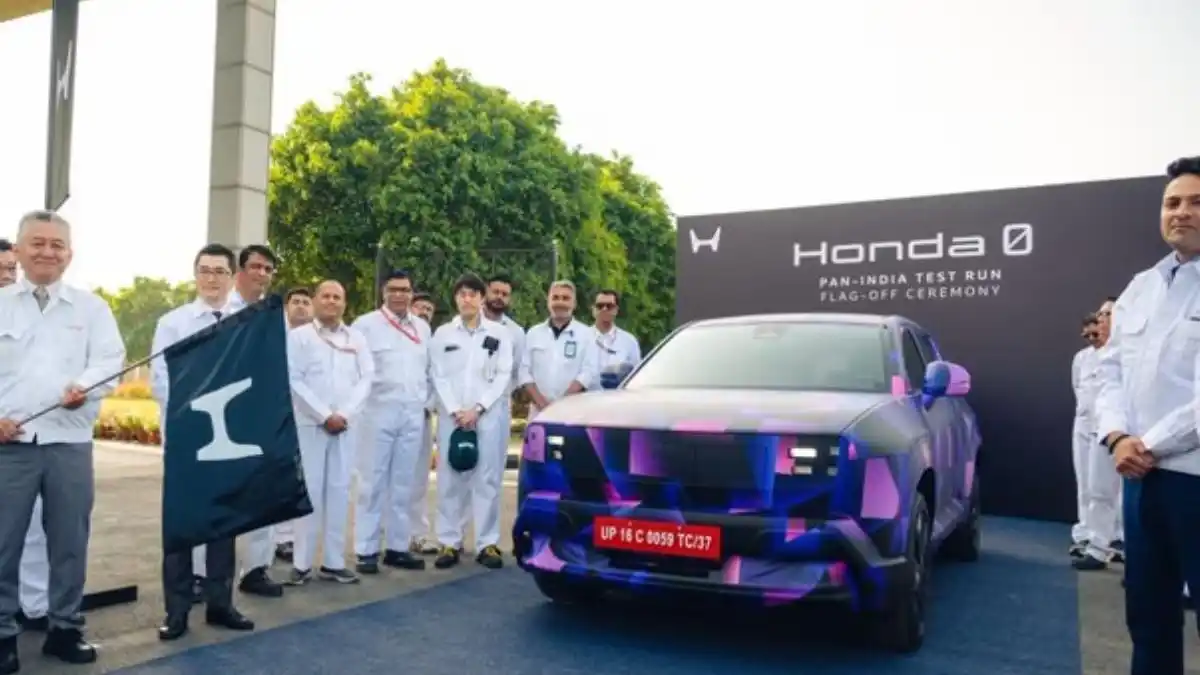
Japanese automaker Honda is preparing to enter the Indian electric vehicle market with its first electric SUV. The company has officially started testing the upcoming EV on Indian roads, signaling a major step in its electrification strategy for the country. Once launched, the new electric SUV is expected to compete directly with popular EV models from Tata Motors.
Electric SUV Testing Starts in India
The testing program has begun from Honda’s Tapukara plant in Rajasthan. Under this program, the SUV will be driven across various road conditions across India to evaluate its real-world performance.
Engineers will test the vehicle on highways, city roads, and rough terrains to understand how well it adapts to Indian driving conditions. During these trials, the engineering team will focus on several critical aspects including durability, handling, ride comfort, efficiency, and overall reliability.
Extreme Heat and Monsoon Testing Planned
India’s climate and road infrastructure present unique challenges for vehicles. To ensure the SUV performs reliably in all conditions, Honda will also test the electric vehicle during extreme summer heat as well as the monsoon season.
Additionally, the company will analyze charging performance across different charging infrastructures available in the country. This step is important to confirm that the electric SUV is practical for everyday use in India.
Prototype Earlier Revealed at Japan Mobility Show
The concept version of this electric vehicle was previously showcased as Honda 0 α at the Japan Mobility Show 2025. The current testing phase is believed to be part of the development process for the production version intended for the Indian market.
According to Takashi Nakajima, the public road testing program across India marks a significant milestone in Honda’s electrification journey. He stated that India’s weather and driving environments are very different from other markets, making real-world testing essential for developing reliable electric vehicles.
The company aims to deliver an electric SUV that offers dependable performance, comfort, and ease of driving for customers.
Expected Launch Timeline
Honda’s upcoming electric SUV is being designed with urban mobility and lifestyle-focused driving in mind. As per the company’s plan, the model is expected to launch in the financial year 2026-27.
Initially, the SUV will be introduced in major markets such as India and Japan. Notably, the vehicle will be manufactured in India and will also be exported to other international markets.
Honda’s upcoming electric SUV will play a crucial role in the company’s EV strategy in India. With public road testing now underway, more details about its design, features, and specifications are likely to emerge in the coming months.
German luxury car manufacturer Audi has announced that it will increase the prices of its cars in India by up to 2 percent starting April 1, 2026. The price revision will apply to the company’s entire product lineup, although the exact increase will vary depending on the specific model.
According to the automaker, the decision has been taken due to rising input costs and fluctuations in currency exchange rates, which have impacted the overall cost of manufacturing and operations.
Price Hike to Affect Entire Audi Range
The upcoming price increase will impact all models sold by Audi in the Indian market. The brand currently offers a wide range of luxury sedans, SUVs, and electric vehicles including the Audi A4, Audi A6, Audi Q3, Audi Q5, Audi Q7, Audi Q8 and the performance-focused Audi RS Q8 in the country.
The increase will be reflected in the ex-showroom prices of these vehicles once the revised pricing comes into effect.
Balbir Singh Dhillon, Brand Director at Audi India, said the company aims to minimize the impact of the price adjustment on customers, despite the rising operational costs.
Reason Behind the Price Revision
The company explained that the price adjustment is necessary because of higher input costs and currency fluctuations, which have increased production and import expenses.
Luxury car manufacturers often rely on imported components and Completely Built Units (CBUs), making them sensitive to foreign exchange movements and global supply chain costs. As a result, automakers periodically revise prices to maintain profitability.
Industry reports indicate that several luxury car brands have taken similar steps recently to cope with rising costs.
Upcoming Launches from Audi India
The announcement comes at a time when Audi is preparing to expand its product lineup in India.
The company has already started accepting bookings for the upcoming Audi SQ8, a performance SUV powered by a 4.0-litre twin-turbo V8 engine producing around 500bhp and 770Nm of torque.
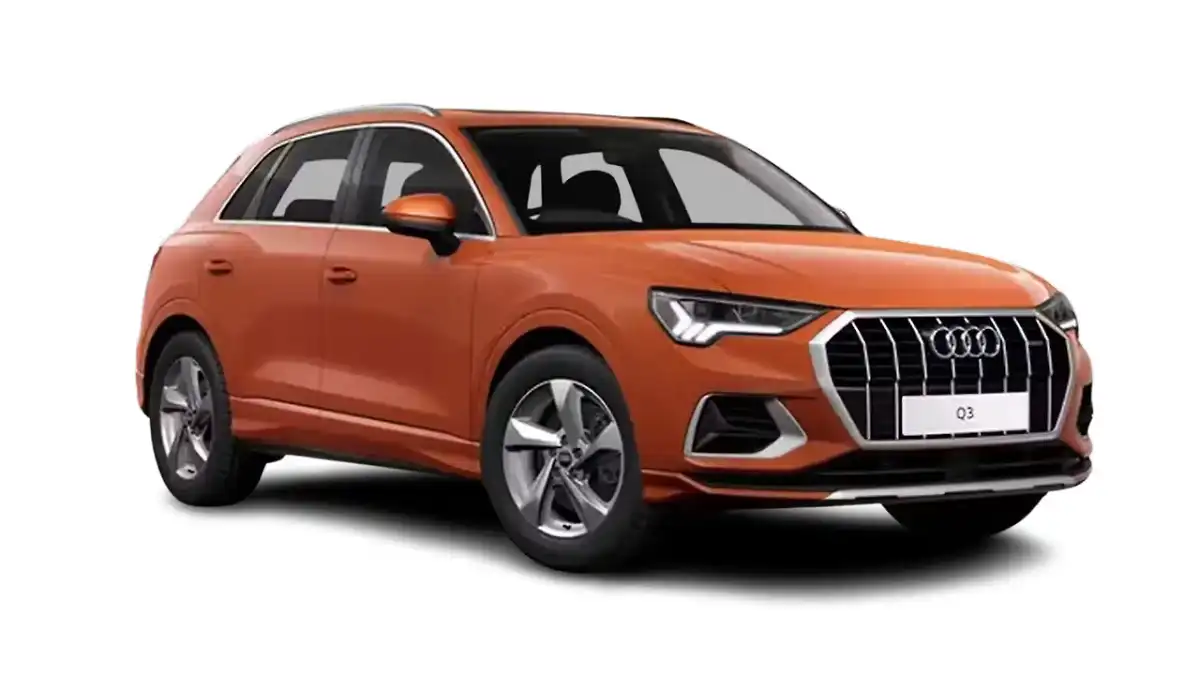
Additionally, the next major launch expected from the brand could be the new generation of the Audi Q3, which continues to be one of the company’s most popular luxury SUVs in India.
Conclusion
With the upcoming price hike of up to 2 percent, buyers planning to purchase an Audi vehicle may consider booking their car before April 1, 2026 to avoid the increased pricing.
Despite the revision, Audi continues to strengthen its presence in India with new product launches and an expanding luxury portfolio, keeping the brand competitive in the premium automobile segment.
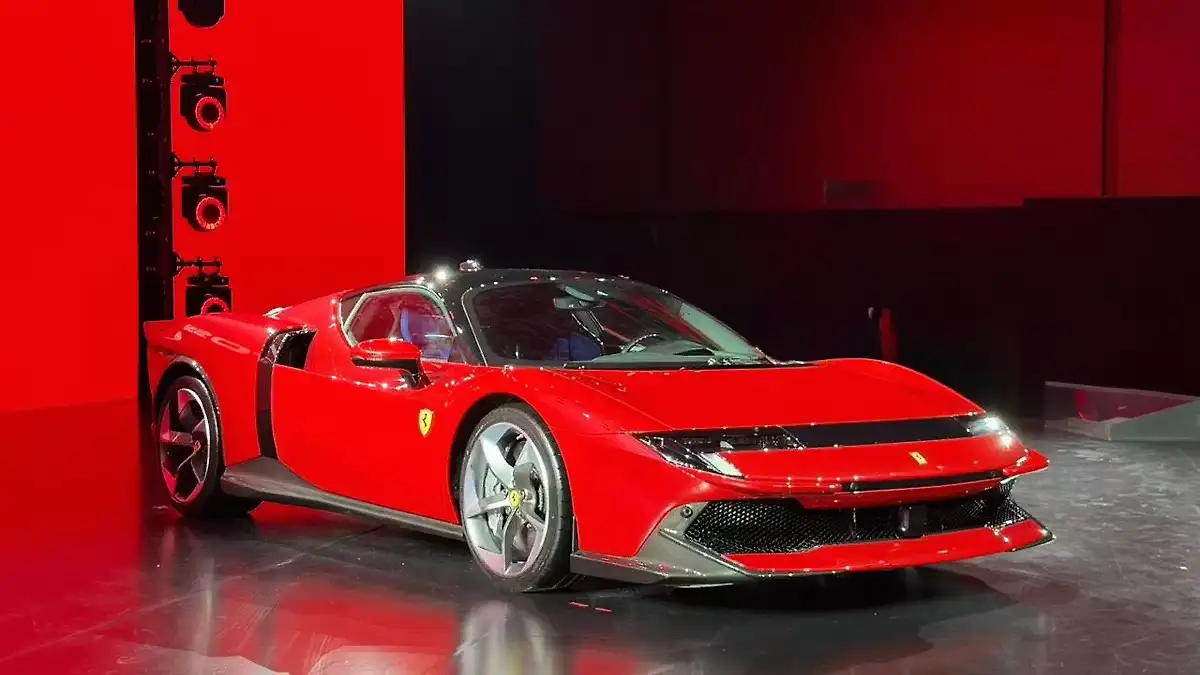
Ferrari has officially unveiled its newest flagship supercar, the Ferrari 849 Testarossa, in India with a starting price of ₹10.37 crore (ex-showroom) before optional customisations. The new model replaces the Ferrari SF90 Stradale in the brand’s global lineup and marks the return of one of Ferrari’s most iconic nameplates.
The revival of the Testarossa badge is a significant moment for the Italian luxury carmaker. The name last appeared on a Ferrari production model in 1996, when the Ferrari F512 M ended its production run. Nearly three decades later, Ferrari has reintroduced the legendary name with a modern hybrid supercar.
A Powerful Hybrid Powertrain
At the heart of the Ferrari 849 Testarossa is a 4.0-litre twin-turbocharged V8 engine paired with three electric motors and a lithium-ion battery pack.
Unlike the classic Testarossa models that used a flat-12 engine, the new version adopts a plug-in hybrid powertrain, similar in concept to the Ferrari SF90 Stradale.
Key powertrain highlights include:
Combined power output of around 1,050bhp
Advanced plug-in hybrid system
Electric motors powering the front wheels
Torque vectoring for improved cornering performance
This makes the car the most powerful production Ferrari ever built, placing it in the same performance category as the Lamborghini Revuelto.
Stunning Performance Figures
The performance numbers of the Ferrari 849 Testarossa are as dramatic as its design.
Performance specifications include:
0–100 km/h: Under 2.3 seconds
Top speed: Electronically limited to 330 km/h
Electric-only range: Up to 25 km
The electric motors also allow the car to drive in limited electric-only mode, making it both powerful and technologically advanced.
Design Inspired by the Original Testarossa
Ferrari has carefully blended retro inspiration with modern styling in the design of the Ferrari 849 Testarossa.
The car draws visual inspiration from the original 1980s Testarossa, including:
Wide stance and muscular proportions
Dramatic side surfaces
Modern aerodynamic sculpting
Sharper and more aggressive body lines
The design language also reflects styling cues from Ferrari’s latest supercar family.
Advanced Aerodynamics and Chassis Technology
Ferrari has equipped the new supercar with advanced aerodynamics and chassis technology.
Key highlights include:
Active aerodynamic elements generating over 400kg of downforce
Updated chassis electronics
Advanced torque-vectoring system
High-performance braking package
These upgrades significantly improve high-speed stability and track performance.
Spider Version Expected Later
Ferrari is also expected to introduce a retractable hard-top Spider version of the Ferrari 849 Testarossa, similar to the strategy used for the Ferrari SF90 Spider.
Like most flagship Ferraris, production is expected to remain limited, and many units are likely to be reserved for Ferrari’s long-standing clients and collectors.
Conclusion
The Ferrari 849 Testarossa represents a bold return for one of Ferrari’s most legendary names. With a 1,050bhp hybrid powertrain, stunning performance, and cutting-edge technology, the new model sets a new benchmark for Ferrari’s flagship supercars.
Priced at ₹10.37 crore in India, the car blends heritage, innovation, and extreme performance, making it one of the most exciting supercars launched in recent years.
FAQs
What is the price of the Ferrari 849 Testarossa in India?
The Ferrari 849 Testarossa is priced at ₹10.37 crore (ex-showroom) in India.
Which Ferrari model does the 849 Testarossa replace?
The new supercar replaces the Ferrari SF90 Stradale in Ferrari’s lineup.
How powerful is the Ferrari 849 Testarossa?
The car produces around 1,050bhp from its hybrid V8 powertrain.
What is the top speed of the Ferrari 849 Testarossa?
The Ferrari 849 Testarossa can reach a top speed of 330 km/h.
Does the Ferrari 849 Testarossa have an electric driving mode?
Yes, the plug-in hybrid system allows limited electric-only driving with up to 25 km range.
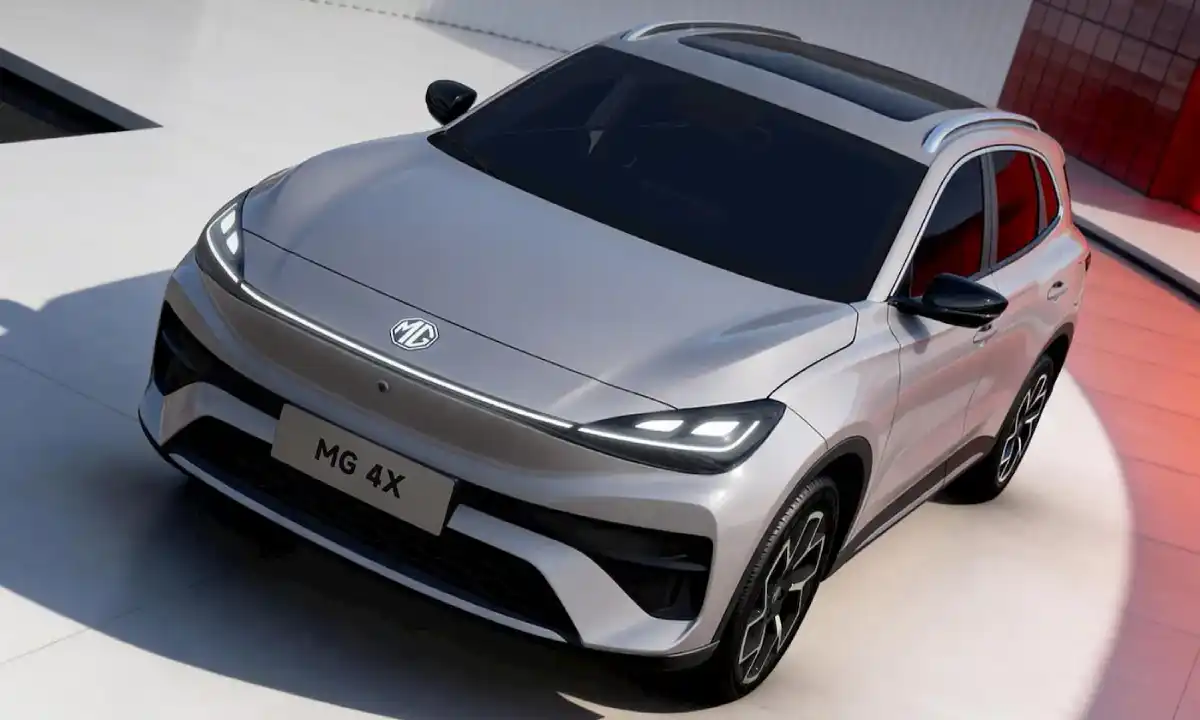
MG Motor has unveiled a new electric SUV called the MG 4X Electric SUV ahead of its official global debut at the upcoming Auto China Show 2026 in Beijing. The newly revealed model is expected to strengthen MG’s growing electric vehicle lineup and may eventually replace the popular MG ZS EV in several markets.
In India, JSW MG Motor India has already built a strong presence in the electric vehicle segment, largely due to the success of the MG Windsor EV and the brand’s innovative Battery-as-a-Service (BaaS) pricing strategy. However, other models like the MG Comet EV and the MG ZS EV have not achieved the same level of commercial success.
Reports suggest that MG may gradually replace both the ZS EV and the Astor with newer models by 2027, and the newly revealed MG 4X could be one of the candidates for that role.
MG 4X Electric SUV Dimensions and Segment Positioning
The MG 4X Electric SUV is positioned as a compact electric crossover within MG’s global MG4 family. Dimensionally, the SUV measures:
Length: 4,395 mm
Width: 1,842 mm
Height: 1,551 mm
Wheelbase: 2,750 mm
With these proportions, the SUV is expected to compete with vehicles such as the BYD Atto 2 in international markets. While the MG 4X is slightly longer and wider, the Atto 2 has a taller body profile.
Within the brand’s lineup, the MG 4X sits below the MG S5 and MG ES5 models, making it an entry-level offering in the MG4 electric SUV family.
Exterior Design and Styling
The design of the MG 4X Electric SUV reflects the brand’s modern electric vehicle styling language. Several elements appear inspired by the design seen on the MG S5 and MG ES5.
At the front, the SUV features a distinctive fascia that includes:
A connected LED light bar
Stylish LED headlamps
Prominent MG logo on the front
Sporty bumper with black highlights
From the side, the vehicle displays a crossover SUV silhouette with a premium touch. Key highlights include:
Chrome window line detailing
Dual-tone machined alloy wheels
Conventional door handles
Charging port placed on the rear-left quarter panel
At the rear, the SUV features connected LED tail lights, which further enhance its modern look.
Interior Details Still Under Wraps
As of now, the interior design of the MG 4X Electric SUV has not been officially revealed. MG is expected to showcase the cabin design during the vehicle’s global debut at the Auto China Show 2026 next month.
However, considering MG’s recent EVs, the SUV is likely to feature:
A large touchscreen infotainment system
A digital driver display
Connected car technology
Advanced driver assistance features
More information about the cabin layout and technology features will become clear once the SUV is officially unveiled.
Battery, Range, and Powertrain
The MG 4X Electric SUV is expected to be powered by a 53.95 kWh battery pack. Some reports suggest that the vehicle may use a semi-solid-state battery, which could offer improved safety and energy efficiency compared to conventional lithium-ion batteries.
According to early estimates, the electric SUV could deliver a driving range of up to 510 km on a single charge based on the CLTC testing cycle.
In terms of performance, the SUV is likely to feature:
Single electric motor
Front-wheel-drive (FWD) configuration
Additional powertrain options could be introduced later depending on the market.
Could MG 4X Launch in India?
Although JSW MG Motor India has not confirmed plans to launch the MG 4X Electric SUV in the Indian market, the vehicle’s size and battery capacity are quite similar to the existing MG ZS EV.
This similarity has sparked speculation that the MG 4X could potentially replace the ZS EV in India in the coming years. If introduced, it could strengthen MG’s electric SUV portfolio and compete in India’s rapidly growing EV segment.
FAQs
What is the battery capacity of the MG 4X Electric SUV?
The MG 4X Electric SUV is expected to feature a 53.95 kWh battery pack.
What is the expected range of the MG 4X Electric SUV?
The SUV could offer a driving range of up to 510 km on a single charge based on the CLTC cycle.
Will the MG 4X Electric SUV launch in India?
There is no official confirmation yet, but reports suggest it could potentially replace the MG ZS EV in India in the future.
What type of powertrain will the MG 4X Electric SUV have?
The vehicle is expected to come with a single electric motor and front-wheel-drive setup.
When will the MG 4X Electric SUV make its global debut?
The SUV will be officially showcased at the Auto China Show 2026 in Beijing.
India’s electric mobility space is growing rapidly, and domestic automaker Tata Motors continues to strengthen its position in the EV market. Over the past few years, the company has introduced several electric models that have played a key role in popularizing EVs among Indian buyers.
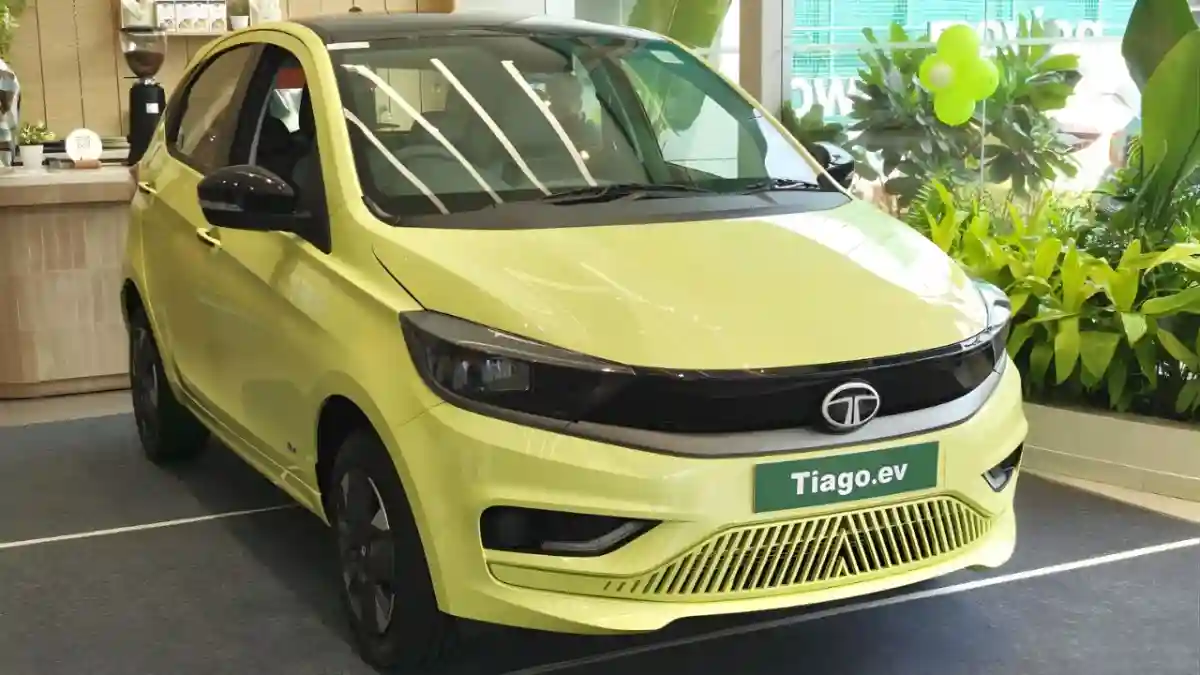
Following the success of models like the Tata Tiago EV and the recently updated Tata Punch EV, the brand now appears to be working on a refreshed version of its affordable electric hatchback. Recent spy images suggest that the upcoming Tata Tiago EV Facelift 2026 has already begun road testing in India.
The Tiago EV has been one of the most budget-friendly electric cars available in the country, making EV ownership accessible to a wider audience. With the facelifted version, Tata is expected to introduce a series of styling updates, improved lighting elements, and potentially enhancements to the battery system.
While the overall silhouette and mechanical foundation of the hatchback are expected to remain largely unchanged, the upcoming updates could help give the car a more modern and premium look. Here is a detailed look at what the refreshed Tiago EV could offer.
Exterior Design Updates
The upcoming facelift is expected to retain the recognizable design language of the current Tiago EV. Instead of a complete redesign, Tata Motors will likely follow its usual strategy of making subtle but noticeable cosmetic improvements during a mid-cycle update.
Spy photographs of the test vehicle show camouflage around certain parts of the car, especially the front and rear sections. This indicates that the key modifications will focus mainly on styling elements such as lighting components, bumper design, and possibly the wheels.
The hatchback will most likely continue with its compact dimensions and practical body shape, which make it ideal for urban driving conditions. However, with refreshed styling cues, the updated model could appear more contemporary and attractive compared to the current version.
These design refinements are aimed at keeping the Tiago EV visually competitive as new electric vehicles continue entering the Indian market.
Revised Headlamp Design
One of the most noticeable changes expected in the facelifted Tiago EV could be in the front lighting setup.
Spy shots suggest that the internal layout of the headlamps has been revised. The LED daytime running lights (DRLs), which are currently positioned lower on the bumper in the existing model, may now be integrated directly into the main headlamp cluster.
This new arrangement is expected to create an eyebrow-style DRL signature above the headlights, a design trend that has become popular in modern vehicles. Such a layout usually gives the front fascia a sharper and more sophisticated look.
Lighting elements play an important role in defining the identity of a vehicle. With these updates, the Tiago EV could gain a more futuristic appearance and improved road presence.
Updated Front Bumper Styling
Another area where changes are expected is the front bumper.
The test mule seen in spy images appears to feature a slightly revised lower air dam compared to the current model. Tata Motors may introduce a new bumper pattern or reshape certain sections to make the front end look sportier.
Although these changes might seem minor at first glance, even small adjustments to the bumper design can significantly influence the overall visual appeal of a car.
For a compact electric hatchback like the Tiago EV, these tweaks could help give it a fresher and more refined character while maintaining the familiar styling that buyers already appreciate.
New Alloy Wheel Design
The facelifted Tiago EV test vehicle has also been spotted running on a new set of wheels.
While the exact design of the alloy wheels is not clearly visible due to camouflage and motion blur, it is quite common for manufacturers to introduce updated wheel designs during a facelift. This helps differentiate the new model from the outgoing version.
A fresh alloy wheel pattern can enhance the side profile of the vehicle and add a more premium touch to its appearance. Even a small visual update in this area can make the car look more modern and appealing.
If Tata introduces redesigned alloys, it could further improve the overall aesthetic balance of the hatchback.
Rear Design Enhancements
The rear section of the Tiago EV could also receive a few styling improvements as part of the facelift.
Industry reports suggest that Tata Motors might update the tail lamp design and possibly add a connected LED light bar across the rear. This design feature has become increasingly common in newer vehicles because it creates a sleek and futuristic look.
A connected light strip not only enhances the visual appeal but also makes the rear of the car appear wider and more premium.
If implemented, this update would give the Tiago EV a more upmarket feel while maintaining its identity as an affordable electric hatchback.
Possible Battery and Performance Improvements
Apart from exterior styling upgrades, the upcoming facelift could also bring some improvements under the skin.
Currently, the Tata Tiago EV is available with two battery pack options that provide sufficient range for daily commuting.
Current Battery Options
Battery Pack
Claimed Driving Range
19.2 kWh
Up to 250 km
24 kWh
Up to 293 km
With the 2026 facelift, Tata Motors may focus on improving battery efficiency or introducing slightly larger battery packs.
The company has already demonstrated its ability to upgrade EV technology with newer models like the Punch EV. Therefore, it would not be surprising if the refreshed Tiago EV benefits from similar improvements.
Even a modest increase in driving range could make the car more attractive to buyers who want a reliable electric vehicle for everyday use without frequent charging stops.
Interior and Feature Expectations
While the spy images mainly highlight exterior changes, the interior of the Tiago EV facelift could also receive minor updates.
Tata might introduce new upholstery materials, refreshed color themes, and possibly updated infotainment software. The current model already offers features such as a touchscreen infotainment system, digital instrument cluster, and connected car technology.
The facelifted model could continue offering these features while improving the overall cabin experience with better materials and updated interface design.
However, major structural changes inside the cabin are unlikely since this is expected to be a mid-cycle refresh rather than an entirely new generation.
Expected Launch Timeline in India
As of now, Tata Motors has not officially announced the launch date for the facelifted Tiago EV.
However, considering the recent test sightings and development activity, the updated model is widely expected to debut in the Indian market sometime in 2026.
Once launched, the new Tiago EV facelift will continue to target the affordable electric car segment, where it already enjoys strong demand.
Its combination of compact size, practical driving range, and competitive pricing has helped the model become a popular option among first-time EV buyers.
Competition in the Affordable EV Segment
The Indian EV market is becoming increasingly competitive as more manufacturers introduce budget-friendly electric vehicles.
In the entry-level electric car space, the Tiago EV currently competes with models such as the MG Comet EV and the Citroen eC3.
With the facelifted version, Tata Motors will aim to maintain its leadership in this segment by offering updated styling, improved features, and potentially better battery performance.
Why the Tiago EV Remains Important for Tata
The Tiago EV has played a crucial role in making electric mobility more accessible to Indian consumers. By offering an electric hatchback at an affordable price point, Tata Motors successfully introduced EV technology to a large number of first-time buyers.
The upcoming facelift is expected to build on this success by keeping the car visually fresh and technologically relevant.
If Tata manages to introduce meaningful upgrades while maintaining competitive pricing, the updated Tiago EV could remain one of the most appealing entry-level electric cars in the Indian market.
Frequently Asked Questions (FAQs)
When will the Tata Tiago EV Facelift launch in India?
The updated Tiago EV is expected to launch sometime in 2026, although the company has not yet confirmed the exact timeline.
What design changes are expected in the Tiago EV facelift?
The facelift could introduce revised headlights, a redesigned bumper, new alloy wheels, and possibly updated tail lamps with a connected LED light bar.
Will the Tiago EV Facelift version get a larger battery?
Tata Motors may improve battery efficiency or introduce slightly larger battery packs to enhance the driving range.
What is the range of the current Tiago EV?
The existing model offers a claimed driving range of up to 293 km depending on the battery variant.
Is the Tiago EV suitable for city driving?
Yes, the compact dimensions, practical range, and easy maneuverability make the Tiago EV well suited for everyday urban commuting.