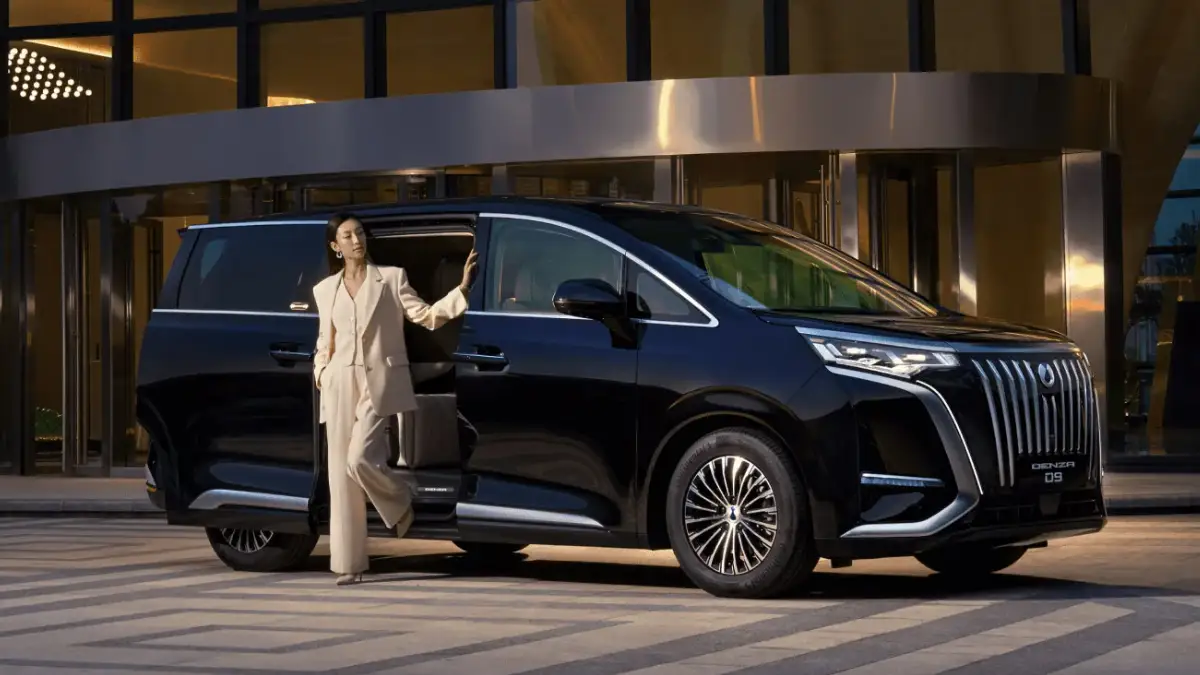
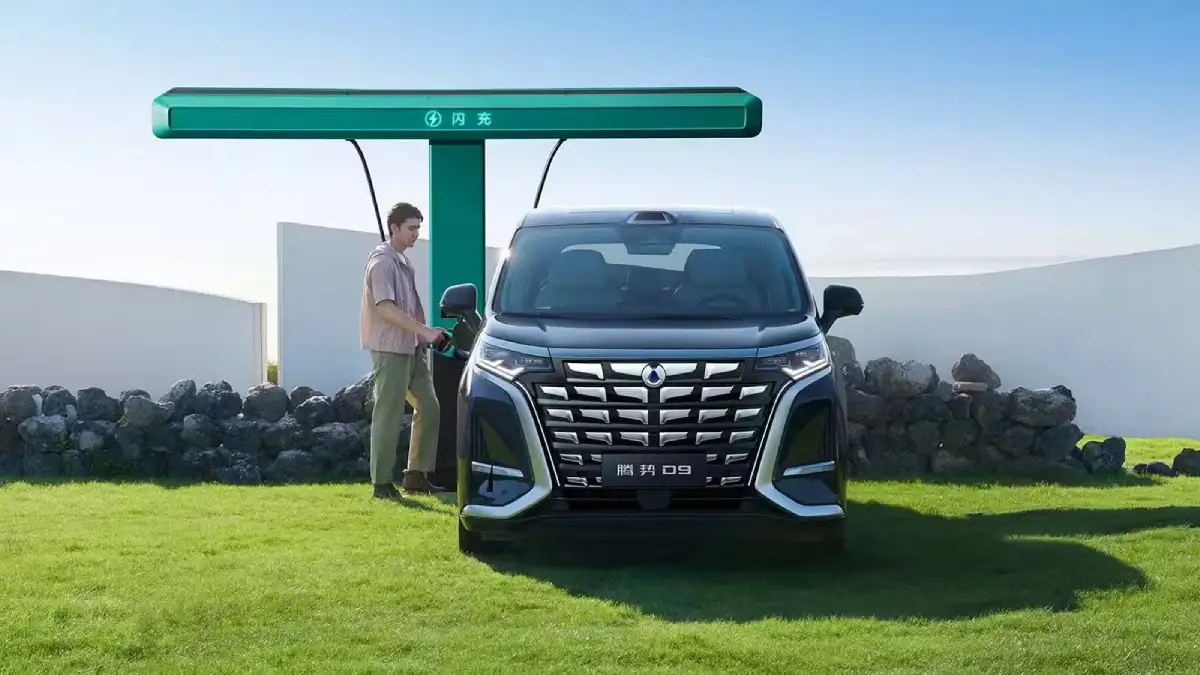
According to a report by CarNewsChina, BYD has officially opened pre-sales for the 2026 Denza D9, introducing significant upgrades in battery technology, charging speed, and in-car features. The premium MPV is available in both plug-in hybrid and pure electric versions, with deliveries expected to begin in April 2026.
Price and Variants
The 2026 Denza D9 is offered in six variants across PHEV and BEV configurations. Pre-sale prices range from 389,800 yuan to 489,800 yuan, making it a competitive offering in the premium MPV segment.
Price and Variants Table
Below is the complete pre-sale pricing table for the 2026 Denza D9 as reported by CarNewsChina:
Variant
Pre-sale Price (Yuan)
Pre-sale Price (USD)
PHEV Flash Premium
389,800
51,500
PHEV Flash Prestige
429,800
56,700
PHEV Flash Flagship
489,800
64,700
EV Flash Premium
389,800
51,500
EV Flash Prestige
429,800
56,700
EV Flash Flagship
489,800
64,700
Source: CarNewsChina
Both hybrid and electric models are available in Premium, Prestige, and Flagship trims, giving buyers flexibility based on performance and feature requirements. Pre-sale customers will also receive 18 months of complimentary flash charging, adding extra value to early bookings.
Exterior Design and Dimensions
The latest Denza D9 brings a refreshed exterior design with a redesigned front grille featuring enhanced chrome detailing for a more premium and layered appearance. The MPV retains its signature long and elegant silhouette with a dual tone body finish.
At the rear, the vehicle stands out with full width arrow shaped LED taillights that create a strong visual identity. In terms of size, the D9 measures 5250 mm in length, 1960 mm in width, and 1900 mm in height, with a generous 3110 mm wheelbase, ensuring ample cabin space.
Interior and Comfort Features
Inside, the Denza D9 offers a highly luxurious and tech focused cabin. The T shaped dashboard layout is complemented by premium materials and multiple digital displays.
Second row passengers benefit from aviation style seats with foldable tables, individual screens, and a roof mounted display for entertainment. Additional control panels integrated into the armrests enhance convenience, making the MPV suitable for both family and executive use. The three row seating layout ensures versatility for different travel needs.
Advanced Driver Assistance System
All variants of the 2026 Denza D9 come equipped with Denza’s God’s Eye 5.0 intelligent driving assistance system. This advanced suite enhances safety and driving convenience across various conditions.
BYD has also confirmed that older Denza D9 models will receive an over the air upgrade to this system, ensuring consistency and long term software support across the lineup.
Powertrain and Performance Options
The Denza D9 offers both plug in hybrid and fully electric powertrains. The PHEV models combine a 1.5T engine with dual electric motors, delivering a balanced mix of efficiency and performance. These variants provide over 400 km of pure electric range and maintain fuel efficiency even when the battery is depleted.
The fully electric versions include a single motor front wheel drive model producing 340 kW and offering a range of up to 750 km. The all wheel drive variant adds a rear motor, increasing total performance and extending range up to 800 km under CLTC standards.
Ultra Fast Charging with Blade Battery 2.0
One of the biggest highlights is the second generation Blade battery technology. This advanced system enables extremely fast charging, allowing the battery to go from 10 percent to 70 percent in just 5 minutes, and up to 97 percent in only 9 minutes.
Even in extreme cold conditions, charging remains efficient, with 20 percent to 97 percent achievable in around 12 minutes at temperatures as low as minus 30 degrees Celsius. Additionally, standard AC charging is reported to be significantly faster than conventional systems.
Conclusion
The 2026 Denza D9 represents a major leap forward in the premium MPV segment, combining cutting edge battery technology, ultra fast charging, and a highly luxurious interior. With strong performance figures, long driving range, and advanced driver assistance features, the new D9 is positioned as a compelling choice for both private buyers and business users.
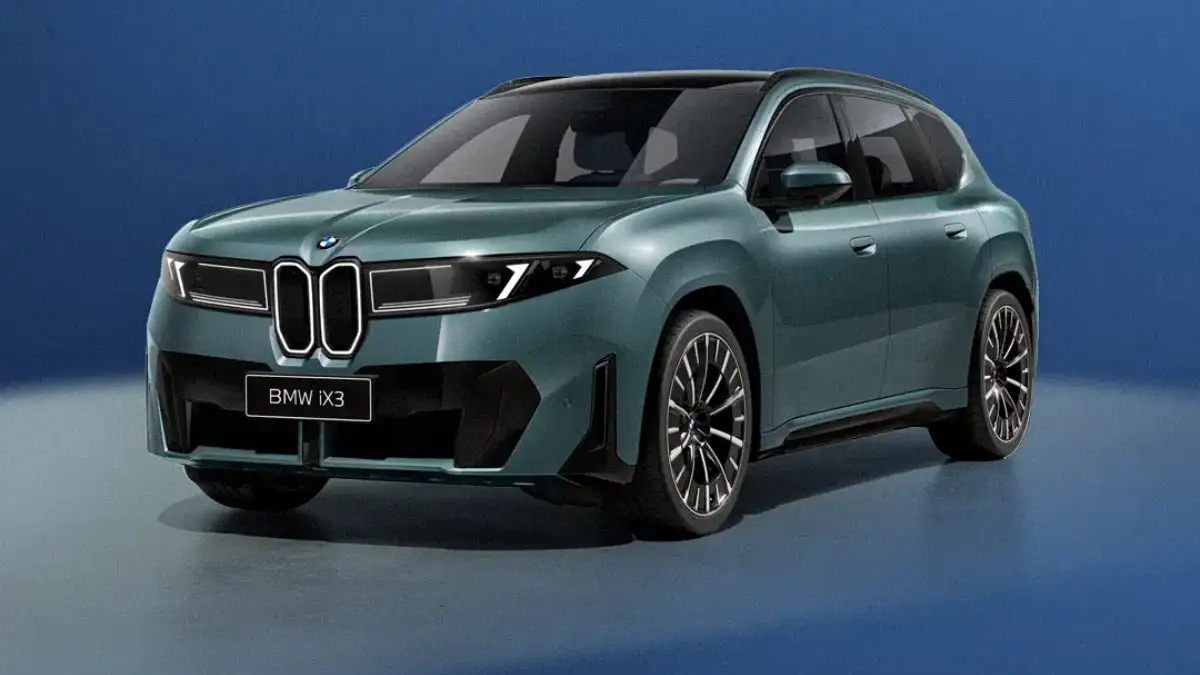
BMW has officially revealed the China-produced iX3 Long Wheelbase electric SUV, confirming its global debut at the 2026 Beijing Auto Show. Designed specifically for the Chinese market, the model is expected to launch in the first half of 2026 with notable upgrades in design, technology, and performance.
Design and Exterior Highlights
The new BMW iX3 Long Wheelbase largely retains the styling of its global counterpart but introduces subtle refinements to enhance its visual appeal. Key highlights include the signature Digital Angel Wing daytime running lights and a striking 3D Luminous Grille that gives the SUV a futuristic presence.
BMW is offering the vehicle in nine exterior colour options, including Mineral White, Arctic Grey, Marina Bay Blue, and Carbon Black. The rear design continues with horizontal L-shaped taillights, while new badging such as Brilliance BMW and iX350L confirms its China-specific production.
Extended Dimensions for Chinese Market
One of the biggest upgrades is the longer wheelbase, now measuring 3005mm, which is significantly extended compared to the global model’s 2895mm. This change is aimed at improving rear seat comfort, a key preference among Chinese buyers.
The overall proportions remain balanced, maintaining the SUV’s premium stance while offering more interior space for passengers.
Advanced Technology and AI Powered Cabin
Inside the cabin, BMW introduces its latest design philosophy with a panoramic integrated sunshade sunroof and a highly digital cockpit experience.
The company has partnered with Alibaba to develop a custom large language model system. This setup integrates DeepSeek AI capabilities and intelligent agents, enhancing in car interactions. Additionally, the system supports HarmonyOS ecosystem features and Huawei HiCar connectivity, ensuring seamless digital integration for users.
Performance and Powertrain Specifications
The BMW iX3 Long Wheelbase is powered by the brand’s sixth generation eDrive technology built on an advanced 800V architecture.
It features a 108kWh battery pack paired with a front asynchronous motor and a rear excited synchronous motor. This dual motor setup delivers an impressive 345kW of power and 645Nm of torque, allowing the SUV to accelerate from 0 to 100 km/h in just 4.9 seconds.
Range and Fast Charging Capability
Efficiency is another strong highlight of the new iX3. The SUV offers a CLTC claimed range of over 900 kilometres, making it one of the longest range electric SUVs in its segment.
Energy consumption is rated at 15.1kWh per 100km. With fast charging support, the vehicle can gain up to 427 kilometres of range in just 10 minutes, thanks to its 800V high voltage system.
Conclusion
The China made BMW iX3 Long Wheelbase represents a significant step forward in BMW’s electric vehicle strategy. With its extended wheelbase, advanced AI driven cabin, powerful dual motor setup, and ultra long range, the SUV is clearly tailored to meet the demands of modern Chinese consumers. Its debut at the Beijing Auto Show 2026 is expected to draw major attention as BMW strengthens its position in the premium electric SUV market.
BYD has officially kicked off pre-sales for the second-generation Denza D9, marking a significant upgrade to its premium MPV lineup. The updated model introduces cutting-edge battery technology, faster charging speeds and enhanced smart driving capabilities. Positioned as a high-end people mover for both business and family use, the new D9 aims to redefine expectations in the electric and hybrid MPV segment.
Advanced Blade Battery and Ultra-Fast Charging
One of the biggest highlights of the new Denza D9 is its second-generation Blade Battery. This upgraded battery technology, developed by BYD, supports flash-charging capabilities that set new industry benchmarks. The MPV can charge from 10 percent to 70 percent in just five minutes, while a near full charge of 97 percent can be achieved in only nine minutes.
This rapid charging performance is expected to significantly reduce downtime, making the D9 highly practical for long-distance travel and commercial usage. Buyers placing orders during the pre-sales phase will also receive 18 months of complimentary flash-charging benefits, adding further value.
Powertrain Options and Driving Range
The second-generation Denza D9 will be offered in both plug-in hybrid and fully electric variants. The PHEV model combines a 1.5-litre turbocharged engine with dual electric motors, delivering a pure electric driving range exceeding 400 kilometres under CLTC standards.
For buyers seeking a fully electric experience, the D9 EV variant comes with both single-motor and dual-motor all-wheel-drive configurations. The top version offers an impressive maximum range of up to 800 kilometres, making it one of the longest-range MPVs currently available.
Dimensions and Premium Design Updates
In terms of size, the Denza D9 maintains its large and commanding presence. It measures 5,250 mm in length, 1,960 mm in width and 1,900 mm in height, with a long 3,110 mm wheelbase that ensures ample cabin space.
The exterior design continues to focus on a business-oriented aesthetic, but the updated model introduces a refreshed diamond-cut front grille that adds a more modern and premium touch. The overall styling strikes a balance between executive sophistication and contemporary appeal.
Smart Driving With God’s Eye 5.0
All variants of the second-generation D9 come equipped with BYD’s latest God’s Eye 5.0 advanced driver assistance system. This intelligent suite enhances safety, convenience and driving comfort, making the MPV suitable for both urban commutes and long highway journeys.
Interestingly, BYD has also confirmed that older Denza D9 models with compatible hardware will receive this new software update, ensuring existing customers are not left behind.
Pricing and Availability
The pre-sales price for the new Denza D9 starts at 389,800 yuan, approximately £44,000, and goes up to 489,800 yuan for the top-end variant. Both the plug-in hybrid and pure electric versions are priced identically across comparable trims, giving customers flexibility without cost differences.
Show units of the MPV are expected to arrive at dealerships across China in April, with deliveries likely to follow soon after.
BYD’s Global Expansion Plans
Alongside the launch of the Denza D9, BYD has reiterated its ambitious global growth strategy. The company is targeting overseas vehicle sales of 1.3 million units by 2026, reflecting a growth rate of around 24 percent.
With advanced products like the Denza D9 and continued innovation in battery technology, BYD is positioning itself as a major global player in the electric mobility space.
Conclusion
The second-generation Denza D9 represents a major leap forward in MPV technology, combining ultra-fast charging, long driving range and advanced smart features. With competitive pricing and premium positioning, the model is set to strengthen BYD’s presence in both domestic and international markets.
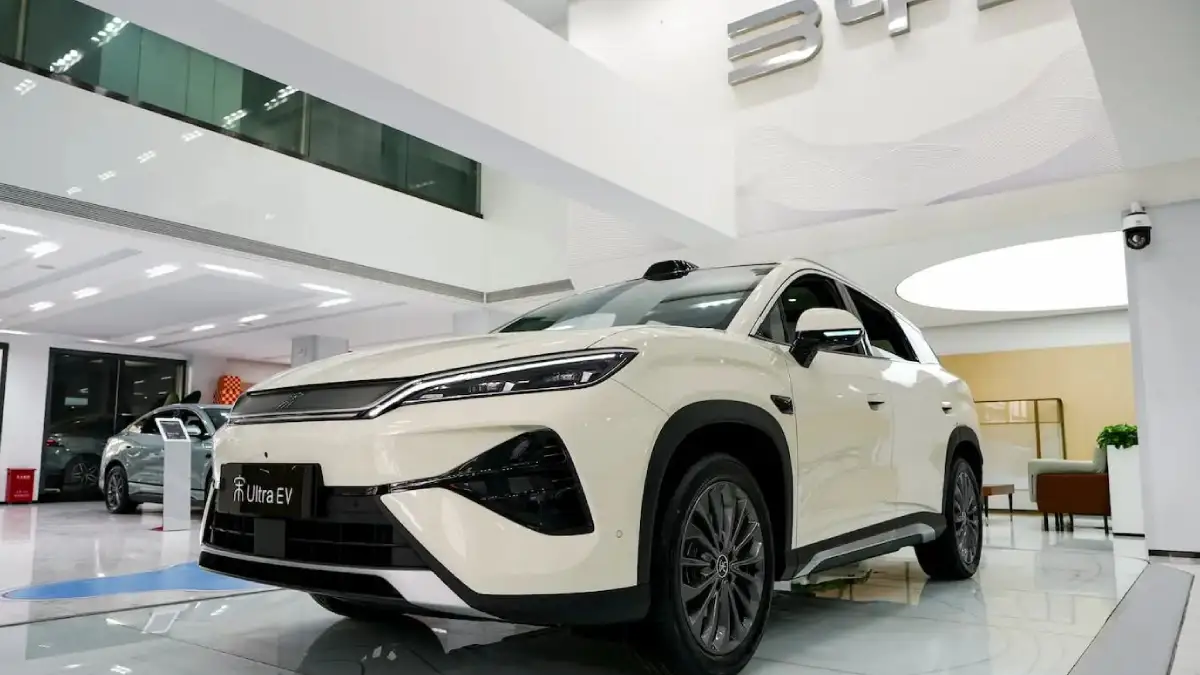
Chinese automaker BYD has officially launched the Song Ultra EV, expanding its electric SUV lineup with aggressive pricing and advanced technology. The SUV is priced between 151,900 yuan and 179,900 yuan, which translates to approximately Rs 20.7 lakh to Rs 24.5 lakh.
The Song Ultra EV directly competes with popular electric SUVs like the Tesla Model Y, Leapmotor C11, Shangjie H5, and XPeng G6. BYD has positioned this model as a value-driven offering with better space, faster charging, and competitive pricing.
Design and Exterior Highlights
The BYD Song Ultra EV is part of the brand’s Dynasty lineup and follows a modern and clean design philosophy. The front fascia features sleek LED headlamps, sharp DRLs, and a closed-off grille typical of electric vehicles. The sculpted bonnet and aerodynamic elements enhance its premium appeal.
From the side, the SUV gets squared wheel arches, 19-inch alloy wheels, flush door handles, and blacked-out pillars. The gently sloping roofline adds a sporty touch while maintaining practicality.
At the rear, the connected LED tail lamps are inspired by traditional Chinese knot design, giving the SUV a distinctive identity. The metallic accents on the bumper further elevate its sporty styling. The SUV is available in multiple color options including Fire Gray, Snow White, Smoky Purple, Galaxy Beige, Palm Green, and Obsidian Black.
Dimensionally, the Song Ultra EV measures 4,850 mm in length, 1,910 mm in width, and 1,670 mm in height, with a wheelbase of 2,840 mm. It offers a boot space of 730 litres, expandable to 1,659 litres, along with a 150-litre front trunk.
Interior, Features and Technology
Inside the cabin, the Song Ultra EV offers a tech-rich and comfortable environment. It comes equipped with a 10.25-inch digital instrument cluster, a large 15.6-inch touchscreen infotainment system, and an impressive 26-inch head-up display powered by BYD’s UI 7.0 system.
Comfort features include ventilated and heated front seats, a 10-point massage function, and an 8-way electrically adjustable driver seat. The SUV also gets ambient lighting, premium soft-touch materials, and a column-mounted electronic gear shifter.
One standout feature is the ‘bed mode’, which allows the seats to fold flat into a 1.8-meter surface, making it ideal for long journeys or rest stops. Rear passengers benefit from generous legroom and flexible seat configurations.
Safety is well covered with seven airbags and advanced driver assistance systems. The optional DiPilot 300 system, equipped with LiDAR and 27 sensors, supports autonomous features like city navigation assist, highway driving assist, and automated parking.
Performance, Range and Charging
The BYD Song Ultra EV is offered with two battery pack options: 68.4 kWh and 82.7 kWh. The smaller battery delivers a range of up to 620 km, while the larger pack offers an impressive range of up to 710 km on a full charge.
Performance is equally strong, with power outputs of 240 kW and 270 kW depending on the variant. All versions are rear-wheel drive and produce 305 Nm of torque, with a top speed of 210 km/h.
A major highlight is BYD’s Blade Battery 2.0 technology, which enables ultra-fast charging. The SUV can charge from 10% to 70% in just 5 minutes, and from 10% to 97% in approximately 9 minutes, setting a new benchmark in the EV segment.
New BYD Song Ultra EV Variant
Price (Yuan)
Price (INR)
Range (CLTC)
Battery (kWh)
Power (kW)
605 km Leading RWD
1,51,900
20,81,030
620 km
68.4
240
605 km Transcend RWD
1,59,900
21,90,630
620 km
68.4
240
710 km Transcend RWD
1,69,900
23,27,630
710 km
82.7
270
710 km Excellence RWD
1,79,900
24,64,630
710 km
82.7
270
Overall Positioning and Market Impact
The BYD Song Ultra EV stands out as a well-rounded electric SUV offering long range, cutting-edge technology, and extremely fast charging at a competitive price point. With its combination of practicality, performance, and innovation, it is expected to make a strong impact in the global EV market.
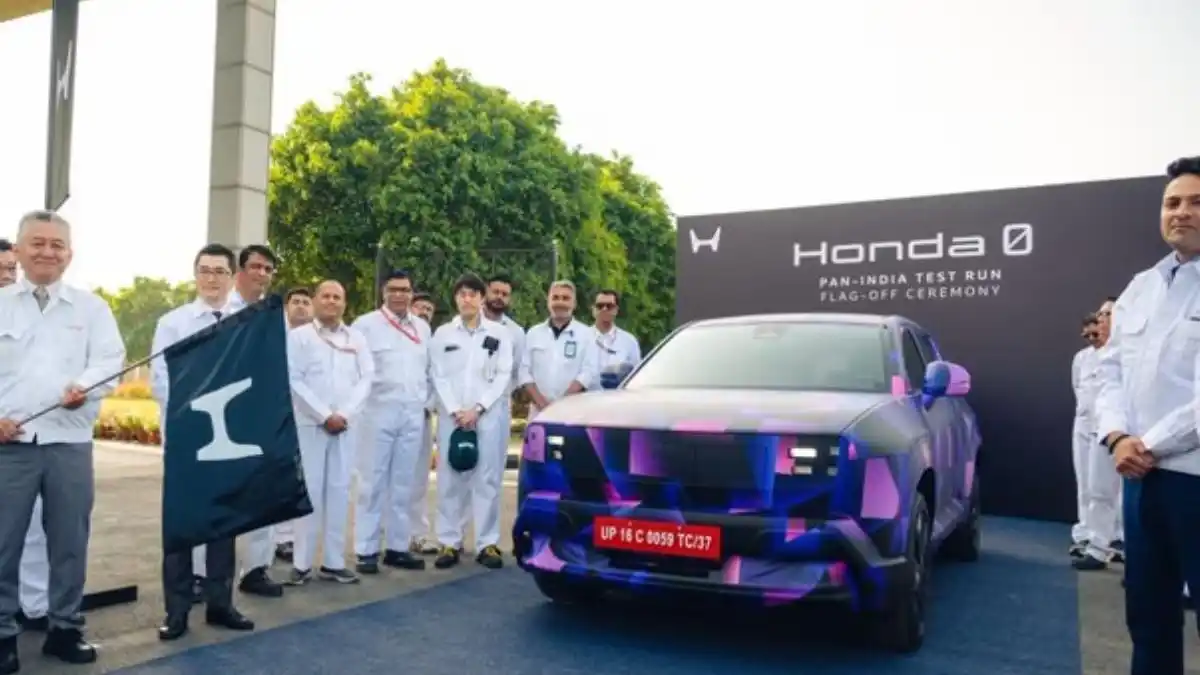
Japanese automaker Honda is preparing to enter the Indian electric vehicle market with its first electric SUV. The company has officially started testing the upcoming EV on Indian roads, signaling a major step in its electrification strategy for the country. Once launched, the new electric SUV is expected to compete directly with popular EV models from Tata Motors.
Electric SUV Testing Starts in India
The testing program has begun from Honda’s Tapukara plant in Rajasthan. Under this program, the SUV will be driven across various road conditions across India to evaluate its real-world performance.
Engineers will test the vehicle on highways, city roads, and rough terrains to understand how well it adapts to Indian driving conditions. During these trials, the engineering team will focus on several critical aspects including durability, handling, ride comfort, efficiency, and overall reliability.
Extreme Heat and Monsoon Testing Planned
India’s climate and road infrastructure present unique challenges for vehicles. To ensure the SUV performs reliably in all conditions, Honda will also test the electric vehicle during extreme summer heat as well as the monsoon season.
Additionally, the company will analyze charging performance across different charging infrastructures available in the country. This step is important to confirm that the electric SUV is practical for everyday use in India.
Prototype Earlier Revealed at Japan Mobility Show
The concept version of this electric vehicle was previously showcased as Honda 0 α at the Japan Mobility Show 2025. The current testing phase is believed to be part of the development process for the production version intended for the Indian market.
According to Takashi Nakajima, the public road testing program across India marks a significant milestone in Honda’s electrification journey. He stated that India’s weather and driving environments are very different from other markets, making real-world testing essential for developing reliable electric vehicles.
The company aims to deliver an electric SUV that offers dependable performance, comfort, and ease of driving for customers.
Expected Launch Timeline
Honda’s upcoming electric SUV is being designed with urban mobility and lifestyle-focused driving in mind. As per the company’s plan, the model is expected to launch in the financial year 2026-27.
Initially, the SUV will be introduced in major markets such as India and Japan. Notably, the vehicle will be manufactured in India and will also be exported to other international markets.
Honda’s upcoming electric SUV will play a crucial role in the company’s EV strategy in India. With public road testing now underway, more details about its design, features, and specifications are likely to emerge in the coming months.
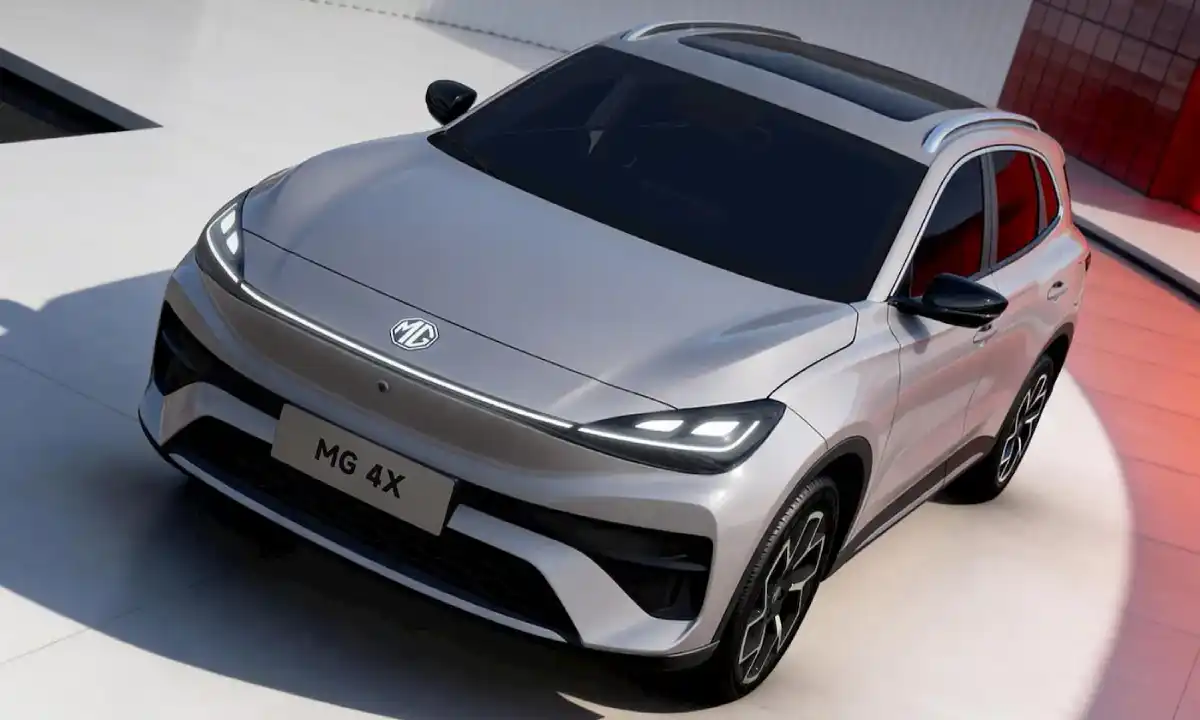
MG Motor has unveiled a new electric SUV called the MG 4X Electric SUV ahead of its official global debut at the upcoming Auto China Show 2026 in Beijing. The newly revealed model is expected to strengthen MG’s growing electric vehicle lineup and may eventually replace the popular MG ZS EV in several markets.
In India, JSW MG Motor India has already built a strong presence in the electric vehicle segment, largely due to the success of the MG Windsor EV and the brand’s innovative Battery-as-a-Service (BaaS) pricing strategy. However, other models like the MG Comet EV and the MG ZS EV have not achieved the same level of commercial success.
Reports suggest that MG may gradually replace both the ZS EV and the Astor with newer models by 2027, and the newly revealed MG 4X could be one of the candidates for that role.
MG 4X Electric SUV Dimensions and Segment Positioning
The MG 4X Electric SUV is positioned as a compact electric crossover within MG’s global MG4 family. Dimensionally, the SUV measures:
Length: 4,395 mm
Width: 1,842 mm
Height: 1,551 mm
Wheelbase: 2,750 mm
With these proportions, the SUV is expected to compete with vehicles such as the BYD Atto 2 in international markets. While the MG 4X is slightly longer and wider, the Atto 2 has a taller body profile.
Within the brand’s lineup, the MG 4X sits below the MG S5 and MG ES5 models, making it an entry-level offering in the MG4 electric SUV family.
Exterior Design and Styling
The design of the MG 4X Electric SUV reflects the brand’s modern electric vehicle styling language. Several elements appear inspired by the design seen on the MG S5 and MG ES5.
At the front, the SUV features a distinctive fascia that includes:
A connected LED light bar
Stylish LED headlamps
Prominent MG logo on the front
Sporty bumper with black highlights
From the side, the vehicle displays a crossover SUV silhouette with a premium touch. Key highlights include:
Chrome window line detailing
Dual-tone machined alloy wheels
Conventional door handles
Charging port placed on the rear-left quarter panel
At the rear, the SUV features connected LED tail lights, which further enhance its modern look.
Interior Details Still Under Wraps
As of now, the interior design of the MG 4X Electric SUV has not been officially revealed. MG is expected to showcase the cabin design during the vehicle’s global debut at the Auto China Show 2026 next month.
However, considering MG’s recent EVs, the SUV is likely to feature:
A large touchscreen infotainment system
A digital driver display
Connected car technology
Advanced driver assistance features
More information about the cabin layout and technology features will become clear once the SUV is officially unveiled.
Battery, Range, and Powertrain
The MG 4X Electric SUV is expected to be powered by a 53.95 kWh battery pack. Some reports suggest that the vehicle may use a semi-solid-state battery, which could offer improved safety and energy efficiency compared to conventional lithium-ion batteries.
According to early estimates, the electric SUV could deliver a driving range of up to 510 km on a single charge based on the CLTC testing cycle.
In terms of performance, the SUV is likely to feature:
Single electric motor
Front-wheel-drive (FWD) configuration
Additional powertrain options could be introduced later depending on the market.
Could MG 4X Launch in India?
Although JSW MG Motor India has not confirmed plans to launch the MG 4X Electric SUV in the Indian market, the vehicle’s size and battery capacity are quite similar to the existing MG ZS EV.
This similarity has sparked speculation that the MG 4X could potentially replace the ZS EV in India in the coming years. If introduced, it could strengthen MG’s electric SUV portfolio and compete in India’s rapidly growing EV segment.
FAQs
What is the battery capacity of the MG 4X Electric SUV?
The MG 4X Electric SUV is expected to feature a 53.95 kWh battery pack.
What is the expected range of the MG 4X Electric SUV?
The SUV could offer a driving range of up to 510 km on a single charge based on the CLTC cycle.
Will the MG 4X Electric SUV launch in India?
There is no official confirmation yet, but reports suggest it could potentially replace the MG ZS EV in India in the future.
What type of powertrain will the MG 4X Electric SUV have?
The vehicle is expected to come with a single electric motor and front-wheel-drive setup.
When will the MG 4X Electric SUV make its global debut?
The SUV will be officially showcased at the Auto China Show 2026 in Beijing.
India’s electric mobility space is growing rapidly, and domestic automaker Tata Motors continues to strengthen its position in the EV market. Over the past few years, the company has introduced several electric models that have played a key role in popularizing EVs among Indian buyers.
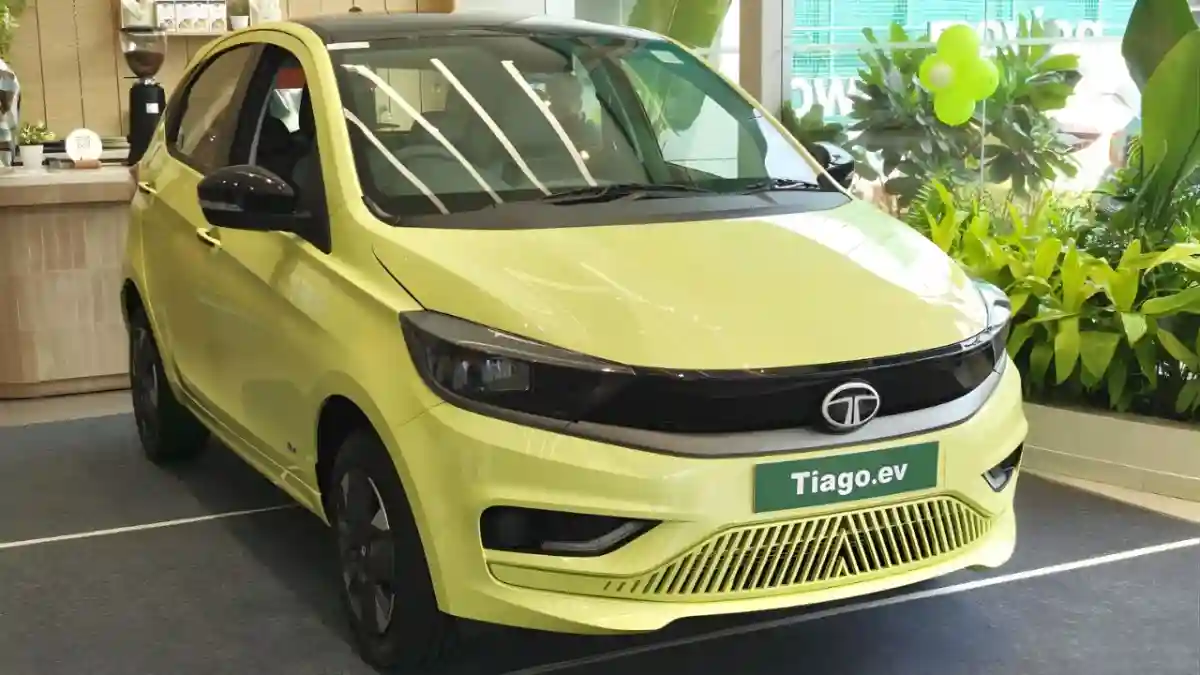
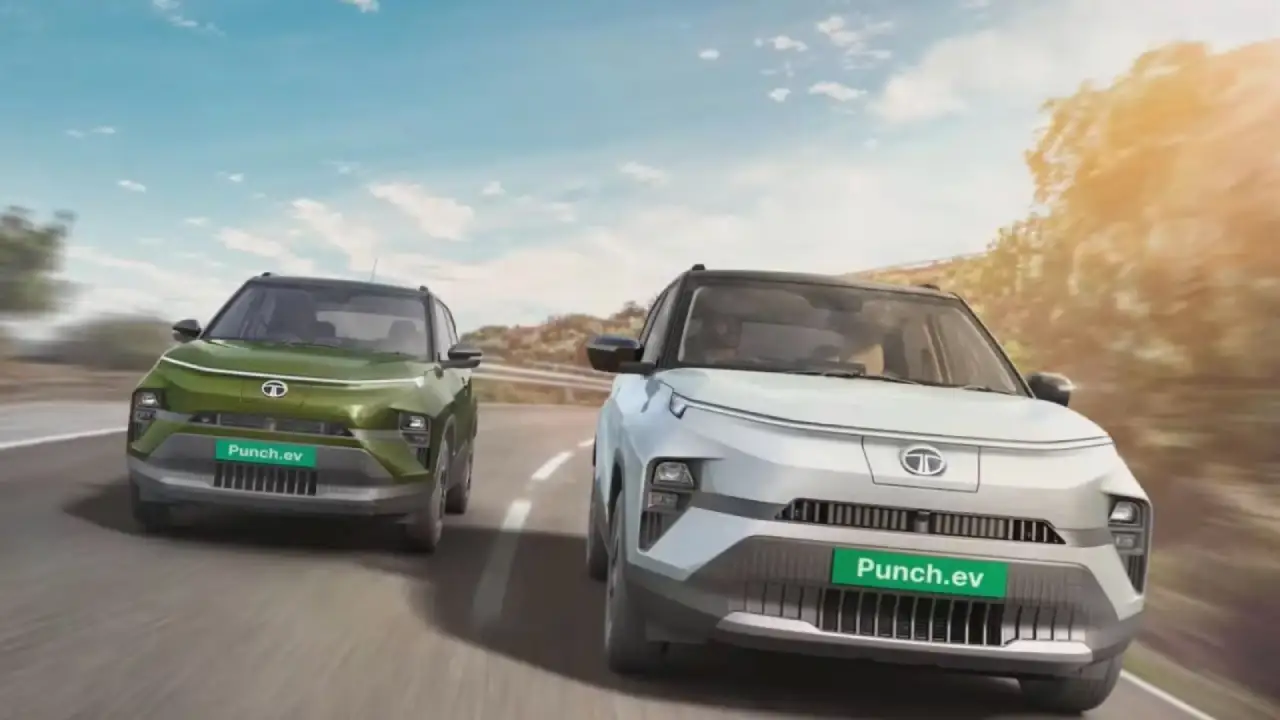
Following the success of models like the Tata Tiago EV and the recently updated Tata Punch EV, the brand now appears to be working on a refreshed version of its affordable electric hatchback. Recent spy images suggest that the upcoming Tata Tiago EV Facelift 2026 has already begun road testing in India.
The Tiago EV has been one of the most budget-friendly electric cars available in the country, making EV ownership accessible to a wider audience. With the facelifted version, Tata is expected to introduce a series of styling updates, improved lighting elements, and potentially enhancements to the battery system.
While the overall silhouette and mechanical foundation of the hatchback are expected to remain largely unchanged, the upcoming updates could help give the car a more modern and premium look. Here is a detailed look at what the refreshed Tiago EV could offer.
Exterior Design Updates
The upcoming facelift is expected to retain the recognizable design language of the current Tiago EV. Instead of a complete redesign, Tata Motors will likely follow its usual strategy of making subtle but noticeable cosmetic improvements during a mid-cycle update.
Spy photographs of the test vehicle show camouflage around certain parts of the car, especially the front and rear sections. This indicates that the key modifications will focus mainly on styling elements such as lighting components, bumper design, and possibly the wheels.
The hatchback will most likely continue with its compact dimensions and practical body shape, which make it ideal for urban driving conditions. However, with refreshed styling cues, the updated model could appear more contemporary and attractive compared to the current version.
These design refinements are aimed at keeping the Tiago EV visually competitive as new electric vehicles continue entering the Indian market.
Revised Headlamp Design
One of the most noticeable changes expected in the facelifted Tiago EV could be in the front lighting setup.
Spy shots suggest that the internal layout of the headlamps has been revised. The LED daytime running lights (DRLs), which are currently positioned lower on the bumper in the existing model, may now be integrated directly into the main headlamp cluster.
This new arrangement is expected to create an eyebrow-style DRL signature above the headlights, a design trend that has become popular in modern vehicles. Such a layout usually gives the front fascia a sharper and more sophisticated look.
Lighting elements play an important role in defining the identity of a vehicle. With these updates, the Tiago EV could gain a more futuristic appearance and improved road presence.
Updated Front Bumper Styling
Another area where changes are expected is the front bumper.
The test mule seen in spy images appears to feature a slightly revised lower air dam compared to the current model. Tata Motors may introduce a new bumper pattern or reshape certain sections to make the front end look sportier.
Although these changes might seem minor at first glance, even small adjustments to the bumper design can significantly influence the overall visual appeal of a car.
For a compact electric hatchback like the Tiago EV, these tweaks could help give it a fresher and more refined character while maintaining the familiar styling that buyers already appreciate.
New Alloy Wheel Design
The facelifted Tiago EV test vehicle has also been spotted running on a new set of wheels.
While the exact design of the alloy wheels is not clearly visible due to camouflage and motion blur, it is quite common for manufacturers to introduce updated wheel designs during a facelift. This helps differentiate the new model from the outgoing version.
A fresh alloy wheel pattern can enhance the side profile of the vehicle and add a more premium touch to its appearance. Even a small visual update in this area can make the car look more modern and appealing.
If Tata introduces redesigned alloys, it could further improve the overall aesthetic balance of the hatchback.
Rear Design Enhancements
The rear section of the Tiago EV could also receive a few styling improvements as part of the facelift.
Industry reports suggest that Tata Motors might update the tail lamp design and possibly add a connected LED light bar across the rear. This design feature has become increasingly common in newer vehicles because it creates a sleek and futuristic look.
A connected light strip not only enhances the visual appeal but also makes the rear of the car appear wider and more premium.
If implemented, this update would give the Tiago EV a more upmarket feel while maintaining its identity as an affordable electric hatchback.
Possible Battery and Performance Improvements
Apart from exterior styling upgrades, the upcoming facelift could also bring some improvements under the skin.
Currently, the Tata Tiago EV is available with two battery pack options that provide sufficient range for daily commuting.
Current Battery Options
Battery Pack
Claimed Driving Range
19.2 kWh
Up to 250 km
24 kWh
Up to 293 km
With the 2026 facelift, Tata Motors may focus on improving battery efficiency or introducing slightly larger battery packs.
The company has already demonstrated its ability to upgrade EV technology with newer models like the Punch EV. Therefore, it would not be surprising if the refreshed Tiago EV benefits from similar improvements.
Even a modest increase in driving range could make the car more attractive to buyers who want a reliable electric vehicle for everyday use without frequent charging stops.
Interior and Feature Expectations
While the spy images mainly highlight exterior changes, the interior of the Tiago EV facelift could also receive minor updates.
Tata might introduce new upholstery materials, refreshed color themes, and possibly updated infotainment software. The current model already offers features such as a touchscreen infotainment system, digital instrument cluster, and connected car technology.
The facelifted model could continue offering these features while improving the overall cabin experience with better materials and updated interface design.
However, major structural changes inside the cabin are unlikely since this is expected to be a mid-cycle refresh rather than an entirely new generation.
Expected Launch Timeline in India
As of now, Tata Motors has not officially announced the launch date for the facelifted Tiago EV.
However, considering the recent test sightings and development activity, the updated model is widely expected to debut in the Indian market sometime in 2026.
Once launched, the new Tiago EV facelift will continue to target the affordable electric car segment, where it already enjoys strong demand.
Its combination of compact size, practical driving range, and competitive pricing has helped the model become a popular option among first-time EV buyers.
Competition in the Affordable EV Segment
The Indian EV market is becoming increasingly competitive as more manufacturers introduce budget-friendly electric vehicles.
In the entry-level electric car space, the Tiago EV currently competes with models such as the MG Comet EV and the Citroen eC3.
With the facelifted version, Tata Motors will aim to maintain its leadership in this segment by offering updated styling, improved features, and potentially better battery performance.
Why the Tiago EV Remains Important for Tata
The Tiago EV has played a crucial role in making electric mobility more accessible to Indian consumers. By offering an electric hatchback at an affordable price point, Tata Motors successfully introduced EV technology to a large number of first-time buyers.
The upcoming facelift is expected to build on this success by keeping the car visually fresh and technologically relevant.
If Tata manages to introduce meaningful upgrades while maintaining competitive pricing, the updated Tiago EV could remain one of the most appealing entry-level electric cars in the Indian market.
Frequently Asked Questions (FAQs)
When will the Tata Tiago EV Facelift launch in India?
The updated Tiago EV is expected to launch sometime in 2026, although the company has not yet confirmed the exact timeline.
What design changes are expected in the Tiago EV facelift?
The facelift could introduce revised headlights, a redesigned bumper, new alloy wheels, and possibly updated tail lamps with a connected LED light bar.
Will the Tiago EV Facelift version get a larger battery?
Tata Motors may improve battery efficiency or introduce slightly larger battery packs to enhance the driving range.
What is the range of the current Tiago EV?
The existing model offers a claimed driving range of up to 293 km depending on the battery variant.
Is the Tiago EV suitable for city driving?
Yes, the compact dimensions, practical range, and easy maneuverability make the Tiago EV well suited for everyday urban commuting.
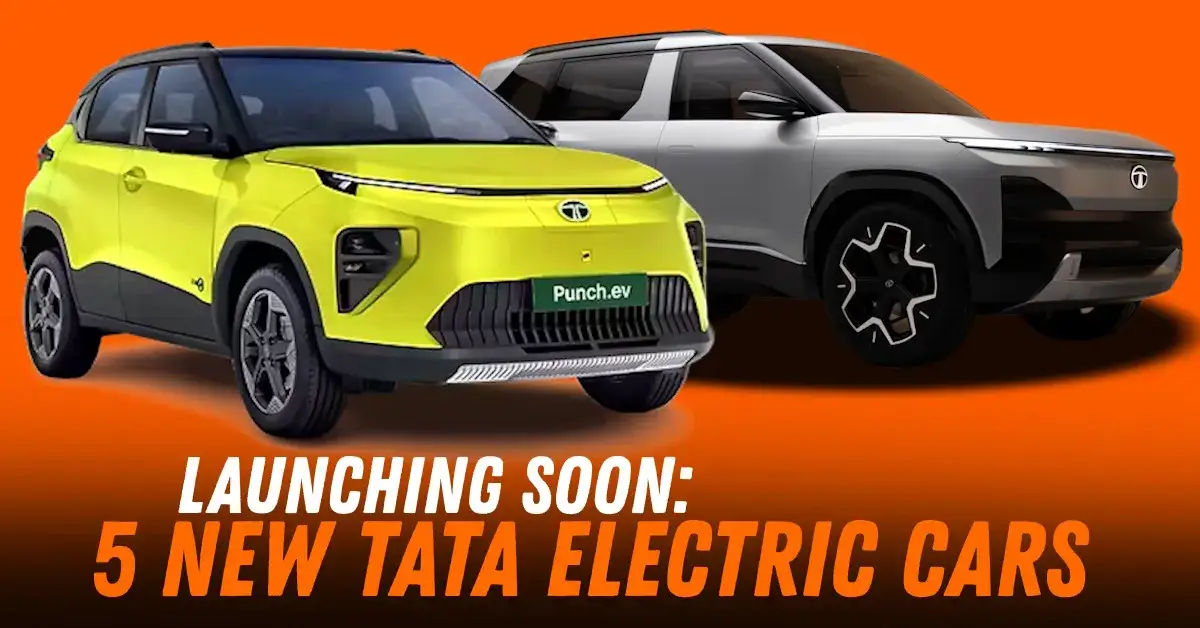
Tata Motors, India’s leading electric vehicle (EV) maker, is gearing up for a major push in 2026 with five new electric vehicles — ranging from refreshed city EVs to all-new SUVs and premium models. These launches aim to broaden Tata’s EV lineup across multiple price points and segments, reinforcing its leadership in the rapidly growing Indian electric car market.
1. Tata Punch EV Facelift
The Tata Punch EV facelift is first in line for launch on 20 February 2026, bringing updated exterior styling, subtle cosmetic changes, and possibly a choice of larger battery options compared to the current model. The refreshed Punch EV will continue to compete in the popular electric micro-SUV segment, building on the success of the original Punch EV.
2. Tata Tiago EV Facelift
Tata’s Tiago EV, a compact electric hatchback, is also slated for a mid-2026 facelift. The updated Tiago EV will likely offer cosmetic tweaks, refreshed styling, and modest interior upgrades while retaining its role as an affordable electric city car. This facelift aims to keep the Tiago EV fresh in one of India’s most competitive segments.
3. Tata Sierra EV
One of the most-anticipated launches is the Tata Sierra EV, the all-electric version of the recently revived Sierra SUV. Expected by mid-2026, the Sierra EV is likely to feature electric-specific design cues and multiple battery options, including larger packs that could deliver strong range and performance. As an electric SUV with a familiar nameplate, it’s poised to attract buyers looking for style, tech, and EV practicality.
4. Tata Safari EV
Tata Motors will also electrify its seven-seat Safari SUV with an all-electric variant. The Safari EV is expected to share its platform and powertrain layout with other Tata EVs like the Harrier EV, offering spacious interiors and family-friendly utility while embracing zero-emission driving.
5. Tata Avinya (Premium Electric SUV)
At the top end of Tata’s electric roadmap is Avinya, a new premium EV slated for launch by late 2026. Built on advanced EV architecture and positioned above Tata’s mainstream models, Avinya is designed to deliver a blend of upscale features, long range, and cutting-edge technology — marking Tata’s entry into the luxury EV segment.
Final Words
Together, these five electric vehicles reflect Tata Motors’ strategy to cover a wide spectrum of the EV market — from affordable city hatchbacks and compact SUVs to premium electric offerings — in 2026. This ambitious lineup underscores Tata’s commitment to advancing electric mobility in India and catering to diverse customer needs as EV adoption accelerates nationwide.
New Delhi, February 15, 2026 – Tata Motors is all set to redefine the electric vehicle landscape in India. Ahead of its official launch on February 20, the upcoming Tata Punch EV facelift has made headlines by achieving a staggering real-world range of 593.6 kilometres on a single charge.
This record-breaking feat was achieved during an endurance test conducted from Jaipur to Udaipur, which eventually extended into Gujarat as the battery refused to give up. This performance suggests that the Tata Punch EV is no longer just about city commutes but is now fully capable of long-distance interstate travel.
The Epic 600 KM Range Test: How It Happened
The test began in Jaipur with a goal to reach Udaipur, a distance of approximately 400 km. However, upon reaching Udaipur, the vehicle still had a surprising 34% charge remaining. The journey was then continued toward Gujarat, finally coming to a halt at Himatnagar.
Test Parameter
Details
Start Point
Jaipur, Rajasthan
End Point
Himatnagar, Gujarat
Total Distance Covered
593.6 km
Efficiency Rating
66 Wh/km (at Bhilwara)
Driving Conditions
Relaxed Highway Driving (Hypermiling)
Ambient Temp
~30 Degrees Celsius
What’s Behind the Improved Tata Punch EV Range?
While official specifications are still under wraps, the facelifted model is expected to feature a significantly upgraded battery pack.
New Battery Tech: Tata is likely using a high-density LFP (Lithium Iron Phosphate) battery pack. While the official ARAI range might be around 425 km, the real-world efficiency shown in this test (66 Wh/km) proves that with a light foot, the car can far exceed expectations.
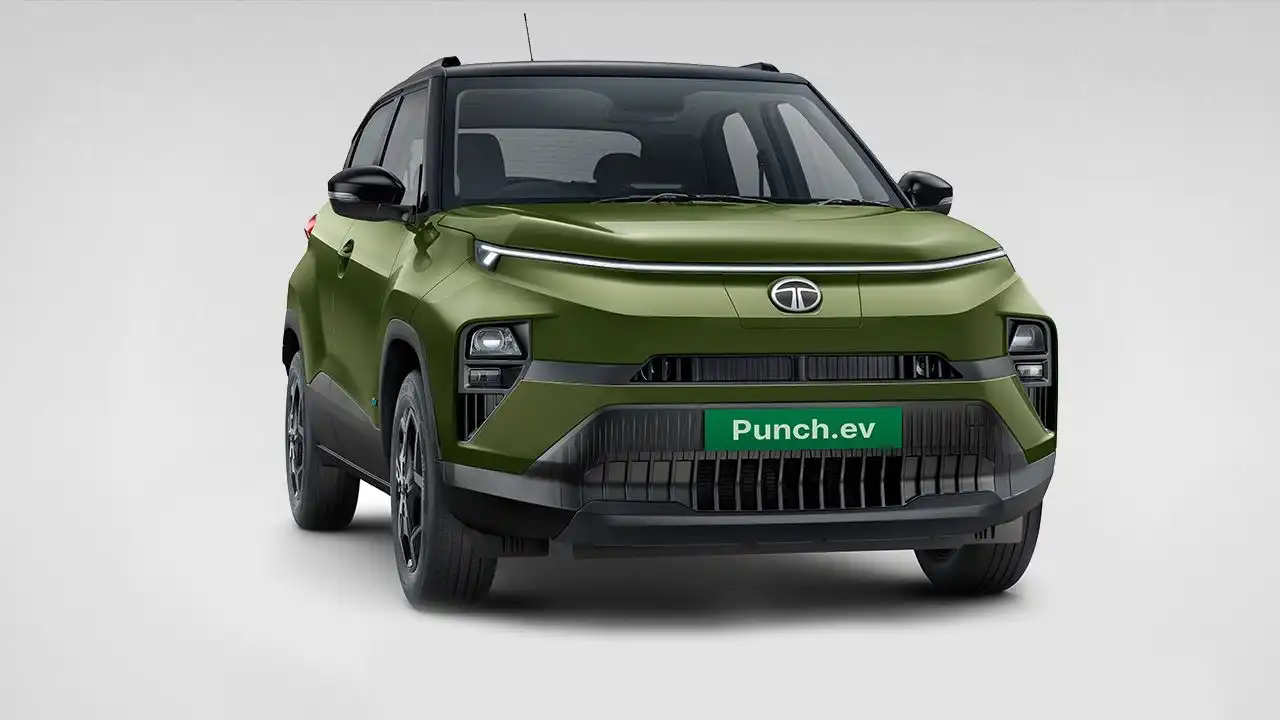
Aero Improvements: The 2026 facelift features a revised front fascia with a cleaner “faux grille” and a concave functional grille, designed to slice through the air more efficiently, further boosting the Tata Punch EV range.
Key Features of the 2026 Tata Punch EV Facelift
The upcoming model isn’t just about range; it’s a tech-loaded powerhouse.
High-Tech Cabin: It comes equipped with twin 10.25-inch screens (one for the digital cluster and one for the HD touchscreen infotainment).
Premium Comfort: Ventilated front seats, an electric sunroof, and a wireless smartphone charger.
Safety First: A 360-degree camera system and a Blind Spot View Monitor ensure a secure driving experience.
Updated Styling: A chunkier skid plate at the rear and a new connected light strip between the combination lamps give it a futuristic SUV look.
The Verdict
The current pre-facelift Punch EV offers two variants with 25 kWh and 35 kWh batteries, delivering official ranges of 265 km and 365 km respectively. However, this new test indicates that the Tata Punch EV range is taking a massive leap forward.
By achieving nearly 600 km in real-world hypermiling conditions, Tata Motors has sent a clear message to its competitors: the “Range Anxiety” era is officially over. Stay tuned for the official price announcement on February 20, 2026.
The Tata Punch EV has quickly emerged as a game-changer in the Indian electric vehicle market. Built on the advanced acti.ev platform, it isn’t just a regular Punch with a battery; it’s a purpose-built electric SUV. However, for any EV buyer, the most critical question remains: What is the Tata Punch EV range?
Whether you are a city commuter or a weekend traveler, understanding the difference between the claimed range and real-world performance is vital.
Tata Punch EV Range: Battery Options
Tata Motors offers the Punch EV in two distinct versions to cater to different driving needs. The Tata Punch EV range varies significantly depending on the battery pack you choose.
Battery Pack
ARAI Certified Range
Ideal Use Case
25 kWh (Standard)
315 km
Daily city commutes and errands.
35 kWh (Long Range)
421 km
Inter-city travel and long highway drives.
Real-World Range vs. Claimed Range
While the ARAI certification suggests up to 421 km, real-world conditions often differ. Factors like traffic, air conditioning usage, and driving modes (Eco, City, Sport) play a massive role.
Standard Range (25 kWh): In typical Indian city traffic with moderate AC, you can expect a real-world range of approximately 200–220 km.
Long Range (35 kWh): On highway runs or mixed driving conditions, users have reported a reliable real-world range of 280–300 km.
Note: A recent hypermiling test of the upcoming 2026 Facelift model reportedly achieved nearly 590 km, sparking rumors of an even larger 45 kWh battery pack in the works.
Charging Times: Back on the Road Quickly
The Tata Punch EV range is supported by versatile charging solutions that minimize “range anxiety.”
50 kW DC Fast Charger: The most efficient way to charge, taking the battery from 10% to 80% in just 56 minutes.
7.2 kW AC Fast Charger: Ideal for home or office, providing a full charge in roughly 5 hours for the Long Range variant.
15A Home Socket: A standard 3-pin plug can charge the car overnight (approx. 9–13 hours).
Key Features Boosting Efficiency
The Punch EV utilizes smart technology to maximize every kilowatt-hour:
Multi-Mode Regeneration: Users can choose from 4 levels of “regen” braking, which pumps energy back into the battery every time you lift off the accelerator.
Aerodynamic Design: The closed-off grille and aero-designed alloy wheels reduce drag, helping maintain the Tata Punch EV range at higher speeds.
Eco Mode: This mode optimizes power delivery to ensure you get the maximum possible distance out of a single charge.
The Verdict
With a starting price of ₹9.99 Lakh (ex-showroom), the Tata Punch EV offers one of the best “range-to-rupee” ratios in India. If your daily running is under 50 km, the Standard Range is a steal. However, for those looking to replace their primary petrol car, the Long Range (421 km) variant provides the peace of mind needed for longer journeys.