Category: Electric Vehicle

  • Chery Fulwin A9 Wagon Debuts At Beijing Auto Show – 700 km Range, 800V Charging

    Chery Fulwin A9 Wagon Debuts At Beijing Auto Show – 700 km Range, 800V Charging

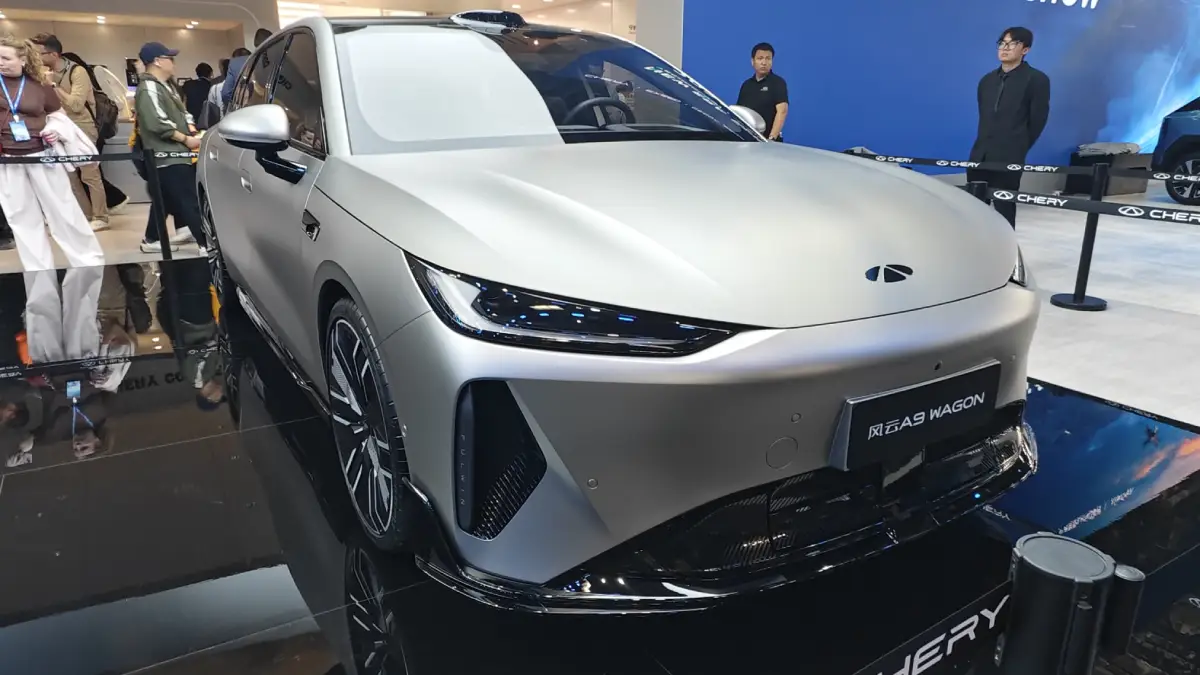
    Chery has showcased the Fulwin A9 Wagon at the 2026 Beijing Auto Show, expanding its EV portfolio with a new body style. Based on the A9 electric sedan, the wagon version adopts a shooting-brake design, aiming to combine practicality with performance.

    This move marks Chery’s entry into the emerging electric wagon segment, currently seeing limited but growing competition.

    Shooting-Brake Design With Extended Practicality

    The Fulwin A9 Wagon retains the overall design language of the sedan but adds an extended rear section for improved cargo space.

    • Wheelbase: 2,900 mm
    • Estimated length: approximately 4.95 meters
    • Shooting-brake style rear profile
    • Sedan-like front design with similar headlamp setup

    The design focuses on blending utility with a sleek, premium appearance.

    800V Platform And Expected Pricing

    Built on Chery’s 800V electric architecture, the A9 Wagon shares its underpinnings with the sedan version.

    While official pricing has not been announced, market estimates suggest a price range of:

    • 180,000 to 250,000 yuan (approx. $25,000–$34,700)

    The model is currently in concept form, with a potential production timeline around 2027, depending on market response.

    Dual-Motor AWD With 700 km Range

    The Fulwin A9 Wagon is expected to feature a dual-motor all-wheel-drive setup.

    • 0–100 km/h: approximately 5 seconds (estimated)
    • CLTC range: up to 700 km

    The battery pack, referred to as the “Rhino E battery,” offers:

    • Energy density: 195 Wh/kg
    • Operating range: -40°C to 60°C
    • 90% capacity retention even at -30°C

    Fast Charging And Advanced Chassis

    Thanks to its 800V system, the wagon supports high-speed charging.

    • 30% to 80% charge in ~15 minutes

    Chassis highlights may include:

    • Air suspension
    • Continuous damping control (CDC)

    These features allow adaptive ride height and driving dynamics.

    Smart Cabin And ADAS Tech

    Inside, the wagon is equipped with Chery’s Lingxi smart cockpit system.

    • Powered by a 3 nm automotive chip
    • Multi-screen interface
    • Voice control support

    A roof-mounted LiDAR unit enables advanced driver assistance features, including:

    • Highway navigation assist
    • Urban driving assistance

    Expanding EV Body Styles

    The A9 Wagon builds on the Fulwin A9 sedan, which was earlier showcased at the 2025 Guangzhou Auto Show.

    With this model, Chery is exploring new EV formats beyond traditional sedans and SUVs, entering a niche currently occupied by models like electric touring wagons.

    Market Context

    Sales data indicates that smaller Fulwin models like the A8 have seen a decline in recent quarters. However, Chery continues to expand its lineup with new offerings like the A9 Wagon to strengthen its EV portfolio.

    This strategy reflects a broader industry trend, where automakers are diversifying EV body styles to attract a wider range of customers.

    Source

  • Chery–JLR Freelander 8 Debuts – Huawei ADS 5, CATL 6C Fast Charging Confirmed

    Chery–JLR Freelander 8 Debuts – Huawei ADS 5, CATL 6C Fast Charging Confirmed

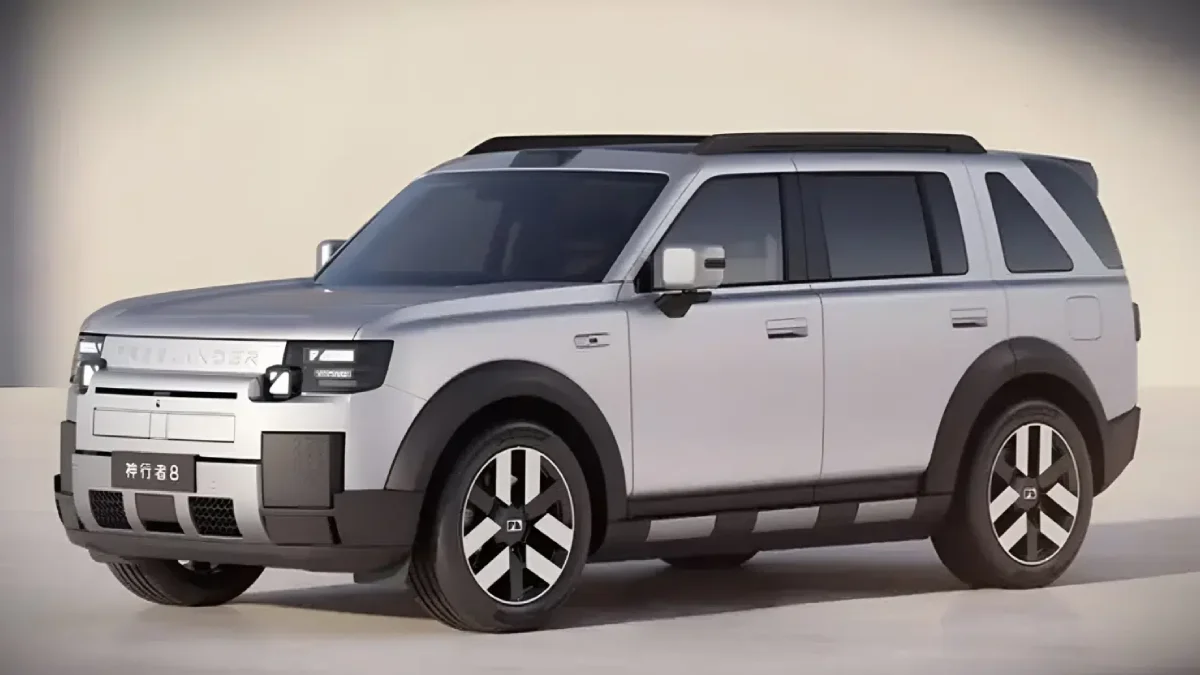
    Chery and Jaguar Land Rover (JLR) have taken the wraps off the all-new Freelander 8, marking the first production model under the revived Freelander nameplate. Developed under the Chery–JLR NEV collaboration, the SUV is slated for its official debut in China in H2 2026, followed by a phased global rollout.

    The new Freelander 8 carries forward the styling cues seen on the earlier Concept 97, while also setting the tone for a broader electrified SUV portfolio under the Freelander brand.

    Production-Ready Phase Reached

    The Freelander SUV program has now entered the production validation stage. This comes after extensive durability and environmental testing, indicating that the model has progressed beyond prototype stages.

    With validation underway, the SUV is currently undergoing pre-production calibration ahead of its market launch.

    Boxy SUV Styling With Functional Elements

    Freelander 8 sticks to a rugged, upright SUV stance inspired by the concept version.

    Key design highlights include:

    • Closed-off front fascia typical of EVs
    • Rectangular headlamp units
    • Straight character lines and upright proportions
    • Roof-mounted LiDAR unit for enhanced sensing

    The overall design clearly signals its positioning as an electrified off-road capable SUV.

    Huawei ADS 5 With Advanced Terrain Recognition

    Freelander 8 comes equipped with Huawei’s latest ADS 5 intelligent driving assistance system.

    Huawei’s system is paired with a high-resolution 896-line LiDAR sensor, enabling advanced environmental mapping and assisted driving functions.

    Additionally, the SUV gets an i-ATS intelligent all-terrain system. This setup integrates:

    • LiDAR data
    • Binocular camera inputs

    These work together to recognise terrain conditions and adjust driving strategies accordingly, offering adaptive performance across multiple surfaces.

    Powering this tech stack is the Qualcomm Snapdragon 8397 chipset, forming part of a centralised vehicle computing architecture.

    800V Architecture With CATL 6C Charging

    Underpinning the Freelander 8 is a dedicated new-generation platform that supports multiple powertrain options:

    • Battery Electric Vehicle (BEV)
    • Plug-in Hybrid (PHEV)
    • Extended-range EV

    For the Chinese market, the SUV will feature an 800V high-voltage range-extended setup.

    The battery pack, co-developed with CATL, supports:

    • Up to 350 kW peak charging
    • 6C ultra-fast charging capability

    This should translate to significantly reduced charging times, aligning with next-gen EV expectations.

    Strategic Importance For Chery–JLR

    The revival of the Freelander brand comes at a critical time. Sales of Land Rover models in China have been under pressure, with volumes declining steadily over the past few quarters.

    This makes the Freelander NEV initiative a key strategic move, as both Chery and JLR shift focus towards electrified SUVs in China’s highly competitive premium segment.

    Going forward, Freelander is expected to play a central role in the joint venture’s long-term EV roadmap.

    Source

  • Buick Electra E7 PHEV SUV Launched; Offers 1630 Km Combined Range, Prices Start At $23,200

    Buick Electra E7 PHEV SUV Launched; Offers 1630 Km Combined Range, Prices Start At $23,200

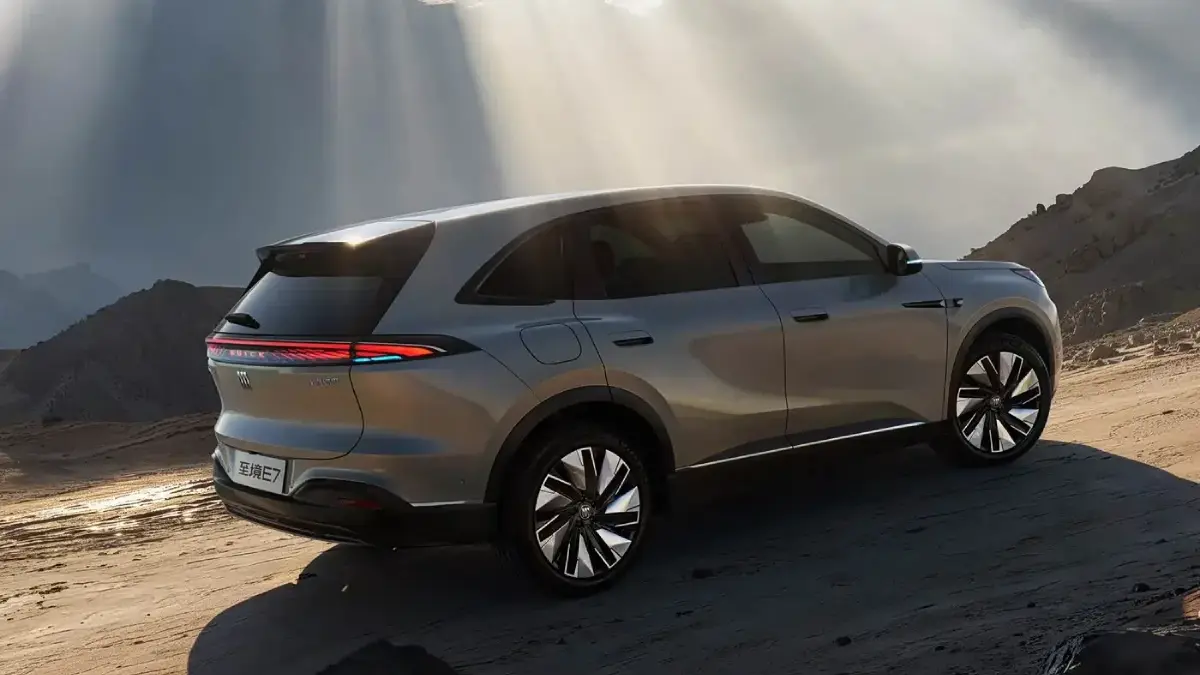
    The Buick Electra E7 has been officially launched ahead of the Beijing Auto Show with three variants on offer. Prices range from 159,900 to 199,900 yuan (approximately $23,200 to $29,000). The SUV was first revealed earlier this year and will be publicly showcased at the upcoming event.

    Design & Dimensions

    The Electra E7 follows Buick’s “spread wing” design philosophy inspired by the Electra SUV concept. The front fascia features a distinctive shark-nose look along with split Star River LED headlamps. Buyers can choose from four exterior colour options including Songyan Ink, Satin Silver, Golden Sand Beige and Distant Mountain Dai.

    In terms of size, the SUV measures 4850 mm in length, 1910 mm in width and 1676 mm in height, while the wheelbase stands at 2850 mm. A roof-mounted LiDAR unit enables advanced driver assistance functions powered by the Momenta R6 reinforcement learning model, supporting full-scenario assisted driving.

    Interior & Features

    Inside the cabin, the Electra E7 gets a tech-loaded layout featuring an 8.8-inch instrument cluster, a 15.6-inch central touchscreen and a massive 50-inch AR head-up display. The system supports Apple CarPlay, HiCar and CarLink connectivity options.

    The five-seat configuration comes with floating-layer seats that offer heating and ventilation as standard. The front seats are equipped with multi-point massage and electric adjustment, while the rear seats get electrically adjustable backrests with extended recline angles and premium leather wrapping.

    A standout feature is the front passenger’s Eames-style zero-gravity seat, designed for enhanced comfort with multiple adjustment options for a lounge-like experience. Additional highlights include a rear entertainment screen, a multifunction table, a temperature-controlled storage box, and a TÜV-certified smart ceiling light. The SUV also comes with a 20-speaker 7.1.4 Dolby Atmos sound system. Boot capacity ranges from 650 litres to 1798 litres.

    Powertrain & Performance

    The Electra E7 is powered by the “True Dragon Plug-in Hybrid Pro” system. One configuration uses a 1.5-litre turbo petrol engine paired with an electric motor, delivering a combined output of 375 hp. Another setup features a 1.5-litre naturally aspirated engine combined with the same motor, producing a total of 318 hp.

    A 32.6 kWh battery pack enables a pure electric driving range of up to 235 km (CLTC cycle), while the total combined range is claimed to be as high as 1630 km. The SUV also features a predictive damping suspension system that scans road conditions in real time to improve ride comfort.

    Conclusion

    With its long driving range, advanced hybrid system and feature-rich interior, the Buick Electra E7 aims to strengthen the brand’s presence in the Chinese market. It combines premium comfort with next-generation technology, making it a strong contender in the growing electrified SUV segment.

  • BYD Seal 08 EV Regulatory Filings Reveal 684 HP Output and Next-Gen Blade Battery Integration

    BYD Seal 08 EV Regulatory Filings Reveal 684 HP Output and Next-Gen Blade Battery Integration

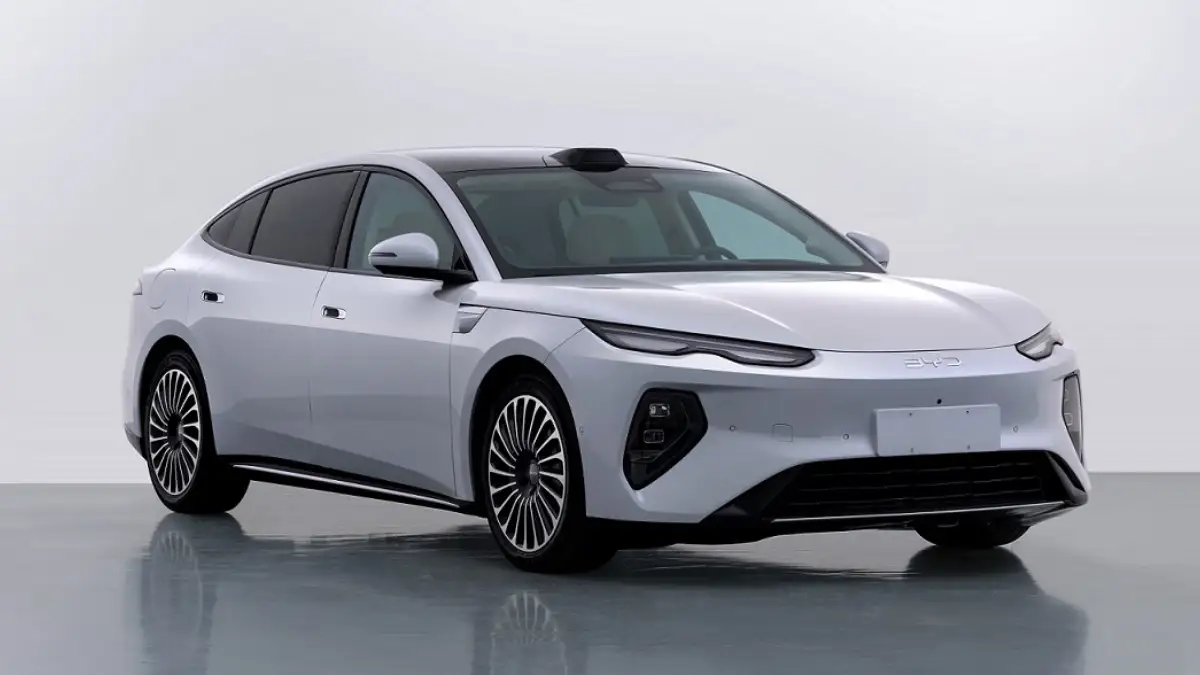
    BYD’s upcoming flagship electric sedan, the Seal 08, has moved a significant step closer to its commercial debut. The vehicle was recently featured in official regulatory filings from China’s Ministry of Industry and Information Technology (MIIT), providing a comprehensive look at the technical specifications and performance metrics of the high-performance EV ahead of its anticipated Q2 2026 launch.

    High-Performance Powertrain Configurations

    According to the MIIT catalog, the Seal 08 will offer a diverse range of powertrain options to cater to different performance requirements. The pinnacle of the lineup is a dual-motor, all-wheel-drive variant that combines a 190kW (255hp) front motor with a 320kW (429hp) rear motor. This configuration produces a staggering total system output of 510kW, equivalent to 684hp.

    For those seeking a more traditional setup, BYD has also declared two single-motor, rear-wheel-drive versions. These models will offer outputs of either 255kW (342hp) or 320kW (429hp), ensuring that even the entry-level variants maintain a competitive edge in the luxury EV segment.

    Dimensions and Engineering Footprint

    The Seal 08 is a substantial addition to BYD’s “Ocean” series, boasting a length of 5150mm, a width of 1999mm, and a height of 1505mm. The generous 3030mm wheelbase suggests a focus on interior cabin space and stability. Despite its size and a curb weight of 2040kg, the sedan is engineered for speed, with a documented top velocity of 240km/h. The vehicle will sit on high-performance 245/45R19 tires as standard.

    The energy heart of the Seal 08 is its Lithium Iron Phosphate (LFP) battery system. The filings confirm that while cells are provided by Hefei BYD Industrial, the final battery pack assembly is handled by Xiangyang FinDreams Battery Co., Ltd.

    Blade Battery 2.0 and Megawatt Charging

    The Seal 08 serves as the primary showcase for BYD’s Blade Battery 2.0 technology, which was first highlighted during a dedicated event on March 5. Built on a sophisticated 800V high-voltage architecture, the flagship is expected to shatter range anxiety with a projected range exceeding 1000km on a single charge.

    Furthermore, the vehicle introduces “megawatt-level” flash charging capabilities. This cutting-edge system is reportedly able to add 400km of driving range in just five minutes, positioning the Seal 08 as one of the fastest-charging vehicles on the global market.

    Advanced Intelligence and Chassis Control

    To manage its substantial power, BYD has equipped the sedan with the DiSus-A intelligent body control system and rear-wheel steering to improve maneuverability in urban environments. Safety and automation are also front and center; a roof-mounted LiDAR unit powers the “God’s Eye B” (DiPilot 300) intelligent driving suite, offering advanced semi-autonomous capabilities.

    The Seal 08 forms half of the “Ocean 8 Series Dual Flagship” strategy. While the sedan is now fully detailed in regulatory documents, its counterpart—the Sealion 08 SUV—remains largely under wraps, having only been seen in camouflaged testing units since the duo’s initial announcement in December 2025.

    Source

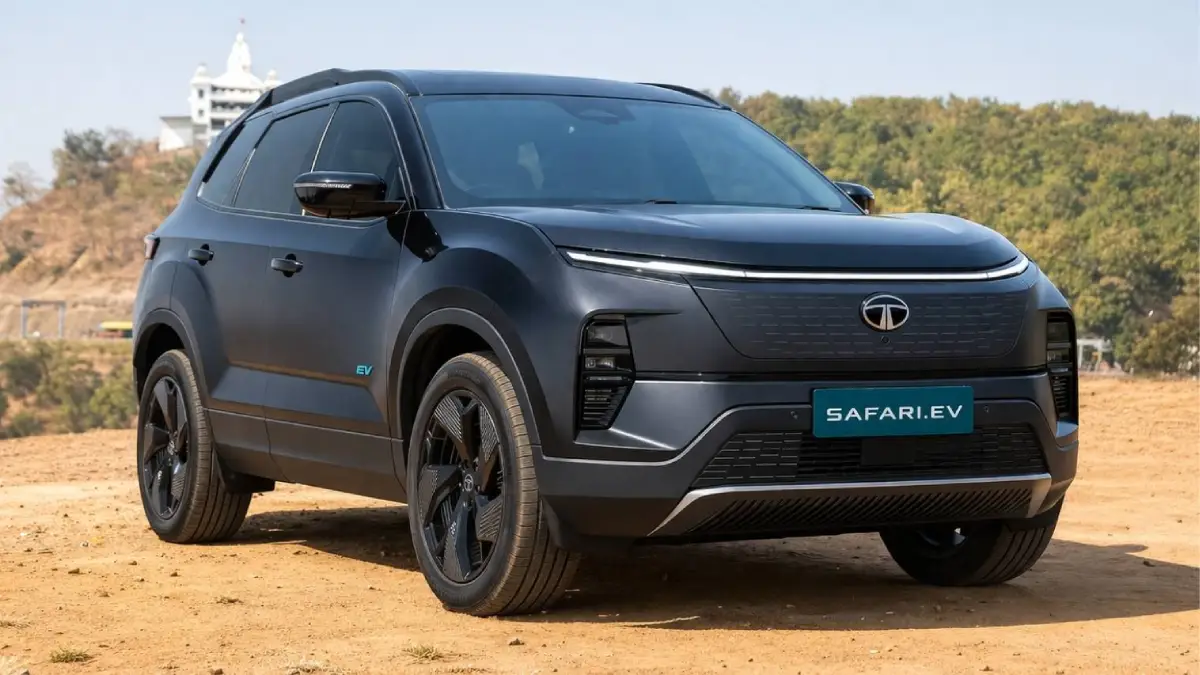
  • Tata Safari EV India Launch Confirmed for Late 2026: A New Benchmark with 600 km Range and AWD Capabilities

    Tata Safari EV India Launch Confirmed for Late 2026: A New Benchmark with 600 km Range and AWD Capabilities

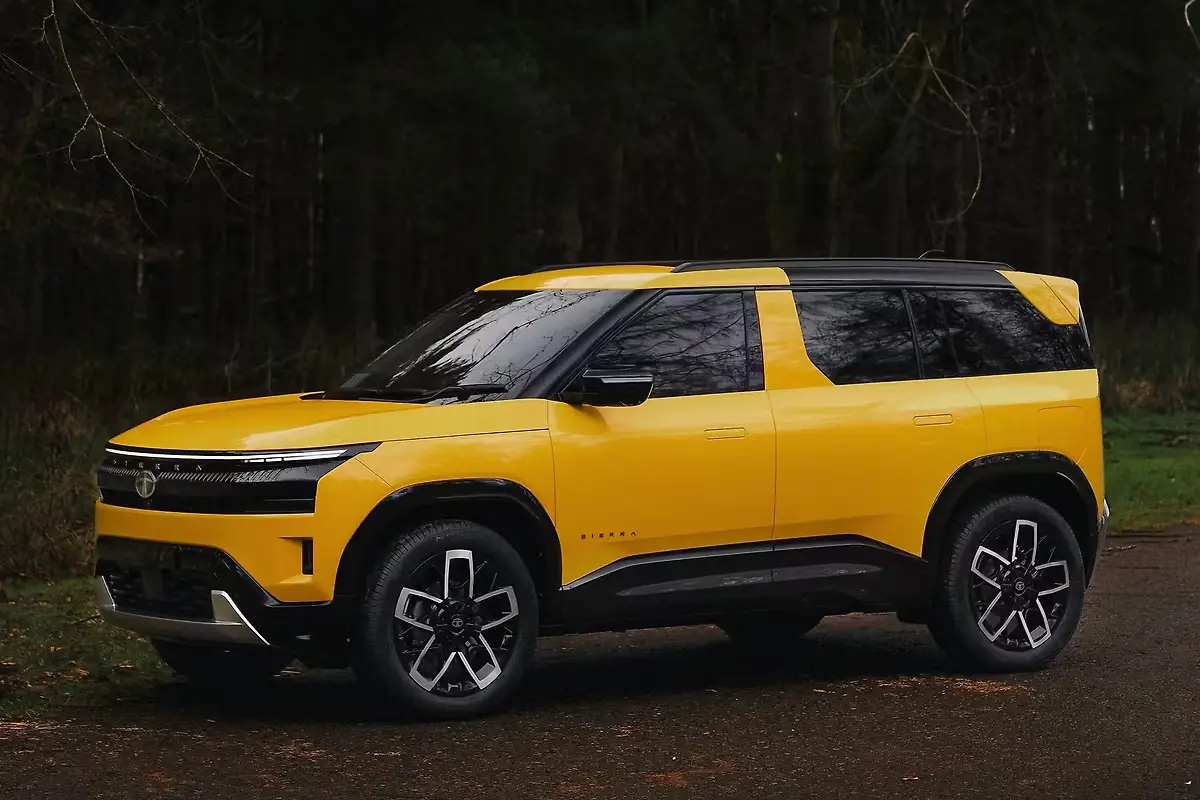
    Tata Safari EV To Be Launched: Tata Motors is set to electrify its flagship SUV experience as it prepares for the highly anticipated launch of the Safari EV in the fourth quarter of 2026. Following the scheduled release of the Sierra EV this summer, the Safari EV will complete the brand’s transition, ensuring every SUV in its portfolio offers a green powertrain option.

    Codenamed ‘Tata Tayrona’, this three-row electric SUV is not just a battery-swapped version of its diesel counterpart but a significant engineering leap, utilizing the advanced acti.ev+ (second-generation) architecture.

    Performance: AWD and the Power of Dual Motors

    The most striking highlight of the Tata Safari EV launch is the shift from a Front-Wheel Drive (FWD) layout to a more dynamic Rear-Wheel Drive (RWD) and All-Wheel Drive (AWD) configuration.

    • Standard RWD Variant: Expected to feature a Schaeffler-made permanent magnet synchronous motor on the rear axle, producing 175 kW (235 hp) and 304 Nm of torque.
    • AWD Variant: This dual-motor powerhouse adds a Tata AutoComp-sourced motor to the front, bringing the total output to a staggering 291 kW (390 hp) and up to 504 Nm of torque (with boost).
    • Speed: Preliminary data suggests the Safari EV AWD could sprint from 0-100 km/h in less than 7 seconds, making it one of the quickest seven-seaters in the country.

    Battery, Range, and Charging Tech

    Tata Motors is likely to offer two Lithium Iron Phosphate (LFP) battery options to cater to different range requirements:

    1. 65 kWh Battery: Aimed at the RWD variant, offering a practical range of approximately 500 km.
    2. 75 kWh Battery: Expected to be the mainstay for the AWD model, pushing the range to an impressive 600 km on a single charge.

    The SUV will support high-speed DC charging (up to 120 kW for the larger pack) and will come standard with Vehicle-to-Load (V2L) and Vehicle-to-Vehicle (V2V) bi-directional charging, allowing the car to act as a mobile power bank.

    Luxury Meets Cutting-Edge Tech

    The Safari EV will be available in both six-seat (captain seats) and seven-seat configurations. Beyond the cabin layout, the mechanical upgrades are substantial. The traditional torsion beam suspension is expected to be replaced by a multi-link rear suspension with Frequency Dependent Dampers (FDD), promising a ride quality that mirrors global luxury standards.

    On the tech front, the Safari EV is rumored to debut several “segment-first” features:

    • Transparent Chassis View: For easier navigation through tight spots.
    • Summon Mode & Auto Park Assist (APA): Allowing the vehicle to park itself autonomously.
    • DrivePay: An integrated UPI-based system for seamless charging and FasTag payments directly from the infotainment screen.

    Market Competition

    Set to rival the Mahindra XEV 9S, which entered the market in January, the Safari EV represents Tata’s second model adapted from the prestigious JLR D8 platform. With its sophisticated acti.ev+ bones and a suite of high-tech features, the Safari EV is positioned to be a formidable player in the premium electric SUV space when it hits showrooms in late 2026.

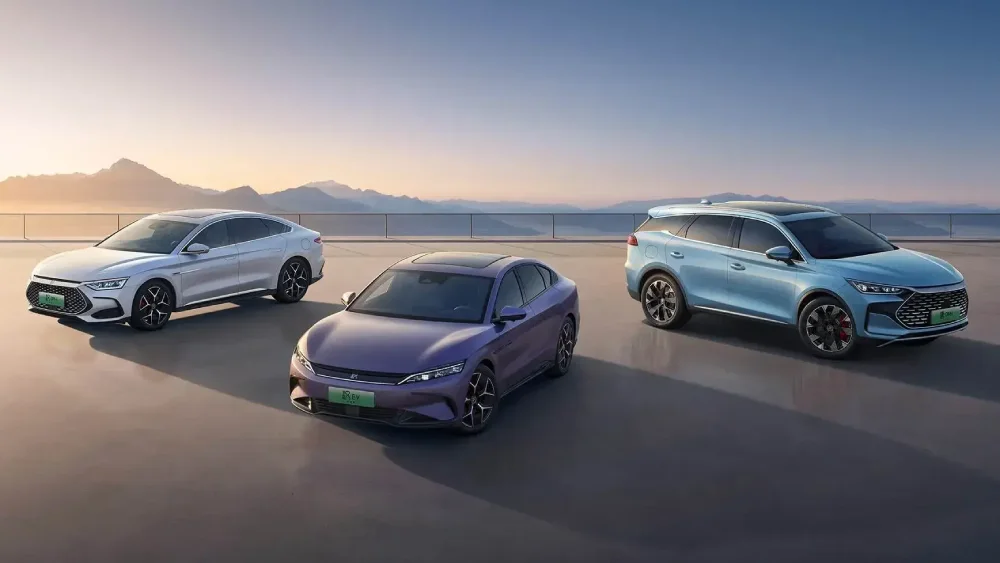
  • BYD Overseas Sales Jump 65% in March 2026 as Global Demand Offsets Domestic Slowdown

    BYD Overseas Sales Jump 65% in March 2026 as Global Demand Offsets Domestic Slowdown

    BYD delivered a mixed performance in March 2026, with strong overseas growth helping offset continued weakness in its domestic market. While total new energy vehicle (NEV) sales declined compared to last year, a sharp increase in exports highlights the company’s growing global footprint amid rising fuel prices.

    In March, BYD sold 300,222 NEVs worldwide, reflecting a decline of over 20 percent year-on-year. This marks the seventh consecutive month of annual decline for the company. However, on a monthly basis, sales rebounded strongly by nearly 58 percent compared to February, which had been impacted by seasonal slowdowns such as the Lunar New Year.

    Passenger vehicles dominated the sales mix, contributing close to 296,000 units. The split between battery electric vehicles and plug-in hybrids remained nearly equal, showing sustained interest in both segments. BYD’s hybrid models, powered by its dual-mode technology, continue to attract buyers seeking flexibility and efficiency.

    Key Sales Highlights:

    • Total NEV sales: 300,222 units
    • Year-on-year decline: Over 20 percent
    • Month-on-month growth: Around 58 percent
    • Passenger vehicles: 295,693 units
    • BEVs: 147,601 units
    • PHEVs: 148,092 units

    The biggest highlight came from overseas markets, where BYD recorded 120,083 units in sales. This represents a 65 percent increase compared to the previous year and reflects growing acceptance of EVs globally.

    The surge in exports coincided with rising fuel prices across several regions, driven by global supply disruptions. Markets such as Australia, Japan, South Korea, and New Zealand witnessed increased demand for electric and hybrid vehicles, as consumers looked for cost-effective alternatives to petrol-powered cars.

    Overseas Growth Highlights:

    • Overseas sales: 120,083 units
    • Year-on-year growth: 65 percent
    • Strong demand in Asia-Pacific markets
    • Increased customer interest due to high fuel prices

    Despite strong international performance, BYD continues to face challenges in China. The domestic EV market is currently experiencing intense competition and aggressive pricing strategies, which are impacting both market share and profitability.

    Rival companies such as Xiaomi, Nio, and Geely have strengthened their presence with competitive offerings. As a result, BYD’s share in China’s EV market has declined significantly over the past year.

    Financially, the pressure is also visible. The company reported slower revenue growth in 2025, along with a decline in net profit. Margins have tightened due to price competition and reduced government incentives, adding further strain on its domestic operations.

    In the first quarter of 2026, BYD delivered more than 700,000 NEVs globally, a notable drop compared to last year. However, overseas sales crossed 320,000 units during the same period, underlining the importance of international markets in sustaining overall volumes.

    Looking ahead, BYD is focusing heavily on global expansion. The company has increased its overseas sales target for 2026 to 1.5 million units and is investing more in research and development to strengthen its product lineup.

    While challenges remain in the domestic market, BYD’s strong overseas growth indicates a shift in strategy. With rising fuel costs and increasing demand for clean mobility, the company’s global push could play a crucial role in shaping its future growth trajectory.

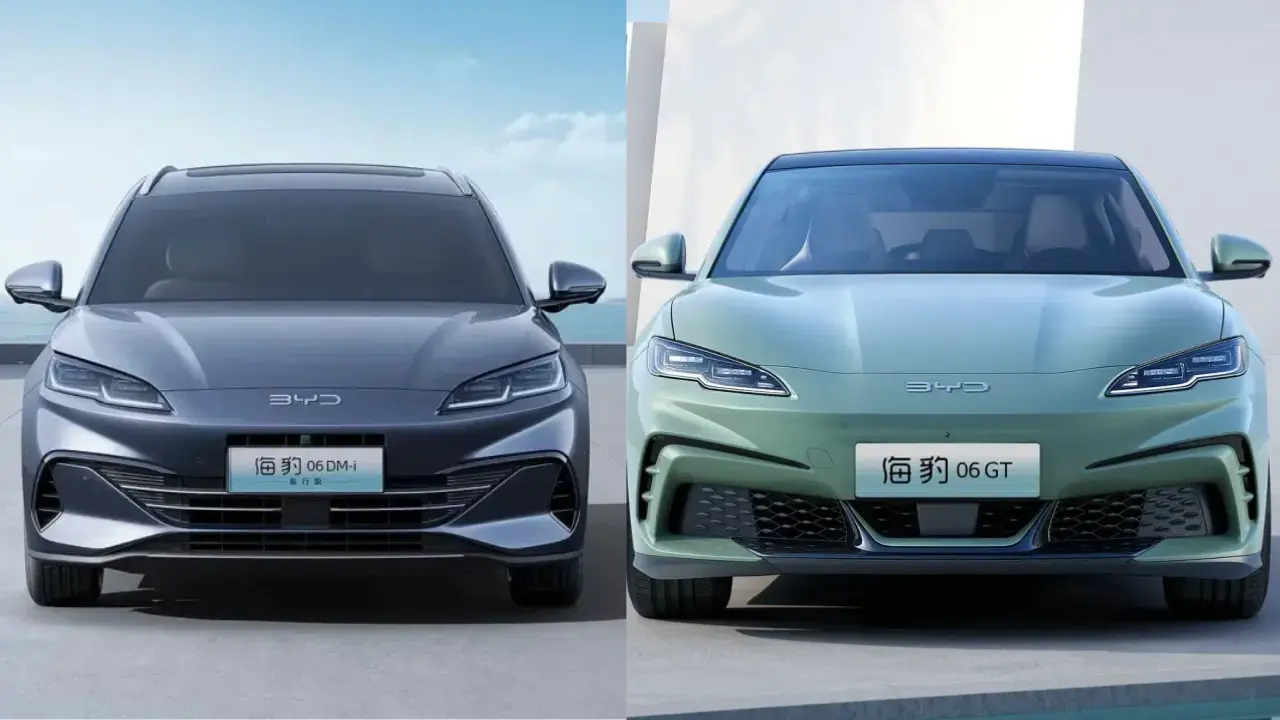
  • BYD Launches 2026 Seal 06 GT and DM-i Touring Wagon with Flash Charging, Prices Start at $16,200

    BYD Launches 2026 Seal 06 GT and DM-i Touring Wagon with Flash Charging, Prices Start at $16,200

    BYD has officially expanded its new energy portfolio with the launch of the 2026 Seal 06 GT and the Seal 06 DM-i Touring. These two models target different segments of buyers, with the Seal 06 GT focusing on pure electric performance, while the DM-i Touring offers a practical plug-in hybrid solution. With competitive pricing, improved driving range, and advanced technology, BYD is continuing its rapid growth in the EV and hybrid vehicle market.

    The Seal 06 GT is positioned as a sporty all-electric sedan and is available in four variants. Its pricing starts from 128,900 yuan and goes up to 169,900 yuan, making it a strong competitor in the mid-range EV category. Meanwhile, the Seal 06 DM-i Touring wagon starts at 111,900 yuan and offers a more affordable entry point for buyers looking for a hybrid vehicle with extended practicality.

    Key Highlights of 2026 Seal 06 GT (Electric Model):

    • Available in four variants: 520, 520 Plus, 620 Plus, and 620 Max
    • Price range: 128,900 – 169,900 yuan (approx. $18,700 – $24,600)
    • Equipped with second-generation Blade Battery
    • Supports flash charging technology for faster charging
    • Offers up to 620 km CLTC driving range
    • Features advanced “God’s Eye” intelligent driving system (in higher trims)
    BYD Seal 06 GT
    BYD Seal 06 GT

    The exterior design of the Seal 06 GT remains largely unchanged but still looks modern and aggressive. Inspired by BYD’s Ocean design language, it features sleek headlights, a sculpted hood, and a sporty front bumper. New color options such as Aurora Purple and Portia Rose Red add a fresh appeal for younger buyers.

    Inside the cabin, the car offers a premium and tech-focused experience. It includes a large 15.6-inch touchscreen infotainment system, a 10.25-inch digital instrument cluster, and a redesigned center console. The addition of a column-mounted gear selector improves space utilization and enhances driving comfort.

    In terms of performance, the Seal 06 GT delivers strong numbers. The base variants come with a 200 kW electric motor and a 57.54 kWh battery pack, offering a range of 520 km. The higher variants feature a larger 69.07 kWh battery, extending the range to 620 km, making it suitable for long-distance travel.

    Key Highlights of Seal 06 DM-i Touring (Hybrid Wagon):

    • Available in four variants: 200 Comfort, 200 Smart, 200 Premium, 300 Flagship
    • Price range: 111,900 – 139,900 yuan (approx. $16,200 – $20,300)
    • Equipped with 5th-generation DM hybrid technology
    • Combines 1.5L petrol engine with electric motor
    • Offers up to 300 km pure electric range
    • Wagon body style for improved cargo space and practicality
    BYD Seal 06 DM-i Touring
    BYD Seal 06 DM-i Touring

    The Seal 06 DM-i Touring stands out with its wagon design, which provides better luggage capacity and rear-seat headroom compared to a traditional sedan. Its aerodynamic shape, along with a gently sloping roofline, not only enhances efficiency but also gives it a distinctive look.

    The interior is feature-rich and varies depending on the variant. Lower trims come with a 12.8-inch display, while higher variants offer a larger 15.6-inch screen. Additional features include wireless charging, ventilated and heated seats, panoramic sunroof, and an electric tailgate. The inclusion of BYD’s DiLink 150 system ensures a connected and intelligent driving experience.

    Performance-wise, the DM-i Touring uses a hybrid setup that balances power and efficiency. The electric motor produces 175 kW and 270 Nm torque, while the petrol engine adds additional support. Buyers can choose between battery packs that deliver 200 km or 300 km of pure electric driving range.

    Charging Network Expansion:

    • Over 42,000 applications received for charging network initiative
    • More than 180 flash charging stations already operational
    • First batch of 1,000 high-speed charging stations targeted by May

    Alongside the vehicle launch, BYD also shared updates on its infrastructure plans. The company is rapidly expanding its fast-charging network, aiming to make EV ownership more convenient and practical for users.

    With the launch of the 2026 Seal 06 GT and Seal 06 DM-i Touring, BYD continues to strengthen its leadership in the new energy vehicle space. By offering both electric and hybrid options with advanced features, strong range figures, and attractive pricing, the company is well-positioned to capture a wider audience in the global automotive market.

    Source

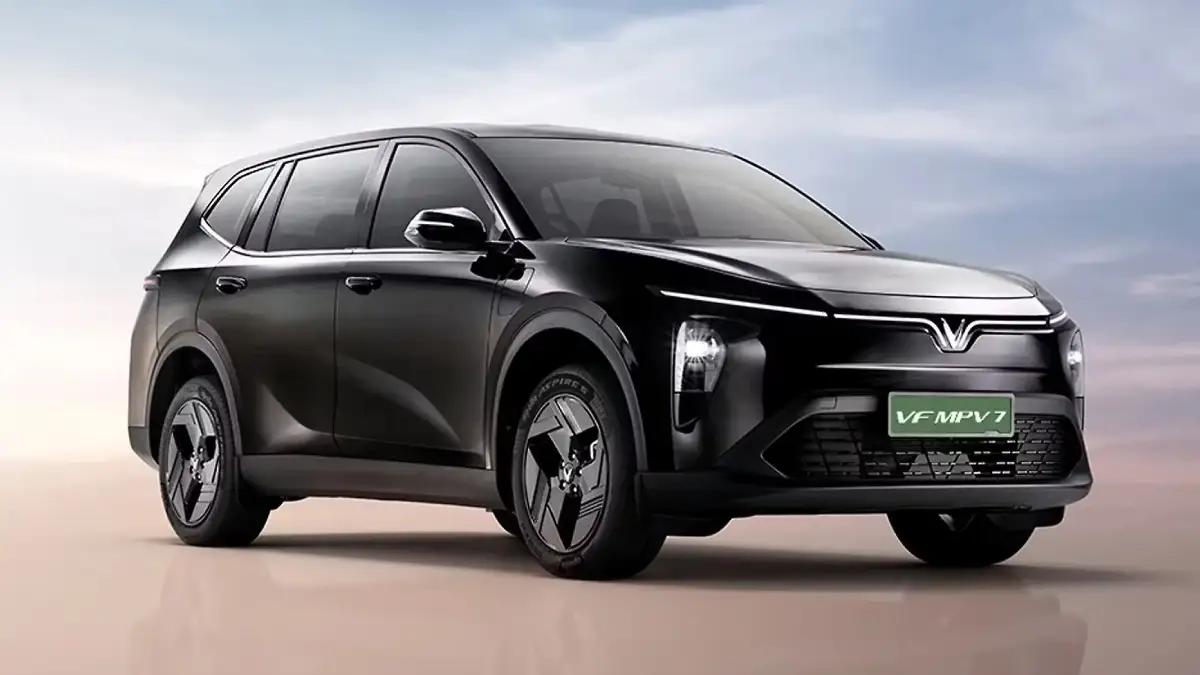
  • VinFast VF MPV 7 India Launch This Month, 500KM Range Electric MPV Pre-Bookings Open

    VinFast VF MPV 7 India Launch This Month, 500KM Range Electric MPV Pre-Bookings Open

    The Indian electric vehicle market is expanding rapidly, and Vietnamese automaker VinFast is gearing up to strengthen its presence with the upcoming VF MPV 7. The company has officially opened pre-bookings for this all-electric MPV, creating strong buzz among buyers looking for a spacious and long-range family EV.

    VinFast has started accepting bookings for the VF MPV 7 with a token amount of Rs 21,000, while the official price announcement is scheduled for April 15. The company has also confirmed that deliveries will begin soon after the launch, ensuring minimal waiting time for customers.

    The VF MPV 7 will be offered exclusively in a seven-seat configuration with a 2+3+2 layout. VinFast has ruled out introducing a six-seat version for now. Alongside this model, the brand will also introduce a commercial variant named Limo Green, aimed at fleet and business users.

    In terms of dimensions and road presence, the VF MPV 7 stands out as a large and practical MPV. It measures 4,740mm in length, 1,872mm in width, and 1,734mm in height, with a wheelbase of 2,840mm. These proportions translate into a spacious cabin with ample legroom for all three rows.

    Feature-wise, the electric MPV comes equipped with a 10.1-inch touchscreen infotainment system, leatherette upholstery, AC vents for all three rows, and 19-inch alloy wheels. It also gets all-LED lighting and second-row split seats with a tumble function, making access to the third row more convenient.

    On the safety front, the VF MPV 7 offers four airbags, electronic stability control, traction control, hill start assist, rear parking sensors, and a reverse camera. However, it misses out on some premium features such as a panoramic sunroof, 360-degree camera, and advanced driver assistance systems (ADAS), which are becoming common in this segment.

    Powering the VF MPV 7 is a 60.1kWh battery pack paired with a single electric motor driving the front wheels. The motor produces 201bhp and 280Nm of torque, enabling the MPV to accelerate from 0 to 100 km/h in under 10 seconds. VinFast claims a driving range of over 500km on a single charge, making it suitable for both city and long-distance travel.

    Charging capabilities are also practical, with support for DC fast charging that can charge the battery from 10% to 70% in around 30 minutes. The MPV offers three driving modes—Eco, Normal, and Sport—along with multiple regenerative braking levels for improved efficiency.

    In the Indian market, the VF MPV 7 will compete with popular MPVs like the Toyota Innova Crysta, although the latter is available with petrol and hybrid powertrains. With limited electric MPV options currently available, VinFast’s offering could carve out a unique position in the segment.

    Overall, the VinFast VF MPV 7 appears to be a promising electric MPV that combines practicality, decent range, and modern features. Its success in India will largely depend on competitive pricing, which will be revealed later this month.

  • Tata Sierra EV Launch Date Revealed, Set for May with 600KM Range and Premium Features

    Tata Sierra EV Launch Date Revealed, Set for May with 600KM Range and Premium Features

    Tata Motors is preparing to expand its electric vehicle lineup with the much-anticipated Tata Sierra EV. The upcoming electric SUV has been making headlines for quite some time, and now reports suggest that it could finally debut on May 19, 2026. Positioned as a premium yet practical offering, the Sierra EV is expected to target buyers looking for a stylish, feature-rich, and long-range electric SUV in the mid-size segment.

    Competition in the Growing EV Segment

    The Tata Sierra EV will enter a competitive market where several strong players are already present. It is expected to rival models like Hyundai Creta Electric, Maruti e Vitara, Mahindra BE 6, and MG ZS EV. Tata Motors is likely to position the Sierra EV between the Curvv EV and Harrier EV, creating a balanced offering that combines premium features with competitive pricing. This strategic placement could help the company attract both urban and family buyers.

    Bold and Futuristic Design

    In terms of design, the Sierra EV is expected to carry a modern and futuristic look. It will likely be built on Tata’s Acti.ev+ platform, which is specifically designed for electric vehicles. The SUV may feature a closed-off front grille, sleek LED daytime running lights, split headlamp setup, and flush door handles. The rear design is expected to include connected LED tail lamps, giving it a contemporary appeal. Overall, the design will aim to blend nostalgia with modern styling, as the Sierra nameplate has a legacy in India.

    Feature-Rich Premium Cabin

    Inside the cabin, the Tata Sierra EV is expected to offer a highly premium and tech-loaded experience. Reports suggest a triple-screen dashboard setup, which will enhance the futuristic feel of the interior. Other expected features include a panoramic sunroof, wireless Apple CarPlay and Android Auto, ambient lighting, ventilated seats, and dual-zone climate control. The SUV may also come equipped with a 12-speaker JBL audio system with Dolby Atmos support, delivering an immersive sound experience. Convenience features such as a powered tailgate, wireless charging, and connected car technology are also likely to be included.

    Battery, Range and Efficiency

    One of the key highlights of the Sierra EV will be its battery and range. The SUV is expected to offer battery pack options between 55kWh and 70kWh. On a full charge, it could deliver a driving range of up to 600 kilometers, making it suitable for both daily commuting and long-distance travel. Additionally, features like V2L (Vehicle to Load) and V2V (Vehicle to Vehicle) could further enhance its usability, allowing users to power external devices or share charge with other EVs.

    Performance and Drive Options

    The Tata Sierra EV is likely to be offered with both single-motor and dual-motor configurations. This means buyers could choose between rear-wheel drive (RWD) and all-wheel drive (AWD) options. The AWD setup, especially, could give the SUV an edge over many competitors that lack dual-motor configurations. Tata Motors may initially offer AWD in higher variants, depending on demand and market response.

    Safety and Expected Pricing

    On the safety front, the Sierra EV is expected to come equipped with six airbags, Level 2 Advanced Driver Assistance Systems (ADAS), electronic parking brake, and a 360-degree camera. These features will ensure a safer and more convenient driving experience. In terms of pricing, the Tata Sierra EV is likely to be priced between ₹15 lakh and ₹17 lakh (ex-showroom), making it an attractive option in the premium EV segment.

    With its combination of strong range, advanced features, modern design, and competitive pricing, the Tata Sierra EV has the potential to significantly impact the electric SUV market in India. Its official launch in May is now highly anticipated, and it could further strengthen Tata Motors’ leadership in the EV space.

  • Freelander Reborn: Chery and Jaguar Land Rover Unveil New Global NEV Brand with Concept97 SUV

    Freelander Reborn: Chery and Jaguar Land Rover Unveil New Global NEV Brand with Concept97 SUV

    In a major development in the electric vehicle space, Chery and Jaguar Land Rover have jointly unveiled Freelander as a new global new energy vehicle (NEV) brand. This marks the revival of the iconic Freelander name, now transformed into an independent luxury technology-focused brand. The announcement highlights a new cooperation model that blends traditional luxury automotive expertise with modern NEV innovation.

    A New Independent Global Brand

    Freelander officially became an independent brand in June 2024 and will operate separately from Jaguar Land Rover’s existing lineup, which includes Range Rover, Defender, Discovery, and Jaguar. It will also remain distinct from Chery’s current product portfolio.

    The brand has established its global headquarters in Shanghai, supported by a strong international presence. This includes the UK-based Gaydon Design Centre, a Shanghai Design Centre, a Suzhou Research Institute, and an Intelligent Manufacturing Base in Changshu. All Freelander vehicles will be jointly designed by Jaguar Land Rover’s UK team and local Chinese designers, ensuring a blend of global design language and local innovation.

    Production Plans and Global Expansion

    Freelander secured its NEV production qualification by the end of 2025, confirming its readiness for large-scale manufacturing. The first production model is expected to roll out from the Changshu facility by the end of 2026.

    Following its debut in China later this year, the brand plans an aggressive global expansion strategy. New vehicles are expected to launch every six months, with a total of six models planned over the next five years.

    Advanced Platform and Technology Vision

    Freelander introduces a completely new platform designed to support a full range of SUV products. This flexible architecture will accommodate pure electric, plug-in hybrid, and range-extended powertrains. The brand will also debut an 800V high-voltage range-extended platform, highlighting its focus on cutting-edge EV technology.

    The first model will feature advanced innovations across multiple areas. In collaboration with Huawei, it will include the latest Qiankun intelligent driving system along with high-end driver-assistance hardware such as an 896-line dual-optical LiDAR system.

    Freelander is also introducing the world’s first i-ATS intelligent all-terrain system, combined with pre-emptive shock absorbers and three differential locks to adapt to various terrains.

    High-Performance Hardware and Battery Innovation

    The upcoming vehicles will be among the first globally to use the Qualcomm Snapdragon 8397 automotive-grade chip, offering enhanced processing power and performance.

    Battery technology is another key highlight. Developed with CATL, the new “Freevoy Range-Extended Hybrid Battery” will debut with the first model. It supports 6C supercharging with up to 360kW charging power. Designed specifically for off-road conditions, the battery features underbody protection, FD polymer coating for improved impact resistance, second-generation non-thermal propagation technology, and third-generation Cell-to-Pack (CTP) technology for improved safety and cooling.

    Concept97: Preview of the First Model

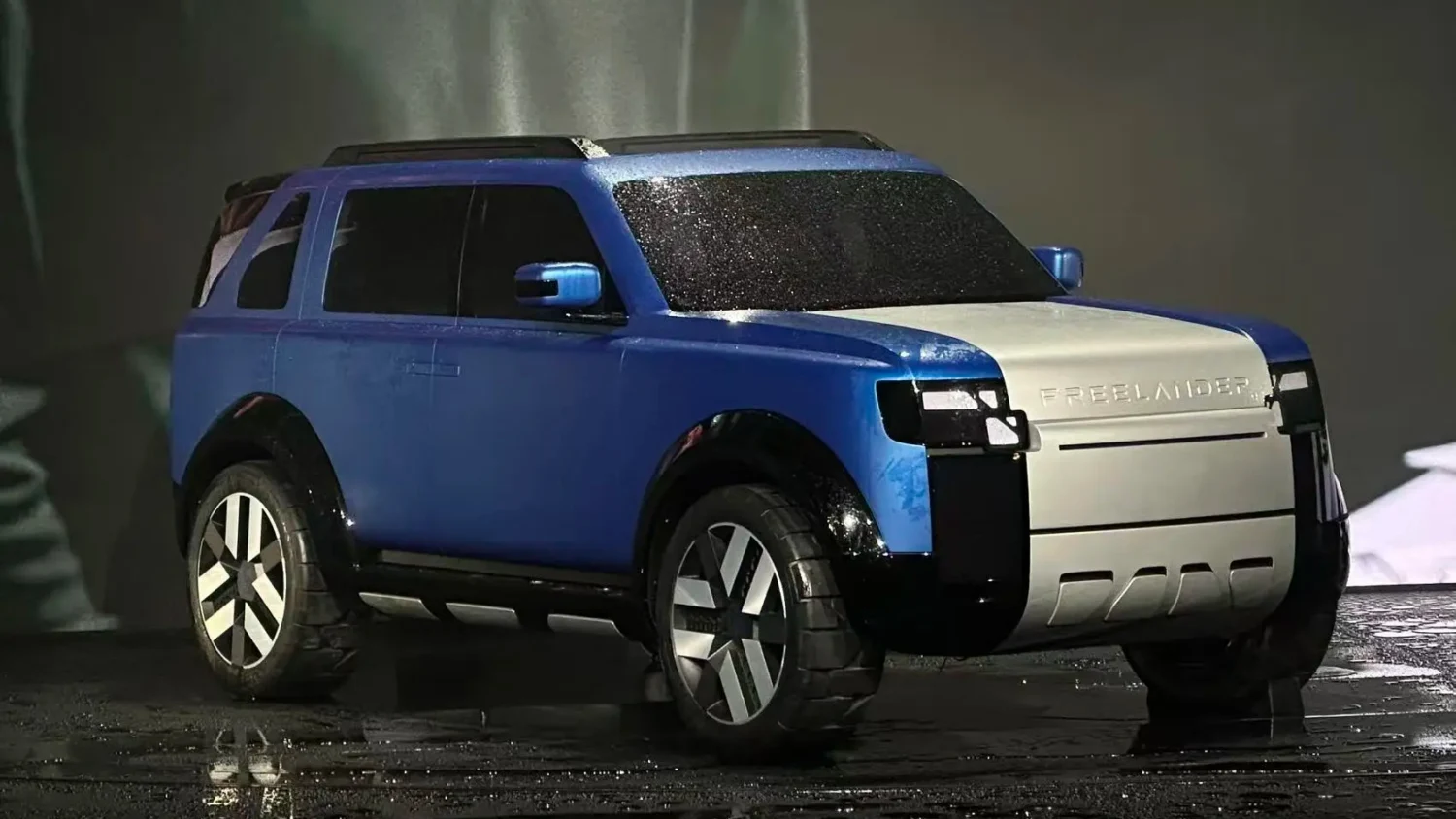
    The brand’s first concept vehicle, the Concept97, provides a glimpse into the future of Freelander. Built on Chery’s T1X platform, it is designed to support multiple SUV configurations with flexibility and scalability.

    Under the guidance of Jaguar Land Rover’s Chief Creative Officer Gerry McGovern, the Concept97 blends the original Freelander DNA with a more modern and dynamic design. It features a rugged, boxy silhouette, square headlamps, and prominent Freelander branding at the front and rear, drawing inspiration from the Defender design language.

    Positioned as a mid-to-large SUV, the Concept97 measures over 5,100mm in length with a wheelbase exceeding 3,000mm. It offers a 2+2+2 seating layout, including a second-row right seat with a zero-gravity mode for enhanced comfort.

    Interior and Features

    Inside, the Concept97 is equipped with the Qualcomm Snapdragon 8397 chip and features a dual-screen layout, including a floating central display and an additional remote screen.

    The cabin also includes a three-spoke steering wheel, an electronic column shifter, and dual wireless charging pads in the center console, reflecting a modern and tech-focused interior design.

    The Legacy of Freelander

    The Freelander name carries a strong legacy within the Land Rover family. Originally launched in 1997 as Land Rover’s first unibody SUV, it played a key role in shaping the compact luxury SUV segment. It was Europe’s best-selling SUV for five consecutive years.

    After evolving through multiple generations, including Freelander 2 and later being rebranded as Discovery Sport, the lineup was discontinued around 2014-2015.

    In June 2024, Jaguar Land Rover and Chery formalized a strategic partnership, allowing the use of the Freelander name for a new generation of electric vehicles. By December 2024, the Changshu factory had already committed a significant investment of 3 billion yuan for electrification upgrades.

    Conclusion

    The rebirth of Freelander as an independent NEV brand marks a significant shift in the global automotive landscape. With strong backing from Chery and Jaguar Land Rover, advanced technology, and a clear product roadmap, the brand is positioned to compete in the premium EV segment.

    The Concept97 serves as a promising preview of what’s to come, combining heritage, innovation, and modern design. As Freelander prepares for its first launch and global expansion, it could emerge as a key player in the evolving new energy vehicle market.