Author: prakash.rohana

  • Suzuki Burgman 400 Makes India Debut at Mumbai Matsuri; Premium Maxi-Scooter Launch Likely

    Suzuki Burgman 400 Makes India Debut at Mumbai Matsuri; Premium Maxi-Scooter Launch Likely

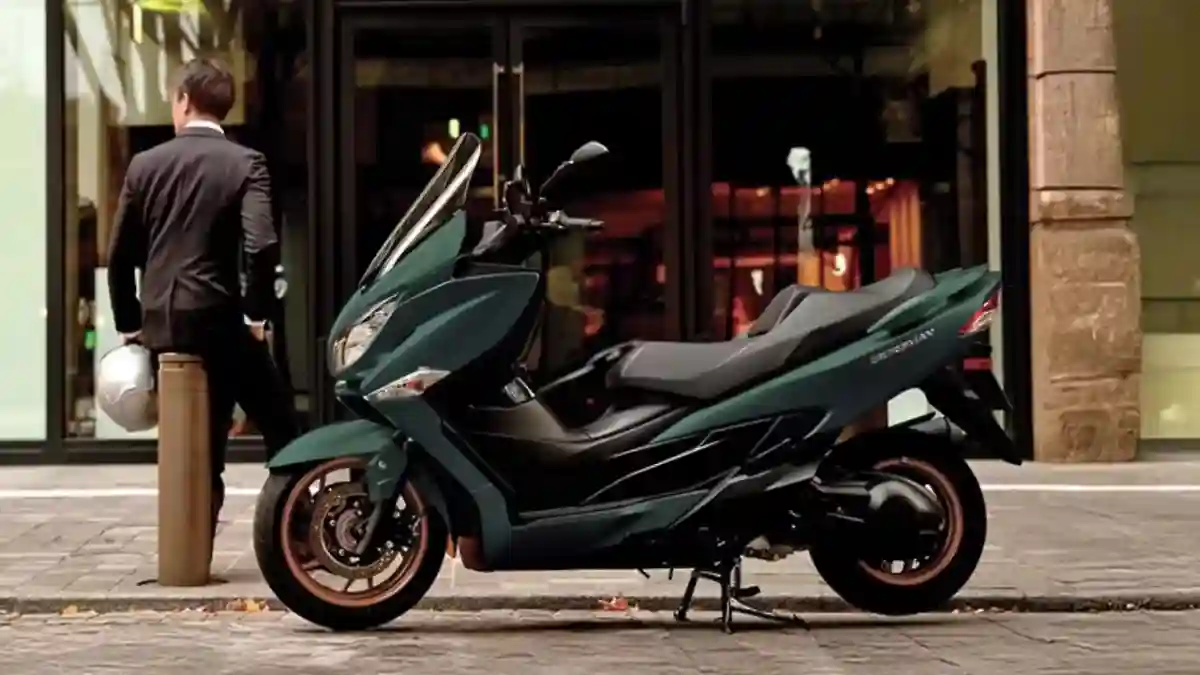
    Suzuki Motorcycle India left enthusiasts and attendees stunned at the 2026 Suzuki Matsuri event in Mumbai today by showcasing the Burgman 400 for the very first time on Indian soil. While the event was initially billed as a celebration of the popular Burgman Street, it was the unexpected arrival of its larger, high-capacity sibling that stole the limelight, signaling Suzuki’s potential entry into India’s untapped premium maxi-scooter market.

    Detailed Specifications: Suzuki Burgman 400

    The following table highlights the key technical details of this premium maxi-scooter:

    Feature/ParameterSpecifications
    Engine Type400cc, 4-stroke, Liquid-cooled, Single-cylinder, DOHC
    Max Power31 HP @ 6300 rpm
    Max Torque36 Nm @ 4800 rpm
    TransmissionCVT Automatic (V-belt drive)
    Fuel SystemFuel Injection
    Brakes (Front/Rear)Dual 260mm Discs (Front) / Single 210mm Disc (Rear)
    ABSDual-channel ABS
    Traction ControlSuzuki Traction Control System (STCS)
    Suspension (Front/Rear)Telescopic Fork / Link-type Single Shock (Adjustable Preload)
    Tires (Front/Rear)120/70-15 (Front) / 150/70-13 (Rear)
    Fuel Tank Capacity13.5 Litres
    Seat Height755 mm
    Curb Weight218 kg

    Gauging Interest for a Premium Entry

    Although the Burgman 400 has been a staple in European and American markets for years, this marks its first official public appearance in India. By choosing a customer-centric platform like the Matsuri event to display the scooter, Suzuki appears to be actively gauging market sentiment and buyer interest.

    If brought to our shores, the Burgman 400 will cater to a niche segment of riders seeking a blend of long-distance touring comfort and effortless performance.

    Features and Design

    True to the “Maxi” moniker, the Burgman 400 boasts a substantial body with a focus on ergonomics. The design is highlighted by sharp dual LED headlamps and a signature windscreen for wind protection during touring.

    Practicality remains a priority, with the scooter offering massive under-seat storage (42 litres), front storage cubbies, and an integrated charging socket for mobile devices. Its safety suite includes the standard Anti-lock Braking System and Suzuki’s Easy Start system.

    Expected Pricing and Competition

    In international markets, the Burgman 400 is priced at approximately $8,949 (roughly Rs 7.5 lakh). Should Suzuki decide to launch it in India, it will likely arrive via the CKD (Completely Knocked Down) route to keep pricing competitive.

    If launched, its most direct rival would be the BMW C400 GT, which currently retails at a premium price tag of approximately Rs 11.25 lakh (ex-showroom).

    While Suzuki remains tight-lipped about an official launch date, the public debut in Mumbai serves as a strong hint that the Japanese manufacturer is ready to explore the performance-scooter territory.

    Stay tuned for more updates from the 2026 Suzuki Matsuri.

  • Hyundai Price Hike Announced for May 2026; All Models and Variants to be Affected

    Hyundai Price Hike Announced for May 2026; All Models and Variants to be Affected

    Following a wave of price adjustments by several Original Equipment Manufacturers (OEMs) this April, Hyundai Motor India has confirmed that it will also be increasing prices across its entire vehicle lineup. The new price structure is scheduled to take effect from May 2026.

    The company has stated that the hike will be capped at one per cent, though the exact quantum will fluctuate depending on the specific model, fuel type, and variant selected by the customer.

    Rising Costs Dictate Market Shift

    Hyundai has attributed this strategic move to persistent cost escalations that have impacted the manufacturing sector. While the brand remained steady through the initial April price hikes seen elsewhere in the industry, the cumulative pressure of rising operational and input expenses has finally necessitated a revision.

    Impact on New Launches and Popular Models

    The announcement has sparked curiosity regarding how this will affect Hyundai’s most recent market entries. It remains unclear if the hike will immediately apply to the newly debuted 2026 Verna, the 2026 Exter, or special editions like the Creta Summer Edition and the Grand i10 Nios Vibe Edition.

    Notably, the Hyundai Venue—a heavyweight in the sub-compact SUV segment—is under particular scrutiny. The model has already seen price increases in both January and March of this year. If the Venue is included in this upcoming May revision, it would mark the third price jump for the SUV within the first five months of the 2026 calendar year.

    Key Takeaways for Buyers:

    • Effective Date: May 1, 2026.
    • Price Increase: Up to 1% across the range.
    • Reason: Increased input and manufacturing costs.
    • Models Affected: All models, including SUVs, sedans, and hatchbacks.

    Prospective buyers looking to beat the hike may find the remaining weeks of April the ideal window to finalize their purchases before the new rates are implemented nationwide.

  • BYD Seal 08 EV Regulatory Filings Reveal 684 HP Output and Next-Gen Blade Battery Integration

    BYD Seal 08 EV Regulatory Filings Reveal 684 HP Output and Next-Gen Blade Battery Integration

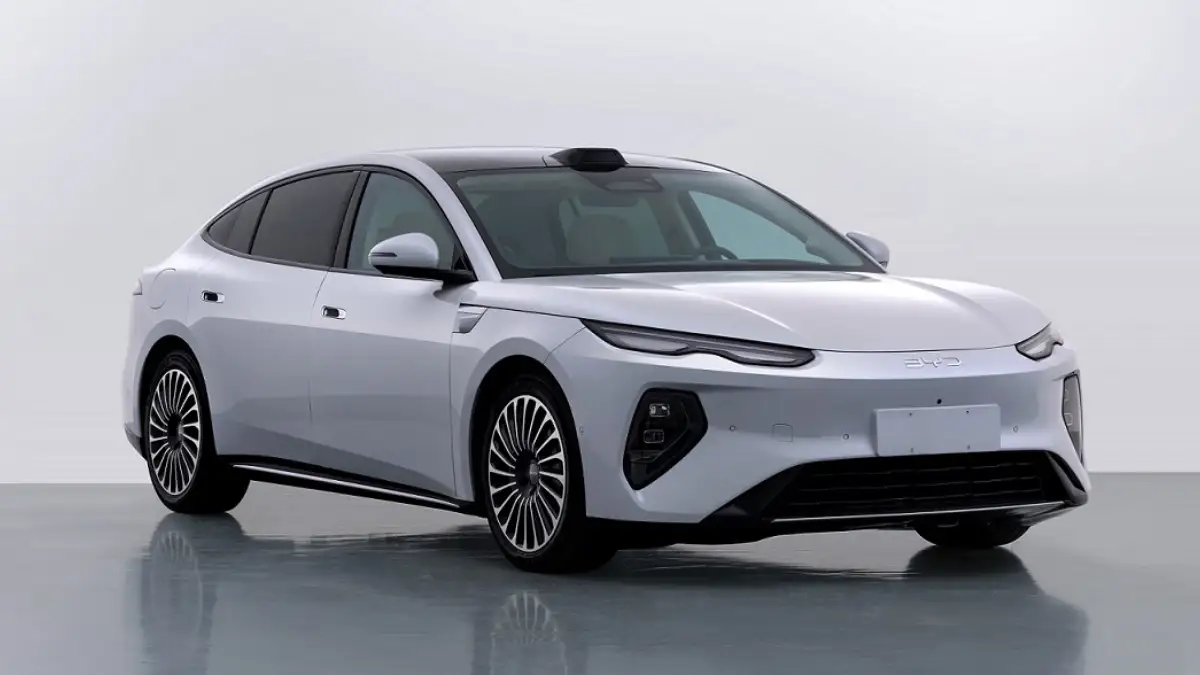
    BYD’s upcoming flagship electric sedan, the Seal 08, has moved a significant step closer to its commercial debut. The vehicle was recently featured in official regulatory filings from China’s Ministry of Industry and Information Technology (MIIT), providing a comprehensive look at the technical specifications and performance metrics of the high-performance EV ahead of its anticipated Q2 2026 launch.

    High-Performance Powertrain Configurations

    According to the MIIT catalog, the Seal 08 will offer a diverse range of powertrain options to cater to different performance requirements. The pinnacle of the lineup is a dual-motor, all-wheel-drive variant that combines a 190kW (255hp) front motor with a 320kW (429hp) rear motor. This configuration produces a staggering total system output of 510kW, equivalent to 684hp.

    For those seeking a more traditional setup, BYD has also declared two single-motor, rear-wheel-drive versions. These models will offer outputs of either 255kW (342hp) or 320kW (429hp), ensuring that even the entry-level variants maintain a competitive edge in the luxury EV segment.

    Dimensions and Engineering Footprint

    The Seal 08 is a substantial addition to BYD’s “Ocean” series, boasting a length of 5150mm, a width of 1999mm, and a height of 1505mm. The generous 3030mm wheelbase suggests a focus on interior cabin space and stability. Despite its size and a curb weight of 2040kg, the sedan is engineered for speed, with a documented top velocity of 240km/h. The vehicle will sit on high-performance 245/45R19 tires as standard.

    The energy heart of the Seal 08 is its Lithium Iron Phosphate (LFP) battery system. The filings confirm that while cells are provided by Hefei BYD Industrial, the final battery pack assembly is handled by Xiangyang FinDreams Battery Co., Ltd.

    Blade Battery 2.0 and Megawatt Charging

    The Seal 08 serves as the primary showcase for BYD’s Blade Battery 2.0 technology, which was first highlighted during a dedicated event on March 5. Built on a sophisticated 800V high-voltage architecture, the flagship is expected to shatter range anxiety with a projected range exceeding 1000km on a single charge.

    Furthermore, the vehicle introduces “megawatt-level” flash charging capabilities. This cutting-edge system is reportedly able to add 400km of driving range in just five minutes, positioning the Seal 08 as one of the fastest-charging vehicles on the global market.

    Advanced Intelligence and Chassis Control

    To manage its substantial power, BYD has equipped the sedan with the DiSus-A intelligent body control system and rear-wheel steering to improve maneuverability in urban environments. Safety and automation are also front and center; a roof-mounted LiDAR unit powers the “God’s Eye B” (DiPilot 300) intelligent driving suite, offering advanced semi-autonomous capabilities.

    The Seal 08 forms half of the “Ocean 8 Series Dual Flagship” strategy. While the sedan is now fully detailed in regulatory documents, its counterpart—the Sealion 08 SUV—remains largely under wraps, having only been seen in camouflaged testing units since the duo’s initial announcement in December 2025.

    Source

  • Tata Motors Sales March 2026: SUV Portfolio Drives 28% YoY Growth; Punch and Nexon Remain Unstoppable

    Tata Motors Sales March 2026: SUV Portfolio Drives 28% YoY Growth; Punch and Nexon Remain Unstoppable

    MUMBAI, India: Tata Motors has concluded the fiscal year on a high note, reporting a robust performance in its passenger vehicle segment for March 2026. The homegrown automaker dispatched 66,192 units last month, marking a significant 28.24% year-on-year (YoY) growth compared to the 51,616 units sold in March 2025.

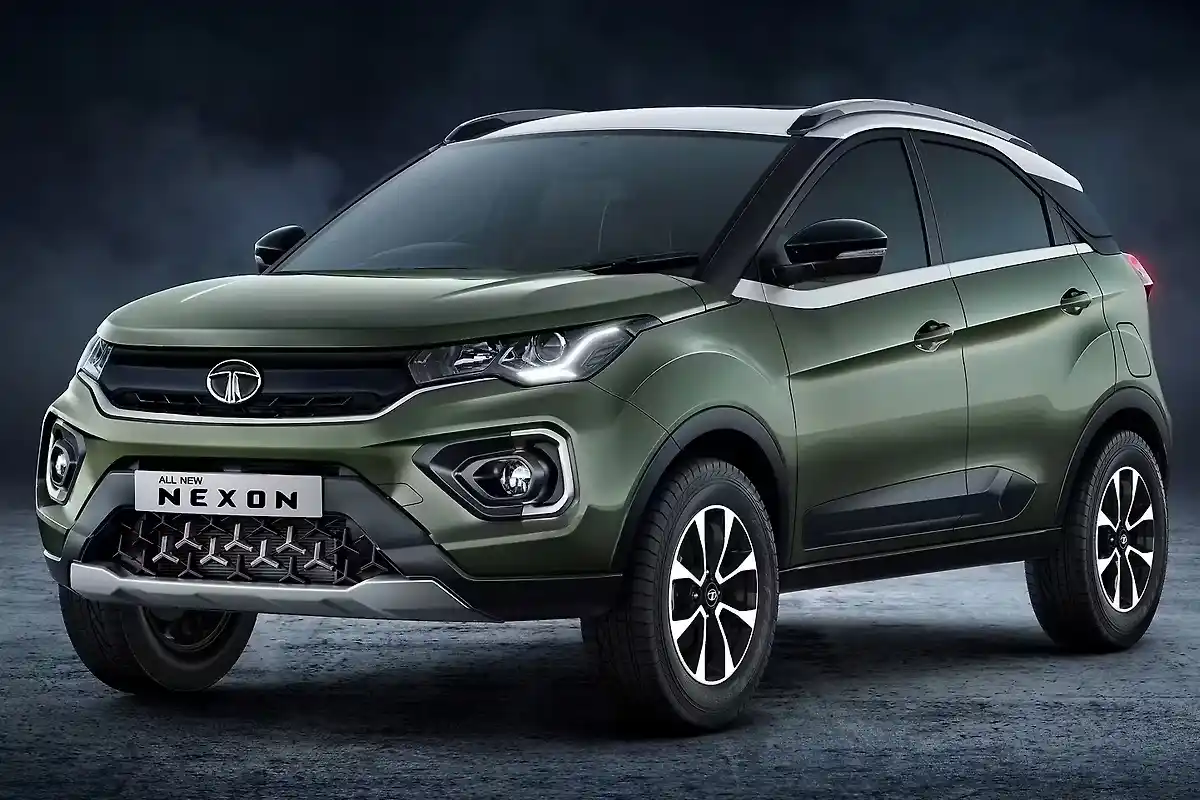
    The upward trajectory was not limited to yearly comparisons; Tata also witnessed a healthy 6.20% month-on-month (MoM) increase over February 2026’s 62,329 units. This growth was primarily fueled by the brand’s “New Forever” SUV range, with the Punch and Nexon continuing to act as the primary engines of volume.

    Table 1: Tata Motors Passenger Vehicle Sales Breakup (YoY Analysis)

    No.Tata ModelMar-26 SalesMar-25 SalesDifference (Units)Growth % YoY% Share Mar-26
    1Punch / EV20,97717,714+3,26318.42%31.69%
    2Nexon / EV19,81016,366+3,44421.04%29.93%
    3Sierra9,0030+9,00313.60%
    4Tiago / EV7,1197,946-827-10.41%10.76%
    5Harrier / EV2,8261,265+1,561123.40%4.27%
    6Altroz2,3441,658+68641.38%3.54%
    7Curvv / EV1,6023,785-2,183-57.68%2.42%
    8Safari1,5301,415+1158.13%2.31%
    9Tigor / EV9811,467-486-33.13%1.48%
    Total PV Sales66,19251,616+14,57628.24%100.00%

    Punch and Nexon: The Powerhouse Duo

    As highlighted in Table 1, the Tata Punch (including EV) maintained its crown as the brand’s top performer. With 20,977 units sold, the micro-SUV recorded an 18.42% YoY jump. Following closely was the Nexon (including EV), which secured the second spot with 19,810 units and a 21.04% YoY increase. Together, these two models accounted for over 61.6% of Tata’s total sales for the month, demonstrating that the appetite for these high-riding compacts remains insatiable.

    Sierra Gains Momentum; Harrier Sales Double

    The newly introduced Tata Sierra is quickly carving out its own space in the portfolio. It clocked 9,003 units in March 2026, already capturing a significant 13.60% market share within the Tata lineup. Its inclusion provides Tata with a strong mid-tier volume contributor.

    In the premium SUV space, the Harrier (including EV) reported a staggering 123.40% YoY growth, with sales rising to 2,826 units from 1,265 units a year ago. Similarly, the Safari posted a steady 8.13% YoY growth with 1,530 units.

    Mixed Bag for Hatchbacks and Sedans; Curvv Normalizes

    While SUVs flourished, traditional segments showed varied results:

    • Altroz: The premium hatchback performed well, with 2,344 units reflecting a 41.38% YoY increase.
    • Tiago (including EV): Faced a 10.41% YoY decline to 7,119 units, though it remains a key volume driver below the SUVs.
    • Tigor (including EV): The compact sedan struggled, dropping 33.13% YoY to just 981 units.
    • Curvv (including EV): After strong initial momentum, the Curvv appears to be undergoing demand normalization. It recorded 1,602 units in March, a sharp 57.68% YoY drop.

    Table 2: Tata Motors Passenger Vehicle Sales (Month-on-Month Trend Analysis)

    Sorting this data (excluding Sierra, which had zero sales in the previous March) reveals the recent momentum changes across models.

    No.Tata ModelMar-26 SalesFeb-26 SalesDifference (Units)Growth % MoM% Share Feb-26
    1Punch / EV20,97718,748+2,22911.89%30.08%
    2Nexon / EV19,81019,430+3801.96%31.17%
    3Sierra9,0037,100+1,90326.80%11.39%
    4Tiago / EV7,1197,040+791.12%11.29%
    5Harrier / EV2,8263,096-270-8.72%4.97%
    6Altroz2,3442,063+28113.62%3.31%
    7Curvv / EV1,6021,755-153-8.72%2.82%
    8Safari1,5301,650-120-7.27%2.65%
    8Tigor / EV9811,447-466-32.20%2.32%
    Total PV Sales66,19262,329+3,8636.20%100.00%

    Note: Table 2 has duplicate number 8 (Safari & Tigor / EV), sorted by MoM decline magnitude.

    Conclusion

    Tata Motors’ March 2026 sales breakup underscores the company’s successful pivot toward an SUV-centric strategy. Table 2 clearly highlights that despite an overall positive trend, almost half the lineup (Harrier, Curvv, Safari, and Tigor) experienced negative month-on-month growth. However, the sustained performance of the Punch, Nexon, and the immediate traction gained by the Sierra ensure that Tata remains a dominant force in the Indian PV market, even as its traditional segments face cooling demand.

    Source

  • Triumph 400 Series Prices Slashed by up to Rs. 21,500; New 350cc Engine Strategy Unveiled

    Triumph 400 Series Prices Slashed by up to Rs. 21,500; New 350cc Engine Strategy Unveiled

    Triumph 400 cc Lineup Prices Drop: Triumph Motorcycles has announced a massive price revision across its popular 400 cc portfolio in India. Celebrating a milestone of 1 lakh retail sales, the British brand has passed on significant cost benefits to customers, with on-road savings reaching up to Rs. 21,500. This move follows a strategic shift in engine displacement to leverage a lower tax bracket.

    The GST Advantage: Downsized Engines, Lower Prices

    The primary catalyst for this price correction is the introduction of a new 350 cc engine platform. By moving to this displacement, Triumph has successfully qualified for the 18% GST bracket (down from the higher slab for 400cc+). This structural change has allowed the company to reduce ex-showroom prices without compromising the premium engineering and character the brand is known for.

    Revised Price List (Ex-Showroom, Delhi)

    The new pricing makes the Triumph family more accessible than ever:

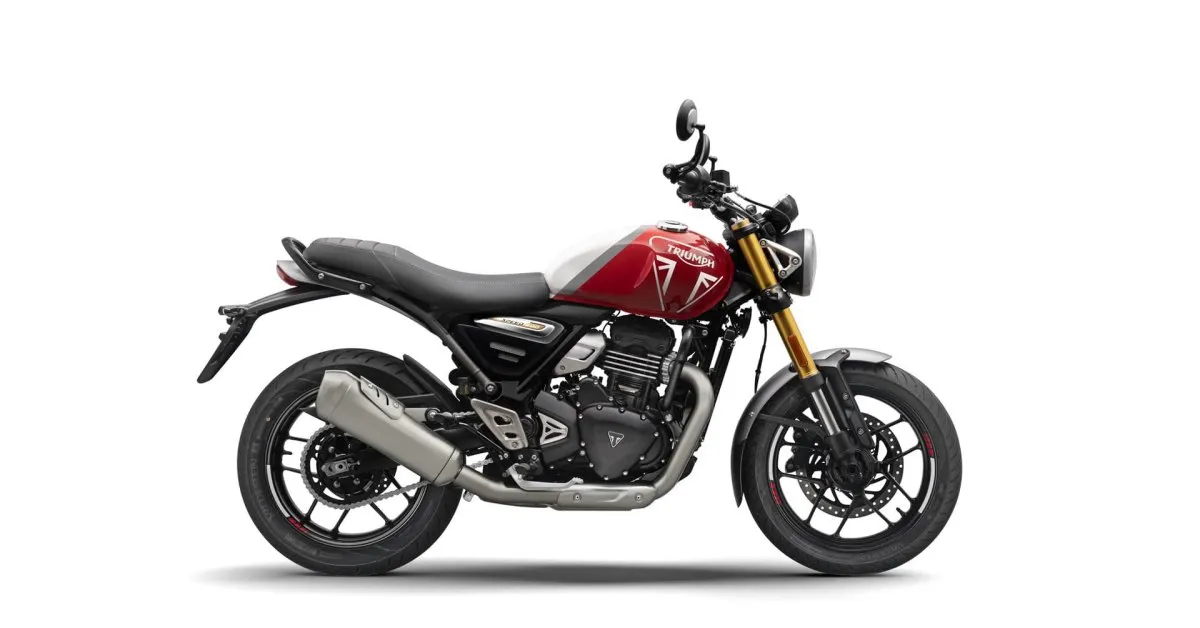
    • Triumph Speed T4: Rs. 1.95 Lakh (New Entry Point)
    • Triumph Speed 400: Rs. 2,31,890
    • Triumph Scrambler 400: Rs. 2,59,241
    • Triumph Thruxton 400: Rs. 2,65,538
    • Triumph Scrambler 400 XC: Rs. 2,89,534 (Range Topper)

    Performance Metrics: Power Meets Efficiency

    Despite the downsizing, the lineup remains performance-oriented. The new 350 cc avatar produces varied outputs across models:

    • Thruxton & Tracker 400: These remain the power leaders, churning out 40 PS at 8,750 rpm and 32 Nm. The Thruxton boasts a top speed of 157 kmph.
    • Speed 400 & Scrambler: Now deliver 37 PS and 32 Nm, with the Speed 400 hitting 0–100 kmph in a swift 8.1 seconds.
    • Speed T4: Targeted at city commuters, it develops 29 PS and 31 Nm, reaching a top speed of 137 kmph.

    Strategic Growth and Future Outlook

    Triumph’s reach has expanded to over 230 outlets across 200 towns, ensuring that these new prices are backed by a strong service network.

    Commenting on the milestone, Manik Nangia, President, Probiking, Bajaj Auto Ltd., said:

    “The 18% GST bracket enables more competitive pricing while retaining the character that defines our products. We are confident that with these on-road savings, we will bring many more riders into the Triumph family as we enter FY27.”

    Source

  • Tata Safari EV India Launch Confirmed for Late 2026: A New Benchmark with 600 km Range and AWD Capabilities

    Tata Safari EV India Launch Confirmed for Late 2026: A New Benchmark with 600 km Range and AWD Capabilities

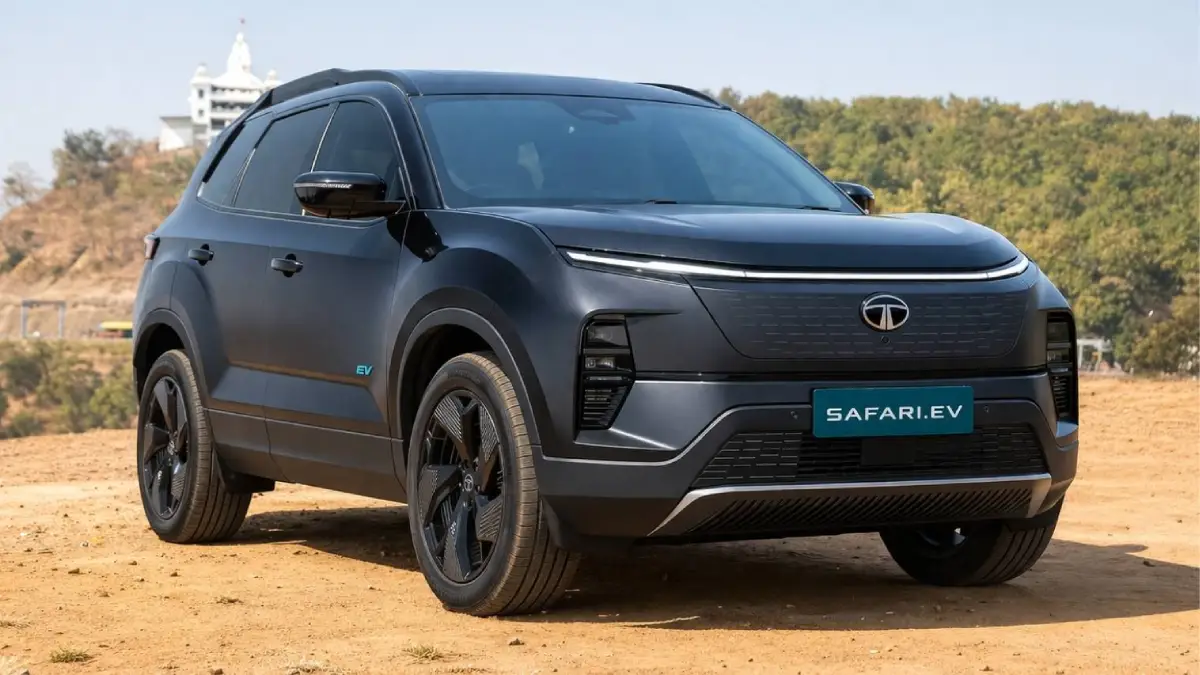
    Tata Safari EV To Be Launched: Tata Motors is set to electrify its flagship SUV experience as it prepares for the highly anticipated launch of the Safari EV in the fourth quarter of 2026. Following the scheduled release of the Sierra EV this summer, the Safari EV will complete the brand’s transition, ensuring every SUV in its portfolio offers a green powertrain option.

    Codenamed ‘Tata Tayrona’, this three-row electric SUV is not just a battery-swapped version of its diesel counterpart but a significant engineering leap, utilizing the advanced acti.ev+ (second-generation) architecture.

    Performance: AWD and the Power of Dual Motors

    The most striking highlight of the Tata Safari EV launch is the shift from a Front-Wheel Drive (FWD) layout to a more dynamic Rear-Wheel Drive (RWD) and All-Wheel Drive (AWD) configuration.

    • Standard RWD Variant: Expected to feature a Schaeffler-made permanent magnet synchronous motor on the rear axle, producing 175 kW (235 hp) and 304 Nm of torque.
    • AWD Variant: This dual-motor powerhouse adds a Tata AutoComp-sourced motor to the front, bringing the total output to a staggering 291 kW (390 hp) and up to 504 Nm of torque (with boost).
    • Speed: Preliminary data suggests the Safari EV AWD could sprint from 0-100 km/h in less than 7 seconds, making it one of the quickest seven-seaters in the country.

    Battery, Range, and Charging Tech

    Tata Motors is likely to offer two Lithium Iron Phosphate (LFP) battery options to cater to different range requirements:

    1. 65 kWh Battery: Aimed at the RWD variant, offering a practical range of approximately 500 km.
    2. 75 kWh Battery: Expected to be the mainstay for the AWD model, pushing the range to an impressive 600 km on a single charge.

    The SUV will support high-speed DC charging (up to 120 kW for the larger pack) and will come standard with Vehicle-to-Load (V2L) and Vehicle-to-Vehicle (V2V) bi-directional charging, allowing the car to act as a mobile power bank.

    Luxury Meets Cutting-Edge Tech

    The Safari EV will be available in both six-seat (captain seats) and seven-seat configurations. Beyond the cabin layout, the mechanical upgrades are substantial. The traditional torsion beam suspension is expected to be replaced by a multi-link rear suspension with Frequency Dependent Dampers (FDD), promising a ride quality that mirrors global luxury standards.

    On the tech front, the Safari EV is rumored to debut several “segment-first” features:

    • Transparent Chassis View: For easier navigation through tight spots.
    • Summon Mode & Auto Park Assist (APA): Allowing the vehicle to park itself autonomously.
    • DrivePay: An integrated UPI-based system for seamless charging and FasTag payments directly from the infotainment screen.

    Market Competition

    Set to rival the Mahindra XEV 9S, which entered the market in January, the Safari EV represents Tata’s second model adapted from the prestigious JLR D8 platform. With its sophisticated acti.ev+ bones and a suite of high-tech features, the Safari EV is positioned to be a formidable player in the premium electric SUV space when it hits showrooms in late 2026.

  • Triumph Tracker 400 Launched in India: New Flat-Track Style Icon Priced at Rs. 2.46 Lakh

    Triumph Tracker 400 Launched in India: New Flat-Track Style Icon Priced at Rs. 2.46 Lakh

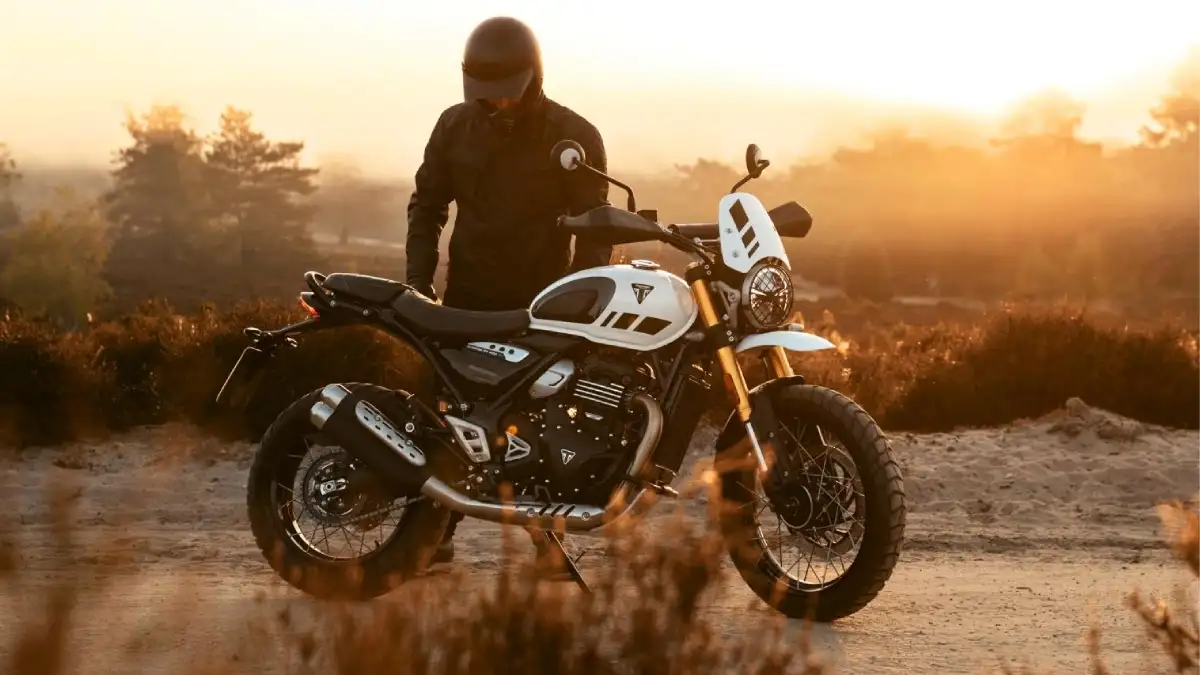
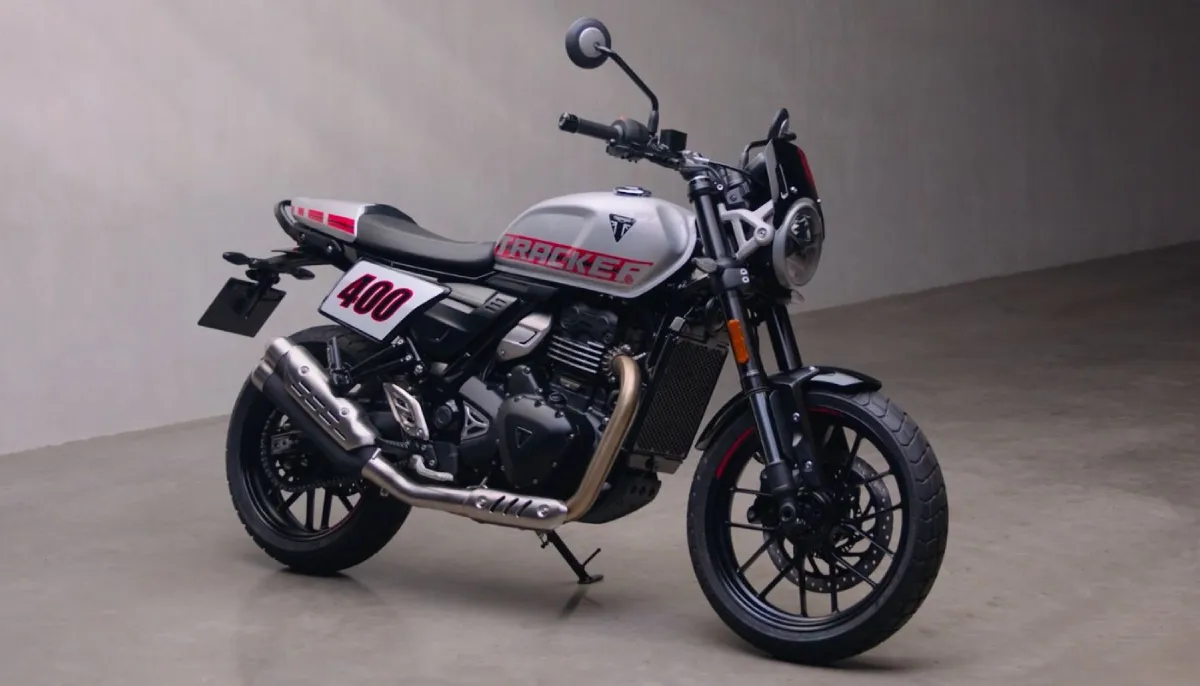
    Triumph Tracker 400 Launched: In a significant move to dominate the mid-capacity premium motorcycle segment, Triumph Motorcycles, in collaboration with Bajaj Auto, has officially launched the all-newTriumph Tracker 400 in India. Priced at Rs. 2,46,225 (ex-showroom, Delhi), the Tracker 400 is not just a new model but a bold statement in styling, bringing the niche “flat-track” racing aesthetic to the mainstream Indian rider.

    The Heart of the Machine: A Specially Tuned TR-Series Engine

    The headline of this launch remains the powertrain. With the Triumph Tracker 400 launched, the brand has introduced a refined version of its celebrated liquid-cooled TR-series engine. Displacing 350 cc, this single-cylinder DOHC motor is engineered to deliver a robust 40 PS of power at 8,750 rpm.

    While it shares its DNA with the Thruxton 400, the Tracker 400’s engine mapping has been tweaked for a “snappy” throttle response. This ensures that the bike feels light and flickable in stop-and-go city traffic while maintaining enough top-end grunt for weekend highway sprints. The engine is paired with a 6-speed gearbox, featuring a torque-assist clutch that reduces lever effort, making long rides less tiring.

    Flat-Track Heritage Meets Modern Street Design

    Design is where the Tracker 400 truly stands out from its siblings, the Speed 400 and Scrambler 400 X. Drawing inspiration from the dirt ovals of America, the motorcycle sports a minimalistic, “stripped-back” look.

    The visual identity is defined by:

    • The Signature Number Board: Instead of traditional side panels, the bike features a racing-style number board with “400” branding.
    • Sculpted Ergonomics: The fuel tank includes deep knee recesses, allowing the rider to “tuck in” during spirited riding.
    • Distinctive Detailing: Triumph has introduced “mud-splatter” graphics and racing stripes across the bodywork, available in three premium finishes: Racing Yellow, Phantom Black, and Aluminium Silver Gloss.
    • Lighting and Cockpit: A classic round LED headlamp is complemented by a compact flyscreen. The instrumentation is a blend of heritage and tech, featuring a large analogue speedometer with an integrated digital LCD for tachometer and trip details.

    Performance-Oriented Hardware and Handling

    Triumph has not compromised on the mechanical components. The Tracker 400 is built on a dedicated hybrid backbone/perimeter frame designed for sharp handling.

    • Suspension: The front end is managed by 43 mm upside-down (USD) big piston forks, providing 140 mm of wheel travel. The rear features a gas-charged monoshock with a remote reservoir and preload adjustability.
    • Braking and Safety: Anchoring the bike is a 300 mm front disc gripped by a four-piston radial caliper. Safety is bolstered by a dual-channel ABS system and switchable traction control, allowing experienced riders to disable the aids for a more raw dirt-track experience.
    • Tires: The bike rides on 17-inch alloy wheels wrapped in dual-purpose, block-pattern tires that offer excellent grip on tarmac and light gravel.

    Strategic Positioning and Market Impact

    The launch of the Tracker 400 marks a strategic expansion for Triumph in India. By pricing it at Rs. 2.46 Lakh, Triumph is directly challenging the dominance of 350cc-500cc rivals.

    Commenting on the launch, Manik Nangia, President, Probiking, Bajaj Auto, highlighted the brand’s vision:

    “The Speed 400 and Scrambler 400 X have already set a benchmark for quality and performance in India. With the Triumph Tracker 400 launched, we are offering something unique—a flat-track attitude that is sportier, lighter, and more lifestyle-oriented. We believe this will resonate strongly with younger riders who want a motorcycle that looks like a custom build straight from the factory.”

    Verdict

    With premium touches like precision-machined engine fins, neatly concealed wiring, and high-quality paintwork, the Tracker 400 feels every bit like a premium Triumph. For riders looking for a blend of retro-cool and modern performance, the Tracker 400 is set to be the new benchmark in the sub-500cc category. Bookings are now open across all Triumph dealerships in India, with deliveries expected to commence later this month.

  • Leaked Specs: Triumph’s New 350cc Lineup Performance Details Emerge Ahead of April 6 Launch

    Leaked Specs: Triumph’s New 350cc Lineup Performance Details Emerge Ahead of April 6 Launch

    HINCKLEY, UK – Ahead of the highly anticipated official launch on April 6, a leaked document has pulled back the curtain on Triumph Motorcycles’ strategic shift toward a smaller displacement engine for its entry-level global lineup. The British marquee is set to transition from its current 400cc platform to a new 350cc engine, a move largely driven by tax efficiency and broader market accessibility.

    The leak provides a comprehensive look at the power, torque, and performance metrics for the upcoming Speed 350 (or Speed 400), Scrambler X/XC, Thruxton 400/350, and the Speed T4.

    Engineering Shift: Bore Reduction for Better Value

    Triumph has reportedly achieved the displacement drop from 398cc to 349cc by reducing the engine’s bore size. While the displacement is smaller, the manufacturer aims to retain the premium “400” branding in some markets while leveraging the lower GST brackets in others.

    On average, the new lineup sees a power dip of 2–5 PS and a torque reduction of 5–6 Nm. While on-paper performance shows a slight decline, industry experts suggest the real-world impact in urban environments will be negligible.

    Model-by-Model Performance Comparison

    1. The Cafe Racer: Thruxton 400

    The Thruxton remains the powerhouse of the entry-level family, though it sees a slight softening of its aggressive edge.

    • New Power: 40 PS @ 8,750 RPM | Torque: 32 Nm @ 7,500 RPM
    • Performance: 0-100 kmph in 8.3 seconds.
    • Top Speed: 157 kmph (Down from 161 kmph).

    2. The Roadster: Speed 400 (350cc)

    Triumph’s popular roadster maintains its agile character despite the downsized heart.

    • New Power: 37 PS @ 8,500 RPM | Torque: 32 Nm @ 7,000 RPM
    • Performance: 0-100 kmph in 8.1 seconds.
    • Top Speed: 147 kmph (A marginal 1 kmph drop).

    3. The Adventurers: Scrambler 400 X & XC

    Both Scrambler variants share the same tuning, prioritizing a balance between highway stability and low-end grunt.

    • New Power: 37 PS @ 8,500 RPM | Torque: 32 Nm @ 7,000 RPM
    • Performance: 0-100 kmph in 8.8 seconds.
    • Top Speed: 144 kmph (Down from 146.5 kmph).

    4. The Entry Point: Speed T4

    The most accessible model in the range sees the most significant change in its acceleration profile.

    • New Power: 29 PS @ 7,500 RPM | Torque: 31 Nm @ 5,500 RPM
    • Performance: 0-100 kmph in 9.6 seconds.
    • Top Speed: 137 kmph (Down from 141 kmph).

    The Bottom Line

    While enthusiasts might focus on the slight reduction in top-end speed (3–5 kmph lower across the board) and a 0.5 to 1-second slower sprint to 100 kmph, the 350cc platform is designed for efficiency. By optimizing the engine for the 350cc segment, Triumph is positioned to offer more competitive pricing without sacrificing the signature “Triumph feel” in daily commuting and mid-range highway cruising.

    All eyes now turn to the April 6 launch event, where final pricing and regional availability will be confirmed.

  • Chery’s Exeed EX7 Set for April 17 Launch: A Global First for ‘Aviation-Grade’ Digital Braking

    Chery’s Exeed EX7 Set for April 17 Launch: A Global First for ‘Aviation-Grade’ Digital Braking

    WUHU, China – Chery’s high-end subsidiary, Exeed, is poised to disrupt the global automotive landscape on April 17, 2026, with the official market launch of the EX7 SUV. The flagship model—an evolution of the Exlantix ET designed for international markets—arrives as the world’s first mass-produced passenger vehicle to feature a pure Electronic Mechanical Braking (EMB) system.

    The EX7, which opened for blind pre-orders on March 18, represents a leap toward “dry” automotive architecture by eliminating traditional hydraulic fluids and hoses entirely.

    The Death of Hydraulics: Aviation Tech for the Road

    The defining feature of the EX7 is its aerospace-inspired EMB system. Developed over three years, this technology replaces the century-old hydraulic master cylinder and oil lines with high-speed digital actuators.

    According to Chery’s Executive Vice President, Li Xueyong, the system solves several critical engineering hurdles:

    • Response Time: The EMB system reacts in just 90 milliseconds, nearly three times faster than the 280-millisecond average of traditional hydraulic setups.
    • Safety: The millisecond-level precision significantly shortens emergency stopping distances—recorded at an impressive 33 meters from 100 km/h.
    • Intelligent Nerves: When paired with the Flying Fish Chassis 3.0, the braking system acts as a digital nervous system, offering superior stability during high-speed maneuvers and 15% better energy recovery through regenerative braking.

    Powertrain Diversity and Range

    Chery is catering to both pure-electric enthusiasts and those with range anxiety by offering two distinct powertrain architectures:

    1. Pure Electric (BEV) Variant:

    • Battery: 97.682 kWh (CATL ternary lithium).
    • Performance: Dual-motor configuration (123 kW front / 230 kW rear) delivering 353 kW (473 hp).
    • Range: Between 682 km and 726 km (CLTC).
    • Charging: 800V high-voltage architecture allows a 30% to 80% charge in just 9 minutes.

    2. Range-Extender (EREV) Variant:

    • Engine: 1.5T high-efficiency generator.
    • Electric Range: Up to 203 km on battery power alone.
    • Total Combined Range: Exceeding 1,500 km, placing it among the leaders in long-distance travel.

    Minimalist Luxury and Spatial Design

    Standing at 4,988 mm long with a massive 3,000 mm wheelbase, the EX7 is positioned as a mid-to-large luxury five-seater. The exterior follows a “modern minimalist” aesthetic, featuring seamless full-width LED strips and a roof-mounted LiDAR sensor for advanced autonomous driving.

    Inside, the cabin is dominated by a 30-inch 6K integrated display that merges the driver’s console with a passenger entertainment hub. Premium amenities include:

    • Zero-Gravity Seats with massage, ventilation, and heating.
    • An intelligent Cooling & Heating Refrigerator (-18°C to 50°C).
    • A 23-speaker panoramic audio system with 2,880W output.

    Market Outlook

    With an estimated price range of 200,000 to 280,000 yuan ($29,000 – $40,000 USD), the Exeed EX7 is taking a direct shot at established competitors like the Li Auto L8 and Aito M8. By standardizing aerospace-grade braking and 800V charging, Chery isn’t just selling a luxury SUV; it’s signaling a fundamental shift in how future vehicles will think and stop.

  • BYD Unveils the ‘Great Tang’: A Flagship SUV Set to Redefine Range with 950km Capability

    BYD Unveils the ‘Great Tang’: A Flagship SUV Set to Redefine Range with 950km Capability

    SHENZHEN – BYD is preparing to tighten its grip on the premium automotive sector with the upcoming launch of the Great Tang, a full-size flagship SUV designed to push the boundaries of electric range and luxury technology.

    Following its official reveal on March 5, BYD Dynasty sales division General Manager, Lu Tian, confirmed via Weibo that pre-sales for the ambitious model will commence this month, with a formal market launch scheduled for May 2026.

    Breaking the Range Barrier

    The headline feature of the Great Tang is its extraordinary endurance. The all-electric (BEV) rear-wheel-drive variant is equipped with BYD’s second-generation Blade Battery, boasting a 130.15 kWh capacity. This setup delivers a staggering 950 km CLTC range, positioning it among the longest-range electric crossovers globally.

    For performance enthusiasts, a four-wheel-drive (4WD) version offers:

    • Power Output: 585 kW (784 hp)
    • Acceleration: 0 to 100 km/h in just 3.9 seconds
    • Electric Range: 850 km

    The Great Tang also introduces megawatt-charging technology, significantly reducing downtime for a vehicle of this scale.

    The Largest BYD to Date

    Measuring 5,302 mm in length with a 3,130 mm wheelbase, the Great Tang is the largest crossover to ever wear the BYD badge. Inside, the three-row, seven-seat cabin is designed as a “mobile lounge,” featuring:

    • A triple-screen center console and a ceiling-mounted entertainment display.
    • Second-row folding tables and a built-in refrigerator.
    • Zero-gravity seating for four passengers and a 27-speaker premium audio system.

    Chassis and Performance Engineering

    To manage its “hefty” dimensions, BYD has equipped the flagship with sophisticated chassis tech. The vehicle features the DiSus-A suspension with dual-chamber air springs and rear-wheel steering. Remarkably, the SUV boasts a turning radius of just 5.2 meters—tighter than that of a standard compact hatchback.

    Market Strategy and Competition

    While early reports suggested a price tag above 400,000 yuan ($58,090 USD), market analysts expect BYD to position the Great Tang more aggressively—likely below 300,000 yuan ($43,570 USD).

    This strategic pricing aims to avoid internal competition with BYD’s high-end Denza sub-brand while directly challenging the Geely Galaxy M9. The M9 has seen strong momentum recently, delivering over 11,000 units in the first two months of the year, setting the stage for a high-stakes showdown in the Chinese full-size SUV segment.

    Beyond the full-electric model, BYD will offer PHEV (Plug-in Hybrid) variants, including the DM-i for efficiency and the DM-p for performance, ensuring the Great Tang appeals to a broad spectrum of the luxury market.

    Source