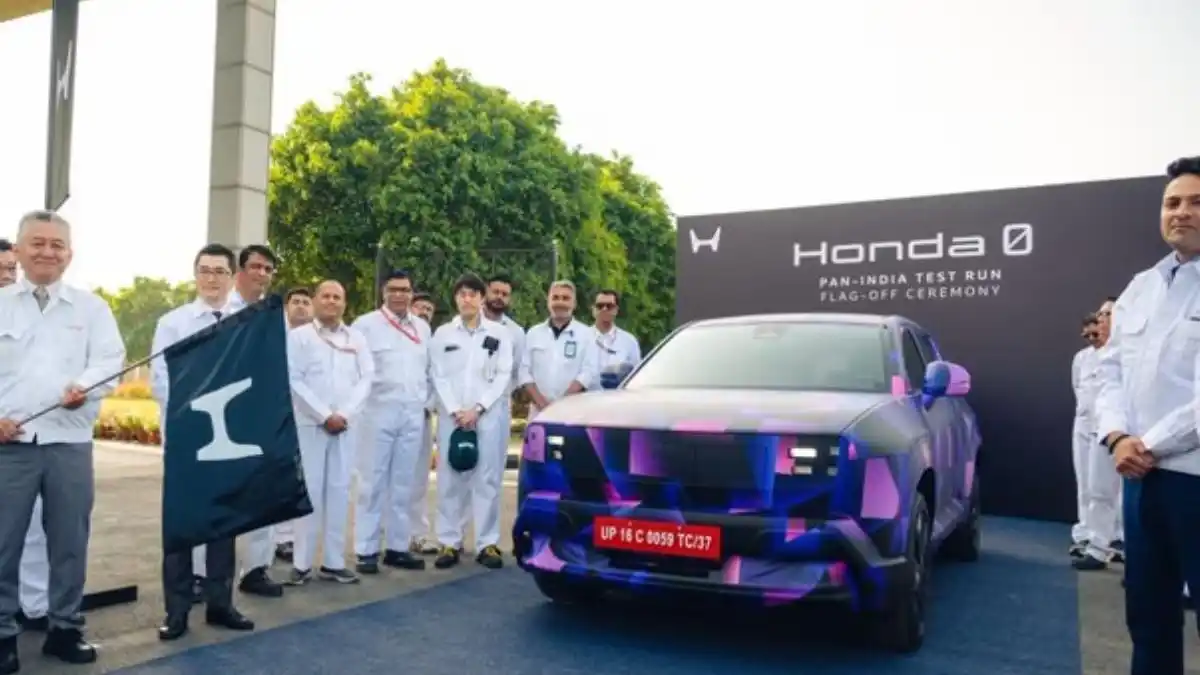
Japanese automaker Honda is preparing to enter the Indian electric vehicle market with its first electric SUV. The company has officially started testing the upcoming EV on Indian roads, signaling a major step in its electrification strategy for the country. Once launched, the new electric SUV is expected to compete directly with popular EV models from Tata Motors.
Electric SUV Testing Starts in India
The testing program has begun from Honda’s Tapukara plant in Rajasthan. Under this program, the SUV will be driven across various road conditions across India to evaluate its real-world performance.
Engineers will test the vehicle on highways, city roads, and rough terrains to understand how well it adapts to Indian driving conditions. During these trials, the engineering team will focus on several critical aspects including durability, handling, ride comfort, efficiency, and overall reliability.
Extreme Heat and Monsoon Testing Planned
India’s climate and road infrastructure present unique challenges for vehicles. To ensure the SUV performs reliably in all conditions, Honda will also test the electric vehicle during extreme summer heat as well as the monsoon season.
Additionally, the company will analyze charging performance across different charging infrastructures available in the country. This step is important to confirm that the electric SUV is practical for everyday use in India.
Prototype Earlier Revealed at Japan Mobility Show
The concept version of this electric vehicle was previously showcased as Honda 0 α at the Japan Mobility Show 2025. The current testing phase is believed to be part of the development process for the production version intended for the Indian market.
According to Takashi Nakajima, the public road testing program across India marks a significant milestone in Honda’s electrification journey. He stated that India’s weather and driving environments are very different from other markets, making real-world testing essential for developing reliable electric vehicles.
The company aims to deliver an electric SUV that offers dependable performance, comfort, and ease of driving for customers.
Expected Launch Timeline
Honda’s upcoming electric SUV is being designed with urban mobility and lifestyle-focused driving in mind. As per the company’s plan, the model is expected to launch in the financial year 2026-27.
Initially, the SUV will be introduced in major markets such as India and Japan. Notably, the vehicle will be manufactured in India and will also be exported to other international markets.
Honda’s upcoming electric SUV will play a crucial role in the company’s EV strategy in India. With public road testing now underway, more details about its design, features, and specifications are likely to emerge in the coming months.
German luxury car manufacturer Audi has announced that it will increase the prices of its cars in India by up to 2 percent starting April 1, 2026. The price revision will apply to the company’s entire product lineup, although the exact increase will vary depending on the specific model.
According to the automaker, the decision has been taken due to rising input costs and fluctuations in currency exchange rates, which have impacted the overall cost of manufacturing and operations.
Price Hike to Affect Entire Audi Range
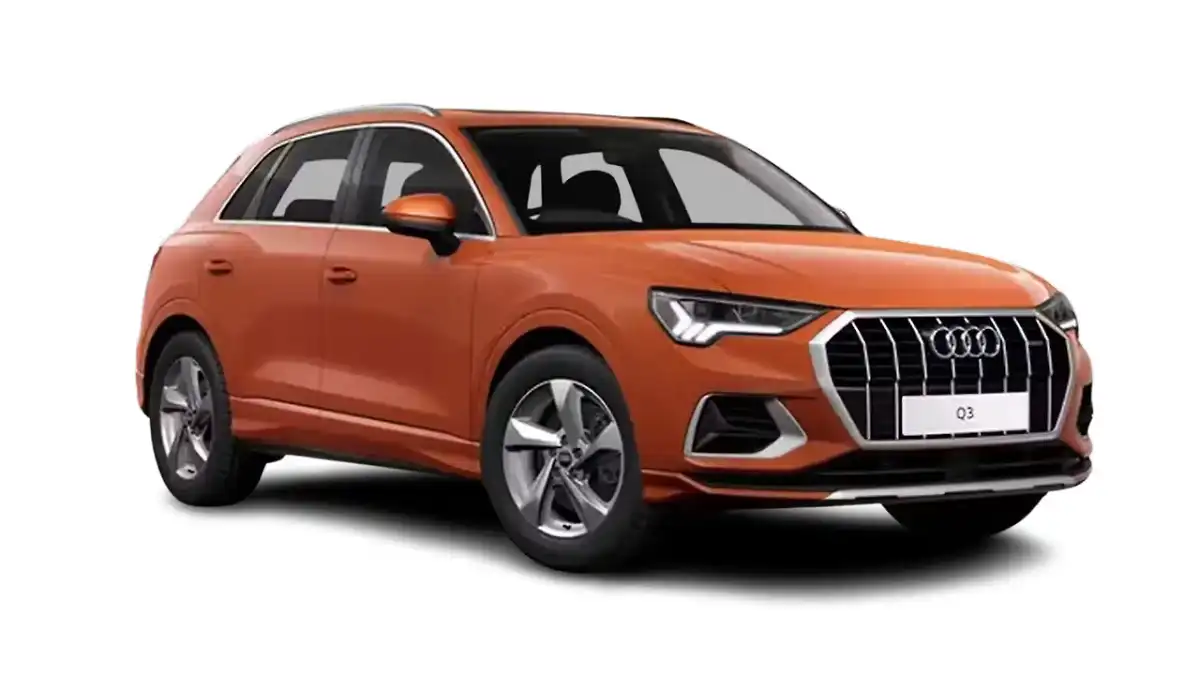
The upcoming price increase will impact all models sold by Audi in the Indian market. The brand currently offers a wide range of luxury sedans, SUVs, and electric vehicles including the Audi A4, Audi A6, Audi Q3, Audi Q5, Audi Q7, Audi Q8 and the performance-focused Audi RS Q8 in the country.
The increase will be reflected in the ex-showroom prices of these vehicles once the revised pricing comes into effect.
Balbir Singh Dhillon, Brand Director at Audi India, said the company aims to minimize the impact of the price adjustment on customers, despite the rising operational costs.
Reason Behind the Price Revision
The company explained that the price adjustment is necessary because of higher input costs and currency fluctuations, which have increased production and import expenses.
Luxury car manufacturers often rely on imported components and Completely Built Units (CBUs), making them sensitive to foreign exchange movements and global supply chain costs. As a result, automakers periodically revise prices to maintain profitability.
Industry reports indicate that several luxury car brands have taken similar steps recently to cope with rising costs.
Upcoming Launches from Audi India
The announcement comes at a time when Audi is preparing to expand its product lineup in India.
The company has already started accepting bookings for the upcoming Audi SQ8, a performance SUV powered by a 4.0-litre twin-turbo V8 engine producing around 500bhp and 770Nm of torque.
Additionally, the next major launch expected from the brand could be the new generation of the Audi Q3, which continues to be one of the company’s most popular luxury SUVs in India.
Conclusion
With the upcoming price hike of up to 2 percent, buyers planning to purchase an Audi vehicle may consider booking their car before April 1, 2026 to avoid the increased pricing.
Despite the revision, Audi continues to strengthen its presence in India with new product launches and an expanding luxury portfolio, keeping the brand competitive in the premium automobile segment.
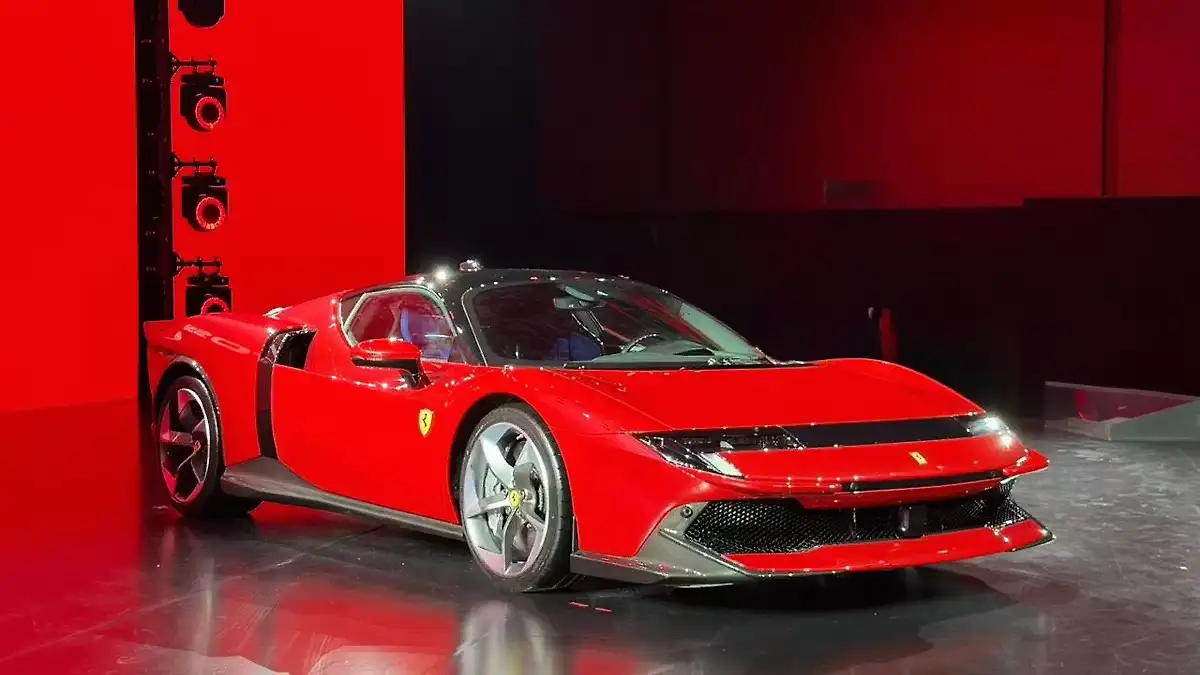
Ferrari has officially unveiled its newest flagship supercar, the Ferrari 849 Testarossa, in India with a starting price of ₹10.37 crore (ex-showroom) before optional customisations. The new model replaces the Ferrari SF90 Stradale in the brand’s global lineup and marks the return of one of Ferrari’s most iconic nameplates.
The revival of the Testarossa badge is a significant moment for the Italian luxury carmaker. The name last appeared on a Ferrari production model in 1996, when the Ferrari F512 M ended its production run. Nearly three decades later, Ferrari has reintroduced the legendary name with a modern hybrid supercar.
A Powerful Hybrid Powertrain
At the heart of the Ferrari 849 Testarossa is a 4.0-litre twin-turbocharged V8 engine paired with three electric motors and a lithium-ion battery pack.
Unlike the classic Testarossa models that used a flat-12 engine, the new version adopts a plug-in hybrid powertrain, similar in concept to the Ferrari SF90 Stradale.
Key powertrain highlights include:
Combined power output of around 1,050bhp
Advanced plug-in hybrid system
Electric motors powering the front wheels
Torque vectoring for improved cornering performance
This makes the car the most powerful production Ferrari ever built, placing it in the same performance category as the Lamborghini Revuelto.
Stunning Performance Figures
The performance numbers of the Ferrari 849 Testarossa are as dramatic as its design.
Performance specifications include:
0–100 km/h: Under 2.3 seconds
Top speed: Electronically limited to 330 km/h
Electric-only range: Up to 25 km
The electric motors also allow the car to drive in limited electric-only mode, making it both powerful and technologically advanced.
Design Inspired by the Original Testarossa
Ferrari has carefully blended retro inspiration with modern styling in the design of the Ferrari 849 Testarossa.
The car draws visual inspiration from the original 1980s Testarossa, including:
Wide stance and muscular proportions
Dramatic side surfaces
Modern aerodynamic sculpting
Sharper and more aggressive body lines
The design language also reflects styling cues from Ferrari’s latest supercar family.
Advanced Aerodynamics and Chassis Technology
Ferrari has equipped the new supercar with advanced aerodynamics and chassis technology.
Key highlights include:
Active aerodynamic elements generating over 400kg of downforce
Updated chassis electronics
Advanced torque-vectoring system
High-performance braking package
These upgrades significantly improve high-speed stability and track performance.
Spider Version Expected Later
Ferrari is also expected to introduce a retractable hard-top Spider version of the Ferrari 849 Testarossa, similar to the strategy used for the Ferrari SF90 Spider.
Like most flagship Ferraris, production is expected to remain limited, and many units are likely to be reserved for Ferrari’s long-standing clients and collectors.
Conclusion
The Ferrari 849 Testarossa represents a bold return for one of Ferrari’s most legendary names. With a 1,050bhp hybrid powertrain, stunning performance, and cutting-edge technology, the new model sets a new benchmark for Ferrari’s flagship supercars.
Priced at ₹10.37 crore in India, the car blends heritage, innovation, and extreme performance, making it one of the most exciting supercars launched in recent years.
FAQs
What is the price of the Ferrari 849 Testarossa in India?
The Ferrari 849 Testarossa is priced at ₹10.37 crore (ex-showroom) in India.
Which Ferrari model does the 849 Testarossa replace?
The new supercar replaces the Ferrari SF90 Stradale in Ferrari’s lineup.
How powerful is the Ferrari 849 Testarossa?
The car produces around 1,050bhp from its hybrid V8 powertrain.
What is the top speed of the Ferrari 849 Testarossa?
The Ferrari 849 Testarossa can reach a top speed of 330 km/h.
Does the Ferrari 849 Testarossa have an electric driving mode?
Yes, the plug-in hybrid system allows limited electric-only driving with up to 25 km range.
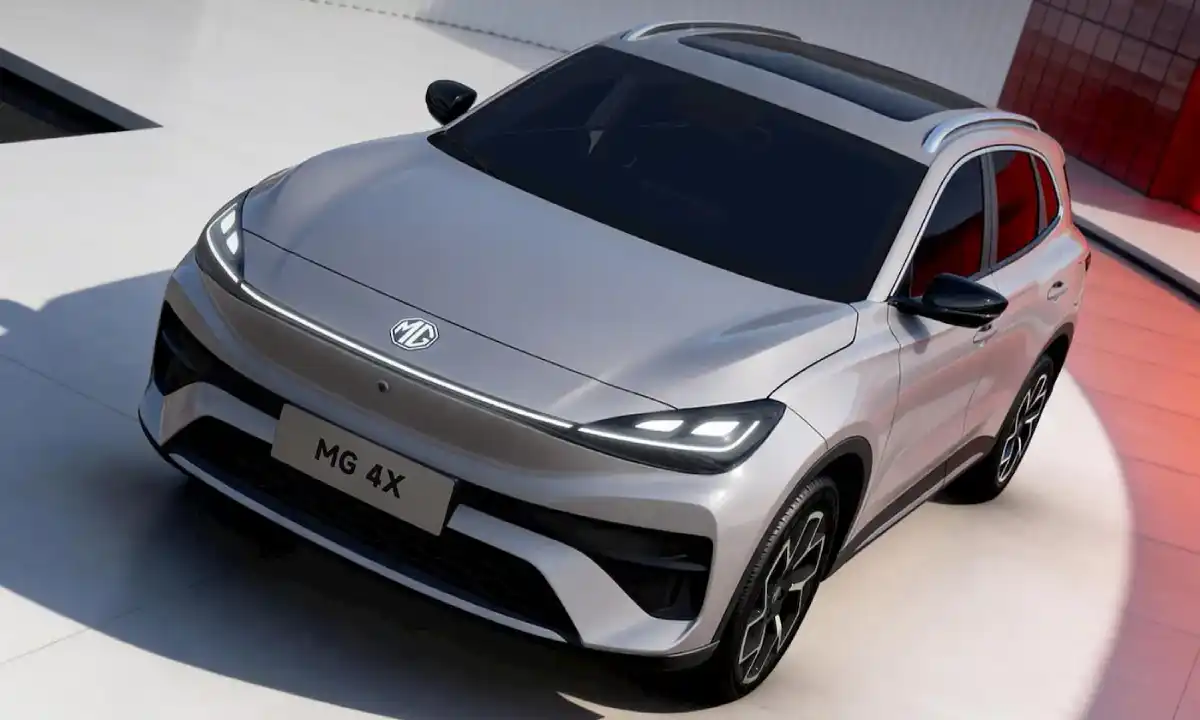
MG Motor has unveiled a new electric SUV called the MG 4X Electric SUV ahead of its official global debut at the upcoming Auto China Show 2026 in Beijing. The newly revealed model is expected to strengthen MG’s growing electric vehicle lineup and may eventually replace the popular MG ZS EV in several markets.
In India, JSW MG Motor India has already built a strong presence in the electric vehicle segment, largely due to the success of the MG Windsor EV and the brand’s innovative Battery-as-a-Service (BaaS) pricing strategy. However, other models like the MG Comet EV and the MG ZS EV have not achieved the same level of commercial success.
Reports suggest that MG may gradually replace both the ZS EV and the Astor with newer models by 2027, and the newly revealed MG 4X could be one of the candidates for that role.
MG 4X Electric SUV Dimensions and Segment Positioning
The MG 4X Electric SUV is positioned as a compact electric crossover within MG’s global MG4 family. Dimensionally, the SUV measures:
Length: 4,395 mm
Width: 1,842 mm
Height: 1,551 mm
Wheelbase: 2,750 mm
With these proportions, the SUV is expected to compete with vehicles such as the BYD Atto 2 in international markets. While the MG 4X is slightly longer and wider, the Atto 2 has a taller body profile.
Within the brand’s lineup, the MG 4X sits below the MG S5 and MG ES5 models, making it an entry-level offering in the MG4 electric SUV family.
Exterior Design and Styling
The design of the MG 4X Electric SUV reflects the brand’s modern electric vehicle styling language. Several elements appear inspired by the design seen on the MG S5 and MG ES5.
At the front, the SUV features a distinctive fascia that includes:
A connected LED light bar
Stylish LED headlamps
Prominent MG logo on the front
Sporty bumper with black highlights
From the side, the vehicle displays a crossover SUV silhouette with a premium touch. Key highlights include:
Chrome window line detailing
Dual-tone machined alloy wheels
Conventional door handles
Charging port placed on the rear-left quarter panel
At the rear, the SUV features connected LED tail lights, which further enhance its modern look.
Interior Details Still Under Wraps
As of now, the interior design of the MG 4X Electric SUV has not been officially revealed. MG is expected to showcase the cabin design during the vehicle’s global debut at the Auto China Show 2026 next month.
However, considering MG’s recent EVs, the SUV is likely to feature:
A large touchscreen infotainment system
A digital driver display
Connected car technology
Advanced driver assistance features
More information about the cabin layout and technology features will become clear once the SUV is officially unveiled.
Battery, Range, and Powertrain
The MG 4X Electric SUV is expected to be powered by a 53.95 kWh battery pack. Some reports suggest that the vehicle may use a semi-solid-state battery, which could offer improved safety and energy efficiency compared to conventional lithium-ion batteries.
According to early estimates, the electric SUV could deliver a driving range of up to 510 km on a single charge based on the CLTC testing cycle.
In terms of performance, the SUV is likely to feature:
Single electric motor
Front-wheel-drive (FWD) configuration
Additional powertrain options could be introduced later depending on the market.
Could MG 4X Launch in India?
Although JSW MG Motor India has not confirmed plans to launch the MG 4X Electric SUV in the Indian market, the vehicle’s size and battery capacity are quite similar to the existing MG ZS EV.
This similarity has sparked speculation that the MG 4X could potentially replace the ZS EV in India in the coming years. If introduced, it could strengthen MG’s electric SUV portfolio and compete in India’s rapidly growing EV segment.
FAQs
What is the battery capacity of the MG 4X Electric SUV?
The MG 4X Electric SUV is expected to feature a 53.95 kWh battery pack.
What is the expected range of the MG 4X Electric SUV?
The SUV could offer a driving range of up to 510 km on a single charge based on the CLTC cycle.
Will the MG 4X Electric SUV launch in India?
There is no official confirmation yet, but reports suggest it could potentially replace the MG ZS EV in India in the future.
What type of powertrain will the MG 4X Electric SUV have?
The vehicle is expected to come with a single electric motor and front-wheel-drive setup.
When will the MG 4X Electric SUV make its global debut?
The SUV will be officially showcased at the Auto China Show 2026 in Beijing.
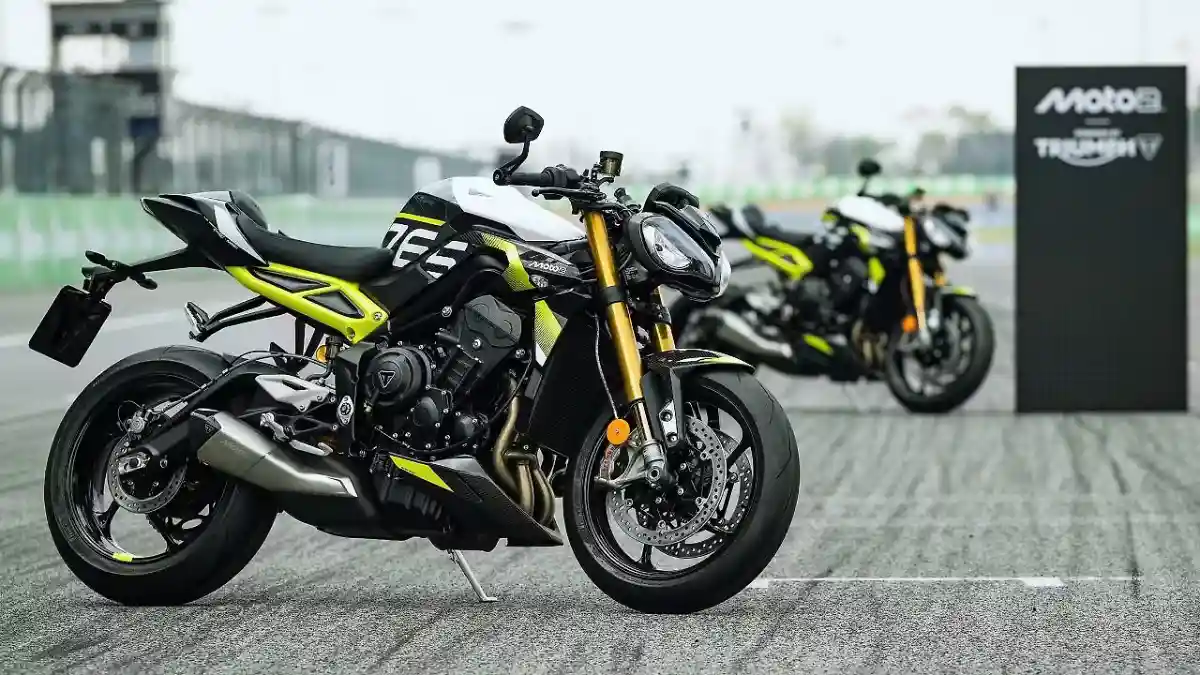
Triumph Motorcycles has achieved a significant milestone in the Indian market, with over 1 lakh Triumph motorcycles now running on Indian roads. The announcement was made by its strategic partner Bajaj Auto, which is responsible for the manufacturing and distribution of Triumph bikes in India.
This achievement comes just around 2.5 years after the Bajaj–Triumph partnership began in the second quarter of 2023. The rapid growth highlights how quickly the British motorcycle brand has expanded its presence in India’s premium motorcycle segment.
The milestone also reflects the increasing demand for mid-capacity premium motorcycles among Indian riders who are looking for a combination of performance, modern technology, and stylish design.
Rapid Expansion Across India
Since the partnership began, Triumph Motorcycles has significantly expanded its footprint across the country with the support of Bajaj Auto. By leveraging Bajaj’s manufacturing capabilities, research and development expertise, and large distribution network, Triumph has been able to reach a much wider audience.
Today, the brand has a presence in more than 200 towns and cities across India. Its network now includes over 230 dealerships and retail outlets, making Triumph motorcycles more accessible to customers across the country.
This expansion has played a key role in building strong brand awareness and attracting new riders to the premium motorcycle segment.
Popular Triumph 400cc Motorcycles
A major reason behind Triumph’s success in India has been the launch of its 400cc motorcycle lineup, which offers premium features at relatively accessible prices.
Two of the most popular models in this lineup are:
Triumph Speed 400
Triumph Scrambler 400 X
These motorcycles are designed to offer a blend of classic styling and modern performance. The Speed 400 is built primarily for road riding with a sporty yet retro-inspired design, while the Scrambler 400 X offers a more rugged setup suitable for both city rides and light off-road adventures.
Both models are powered by a 400cc engine platform jointly developed by Triumph and Bajaj, combining British engineering with efficient manufacturing in India.
India-Made Triumph Bikes Exported Worldwide
Motorcycles manufactured in India are not only serving domestic customers but are also being exported to several international markets.
Currently, India-made Triumph motorcycles are exported to 18 countries around the world, including:
Japan
Australia
Mexico
Taiwan
South Korea
This global reach highlights India’s growing role as an important manufacturing hub for Triumph motorcycles. Producing bikes in India allows the company to maintain competitive pricing while ensuring high quality that meets international standards.
Company Statement on the Milestone
Commenting on the achievement, Manik Nangia, President of the Probiking division at Bajaj Auto, said that reaching 1 lakh Triumph motorcycles on Indian roads within just 2.5 years is a proud moment for the company.
He noted that Triumph riders are passionate enthusiasts who appreciate the brand’s engineering excellence and modern-classic motorcycle designs. The company also emphasized its commitment to expanding the premium motorcycle ecosystem and strengthening engagement with riders across India.
Triumph 350cc Motorcycles Launch Expected Soon
Looking ahead, the Bajaj–Triumph partnership is preparing to further expand its product lineup in the Indian market.
Recently, **Rajiv Bajaj, Managing Director and CEO of Bajaj Auto, confirmed that a new range of Triumph motorcycles with around 350cc displacement will launch in April 2026.
These upcoming motorcycles are expected to target India’s fast-growing mid-capacity motorcycle segment.
The move is also linked to India’s revised GST 2.0 taxation structure, under which motorcycles with engines above 350cc fall into a higher tax bracket. By introducing bikes slightly below the 350cc mark, Bajaj and Triumph may be able to keep pricing more competitive while maintaining the brand’s premium positioning.
Future Growth in India
Crossing the 1 lakh sales milestone marks an important step in Triumph’s long-term strategy for the Indian market. With strong demand, expanding dealership networks, and new motorcycles expected to launch soon, the brand is well positioned for further growth.
The collaboration between Triumph Motorcycles and Bajaj Auto has already proven successful, and upcoming models could help the brand attract even more riders in India’s rapidly growing premium motorcycle segment.
India’s electric mobility space is growing rapidly, and domestic automaker Tata Motors continues to strengthen its position in the EV market. Over the past few years, the company has introduced several electric models that have played a key role in popularizing EVs among Indian buyers.
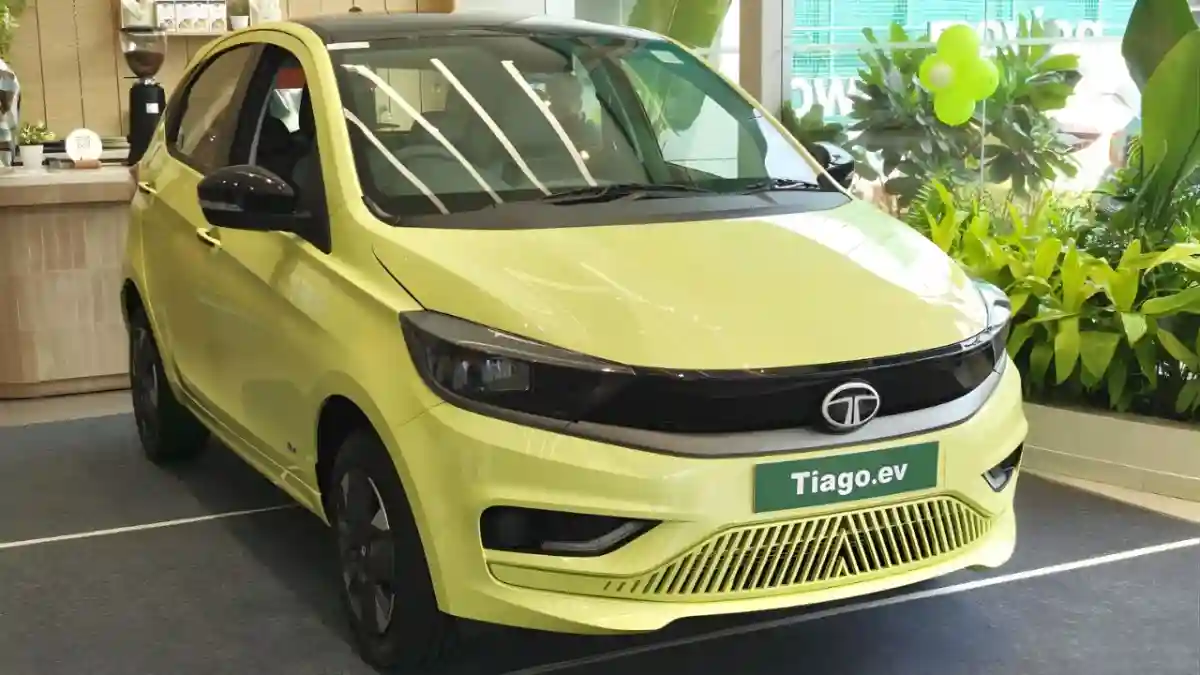
Following the success of models like the Tata Tiago EV and the recently updated Tata Punch EV, the brand now appears to be working on a refreshed version of its affordable electric hatchback. Recent spy images suggest that the upcoming Tata Tiago EV Facelift 2026 has already begun road testing in India.
The Tiago EV has been one of the most budget-friendly electric cars available in the country, making EV ownership accessible to a wider audience. With the facelifted version, Tata is expected to introduce a series of styling updates, improved lighting elements, and potentially enhancements to the battery system.
While the overall silhouette and mechanical foundation of the hatchback are expected to remain largely unchanged, the upcoming updates could help give the car a more modern and premium look. Here is a detailed look at what the refreshed Tiago EV could offer.
Exterior Design Updates
The upcoming facelift is expected to retain the recognizable design language of the current Tiago EV. Instead of a complete redesign, Tata Motors will likely follow its usual strategy of making subtle but noticeable cosmetic improvements during a mid-cycle update.
Spy photographs of the test vehicle show camouflage around certain parts of the car, especially the front and rear sections. This indicates that the key modifications will focus mainly on styling elements such as lighting components, bumper design, and possibly the wheels.
The hatchback will most likely continue with its compact dimensions and practical body shape, which make it ideal for urban driving conditions. However, with refreshed styling cues, the updated model could appear more contemporary and attractive compared to the current version.
These design refinements are aimed at keeping the Tiago EV visually competitive as new electric vehicles continue entering the Indian market.
Revised Headlamp Design
One of the most noticeable changes expected in the facelifted Tiago EV could be in the front lighting setup.
Spy shots suggest that the internal layout of the headlamps has been revised. The LED daytime running lights (DRLs), which are currently positioned lower on the bumper in the existing model, may now be integrated directly into the main headlamp cluster.
This new arrangement is expected to create an eyebrow-style DRL signature above the headlights, a design trend that has become popular in modern vehicles. Such a layout usually gives the front fascia a sharper and more sophisticated look.
Lighting elements play an important role in defining the identity of a vehicle. With these updates, the Tiago EV could gain a more futuristic appearance and improved road presence.
Updated Front Bumper Styling
Another area where changes are expected is the front bumper.
The test mule seen in spy images appears to feature a slightly revised lower air dam compared to the current model. Tata Motors may introduce a new bumper pattern or reshape certain sections to make the front end look sportier.
Although these changes might seem minor at first glance, even small adjustments to the bumper design can significantly influence the overall visual appeal of a car.
For a compact electric hatchback like the Tiago EV, these tweaks could help give it a fresher and more refined character while maintaining the familiar styling that buyers already appreciate.
New Alloy Wheel Design
The facelifted Tiago EV test vehicle has also been spotted running on a new set of wheels.
While the exact design of the alloy wheels is not clearly visible due to camouflage and motion blur, it is quite common for manufacturers to introduce updated wheel designs during a facelift. This helps differentiate the new model from the outgoing version.
A fresh alloy wheel pattern can enhance the side profile of the vehicle and add a more premium touch to its appearance. Even a small visual update in this area can make the car look more modern and appealing.
If Tata introduces redesigned alloys, it could further improve the overall aesthetic balance of the hatchback.
Rear Design Enhancements
The rear section of the Tiago EV could also receive a few styling improvements as part of the facelift.
Industry reports suggest that Tata Motors might update the tail lamp design and possibly add a connected LED light bar across the rear. This design feature has become increasingly common in newer vehicles because it creates a sleek and futuristic look.
A connected light strip not only enhances the visual appeal but also makes the rear of the car appear wider and more premium.
If implemented, this update would give the Tiago EV a more upmarket feel while maintaining its identity as an affordable electric hatchback.
Possible Battery and Performance Improvements
Apart from exterior styling upgrades, the upcoming facelift could also bring some improvements under the skin.
Currently, the Tata Tiago EV is available with two battery pack options that provide sufficient range for daily commuting.
Current Battery Options
Battery Pack
Claimed Driving Range
19.2 kWh
Up to 250 km
24 kWh
Up to 293 km
With the 2026 facelift, Tata Motors may focus on improving battery efficiency or introducing slightly larger battery packs.
The company has already demonstrated its ability to upgrade EV technology with newer models like the Punch EV. Therefore, it would not be surprising if the refreshed Tiago EV benefits from similar improvements.
Even a modest increase in driving range could make the car more attractive to buyers who want a reliable electric vehicle for everyday use without frequent charging stops.
Interior and Feature Expectations
While the spy images mainly highlight exterior changes, the interior of the Tiago EV facelift could also receive minor updates.
Tata might introduce new upholstery materials, refreshed color themes, and possibly updated infotainment software. The current model already offers features such as a touchscreen infotainment system, digital instrument cluster, and connected car technology.
The facelifted model could continue offering these features while improving the overall cabin experience with better materials and updated interface design.
However, major structural changes inside the cabin are unlikely since this is expected to be a mid-cycle refresh rather than an entirely new generation.
Expected Launch Timeline in India
As of now, Tata Motors has not officially announced the launch date for the facelifted Tiago EV.
However, considering the recent test sightings and development activity, the updated model is widely expected to debut in the Indian market sometime in 2026.
Once launched, the new Tiago EV facelift will continue to target the affordable electric car segment, where it already enjoys strong demand.
Its combination of compact size, practical driving range, and competitive pricing has helped the model become a popular option among first-time EV buyers.
Competition in the Affordable EV Segment
The Indian EV market is becoming increasingly competitive as more manufacturers introduce budget-friendly electric vehicles.
In the entry-level electric car space, the Tiago EV currently competes with models such as the MG Comet EV and the Citroen eC3.
With the facelifted version, Tata Motors will aim to maintain its leadership in this segment by offering updated styling, improved features, and potentially better battery performance.
Why the Tiago EV Remains Important for Tata
The Tiago EV has played a crucial role in making electric mobility more accessible to Indian consumers. By offering an electric hatchback at an affordable price point, Tata Motors successfully introduced EV technology to a large number of first-time buyers.
The upcoming facelift is expected to build on this success by keeping the car visually fresh and technologically relevant.
If Tata manages to introduce meaningful upgrades while maintaining competitive pricing, the updated Tiago EV could remain one of the most appealing entry-level electric cars in the Indian market.
Frequently Asked Questions (FAQs)
When will the Tata Tiago EV Facelift launch in India?
The updated Tiago EV is expected to launch sometime in 2026, although the company has not yet confirmed the exact timeline.
What design changes are expected in the Tiago EV facelift?
The facelift could introduce revised headlights, a redesigned bumper, new alloy wheels, and possibly updated tail lamps with a connected LED light bar.
Will the Tiago EV Facelift version get a larger battery?
Tata Motors may improve battery efficiency or introduce slightly larger battery packs to enhance the driving range.
What is the range of the current Tiago EV?
The existing model offers a claimed driving range of up to 293 km depending on the battery variant.
Is the Tiago EV suitable for city driving?
Yes, the compact dimensions, practical range, and easy maneuverability make the Tiago EV well suited for everyday urban commuting.
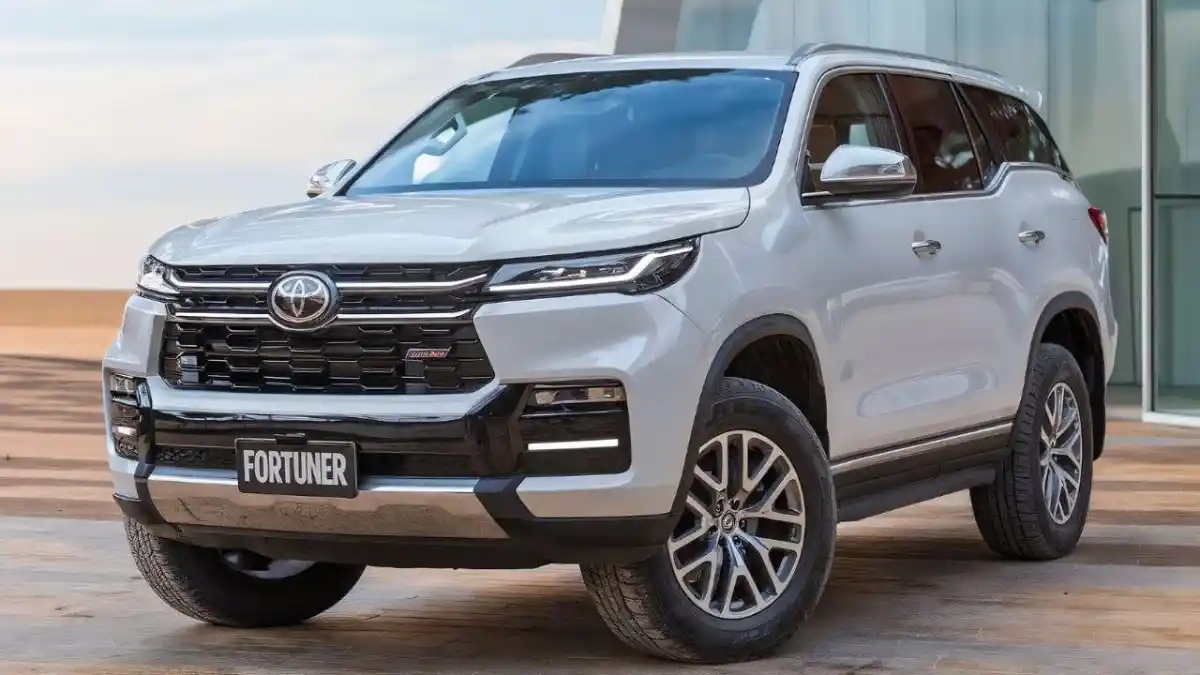
The upcoming Toyota Fortuner 2027 is expected to bring a major transformation to one of the most popular full-size SUVs in markets like India. Industry reports suggest that the next-generation model could make its global debut around late 2026 or early 2027, introducing significant updates in design, platform, technology, and performance.
For many years, the Fortuner has built a strong reputation for its commanding road presence, durability, and impressive off-road capability. Early prototype sightings indicate that Toyota is preparing a comprehensive redesign to keep the SUV competitive in the premium SUV segment.
Legacy and Popularity
Since its first global appearance in the mid-2000s and its launch in India in 2009, the Fortuner has established a loyal customer base. The SUV has remained a preferred choice for buyers looking for a rugged yet premium vehicle capable of handling both city roads and challenging terrains.
With the next-generation version, Toyota aims to enhance the SUV’s appeal by adding modern technology, improved comfort, and a stronger design while retaining its well-known toughness.
New Platform for Better Performance
One of the biggest upgrades expected in the 2027 Fortuner is the adoption of the TNGA‑F platform, which already supports the latest Toyota Hilux pickup truck.
This new ladder-frame architecture is designed to deliver improved strength and better driving dynamics.
Feature
Benefit
TNGA-F Platform
Higher structural strength
Updated Chassis
Improved ride comfort
Strong Ladder Frame
Greater durability
Advanced Suspension
Better off-road performance
The TNGA-F platform is known for offering a balance between toughness and refined driving characteristics. As a result, the new Fortuner could provide a smoother highway ride while maintaining the strong off-road performance it is known for.
Bold and Modern Exterior Design
The next Fortuner is also expected to feature a completely refreshed exterior inspired by the styling of the latest Hilux.
Spy-based digital renderings suggest a bold front design with a larger grille that may include chrome detailing. Prominent Toyota branding above the grille could further strengthen the SUV’s road presence.
Other expected design highlights include:
Slim LED headlamps with sharp daytime running lights
A rugged bumper with a large skid plate
Circular fog lamps placed in triangular housings
Larger alloy wheels and muscular wheel arches
Thick body cladding for added protection
At the rear, the SUV may feature connected LED tail lamps forming a full-width light bar across the tailgate. Large FORTUNER lettering in the center could further enhance its premium look.
Additional styling elements may include:
Sculpted rear bumper
Roof-mounted spoiler
Dual exhaust outlets
Modern LED lighting elements
These updates could give the new Fortuner a more aggressive, modern, and premium appearance.
Modern and Tech-Focused Interior
Inside the cabin, the next Fortuner is expected to offer a significantly upgraded interior with a strong focus on technology and comfort.
Reports suggest the dashboard may feature two large 12.3-inch digital displays. One screen will serve as the infotainment system, while the second will function as a fully digital instrument cluster.
This layout will likely create a cleaner and more futuristic cockpit compared to the current model.
Toyota may also introduce:
Higher-quality materials
Better cabin insulation
Redesigned dashboard layout
More comfortable seating
These improvements could make the SUV more suitable for long journeys while enhancing the overall premium feel.
Expected Advanced Features
The next-generation Fortuner could introduce several modern features that were not available in previous models.
Feature
Purpose
Level 2 ADAS
Advanced driver assistance and safety
360-degree camera
Easier parking and better visibility
Connected car technology
Remote vehicle monitoring
OTA updates
Wireless software upgrades
Panoramic sunroof
Enhanced cabin experience
Automatic climate control
Improved comfort
The addition of Level 2 ADAS could be a major upgrade. These driver-assistance systems may include features such as adaptive cruise control, lane-keeping assist, and automatic emergency braking.
Connected car technology and over-the-air software updates will also allow the SUV to receive digital improvements without visiting a service center.
Expected Launch in India
The Toyota Fortuner has dominated the full-size SUV segment in India for many years. Its strong resale value, reliability, and rugged performance have helped it remain a favorite among buyers.
Given its popularity, the next-generation Fortuner is likely to arrive in India soon after its global debut.
The new model could attract customers looking for:
Modern technology
Improved comfort
Advanced safety systems
Strong off-road performance
Final Thoughts
The 2027 Toyota Fortuner is shaping up to be one of the biggest upgrades in the SUV’s history. With a new TNGA-F platform, bold styling updates, advanced interior technology, and modern safety features, the upcoming model could set new standards in the full-size SUV segment.
If Toyota successfully combines its traditional rugged capability with modern luxury and technology, the next Fortuner will likely continue its legacy as one of the most desirable SUVs in markets like India and beyond.
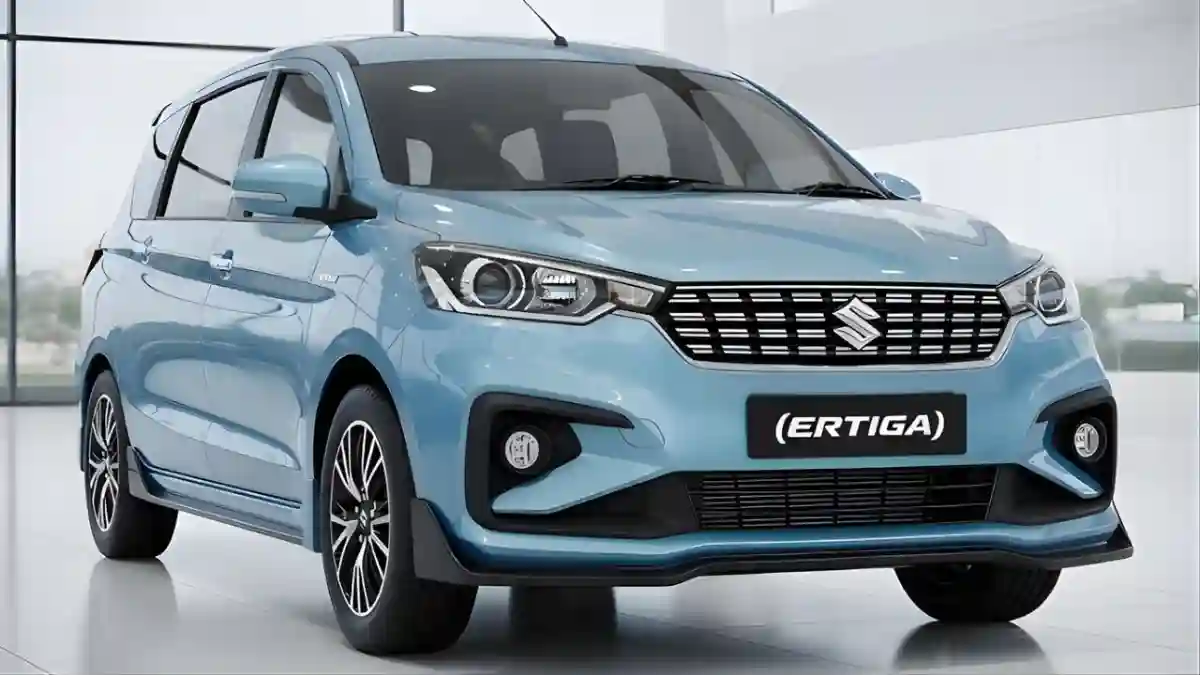
If you are looking for a practical and budget-friendly 7-seater car in India, the Maruti Suzuki Ertiga continues to be one of the most popular choices. Known for its spacious interior, dependable performance, and strong fuel efficiency, the MPV has become a favorite among Indian families. It is also widely used in the taxi and commercial segment because of its low running costs and reliability.
For buyers who do not want to pay the full price at once, the Ertiga can be purchased through easy car finance options. With a down payment of about ₹2 lakh, buyers can take home popular variants such as the ZXi manual or ZXi+ automatic and repay the remaining amount through monthly EMIs.
Below is a closer look at the engine details, mileage, pricing, and estimated EMI plans.
Engine and Performance
The Maruti Suzuki Ertiga is powered by a 1.5-litre petrol engine that focuses on delivering a balance between performance and efficiency. It is suitable for daily city drives as well as long highway journeys with family.
Engine Specifications
Specification
Details
Engine
1462cc Petrol
Power
101.64 bhp
Torque
139 Nm
Transmission
Manual & Automatic
Seating Capacity
7 Seats
This engine is known for its refined performance and low maintenance costs, which is one reason the Ertiga remains a strong contender in the MPV segment.
Mileage
Fuel efficiency is one of the key strengths of the Maruti Suzuki Ertiga. Even though it is a three-row MPV, it delivers impressive mileage.
According to the company, the petrol version offers around 20.51 kmpl, making it among the most fuel-efficient 7-seater vehicles in India. This helps reduce running expenses for families and commercial users.
Variants and Price Range
The Ertiga is offered in multiple variants across four trims, giving buyers flexibility based on budget and required features.
Variant Range
Ex-Showroom Price
Entry-Level Variant
₹8.80 lakh
Top Variant
₹12.94 lakh
The MPV also includes several useful features such as:
Automatic climate control
Touchscreen infotainment system
Premium audio setup
Multiple airbags for safety
Spacious cabin with flexible seating layout
These features help make the Ertiga comfortable for both family trips and daily commuting.
Finance Plan for ZXi Manual Variant
The ZXi manual is one of the most commonly chosen variants in the lineup because it offers a good balance of features and affordability.
Detail
Amount
Ex-Showroom Price
₹11.59 lakh
On-Road Price (Approx.)
₹13.77 lakh
Down Payment
₹2 lakh
Loan Amount
₹11.77 lakh
If the remaining amount is financed at 10% interest for 5 years, the estimated EMI would be:
Finance Detail
Value
Loan Tenure
5 Years
Interest Rate
10%
Monthly EMI
~₹25,008
Total Interest Paid
~₹3.23 lakh
This plan allows buyers to own a premium 7-seater MPV with manageable monthly payments.
Finance Plan for ZXi+ Automatic Variant
Drivers who frequently travel in heavy city traffic may prefer the ZXi+ automatic variant, which offers more convenience thanks to automatic transmission.
Detail
Amount
Ex-Showroom Price
₹12.94 lakh
On-Road Price
₹15.35 lakh
Down Payment
₹2 lakh
Loan Amount
₹13.35 lakh
Estimated loan breakdown with 10% interest for 5 years:
Finance Detail
Value
Loan Tenure
5 Years
Monthly EMI
~₹28,365
Total Interest Paid
~₹3.66 lakh
This version provides extra comfort and easier driving, especially for daily commuting in crowded urban areas.
Key Features
The Maruti Suzuki Ertiga combines comfort, safety, and practicality, making it suitable for a wide range of buyers.
Some important highlights include:
Automatic climate control
Smart touchscreen infotainment system
Premium audio system
Dual airbags and safety features
Spacious three-row seating arrangement
Final Thoughts
The Maruti Suzuki Ertiga remains one of the most practical and value-for-money MPVs available in India. With its reliable engine, good fuel economy, roomy cabin, and flexible finance options, it continues to attract families and commercial buyers alike.
Whether you opt for the ZXi manual for affordability or the ZXi+ automatic for convenience, the Ertiga offers a balanced combination of space, efficiency, and comfort.
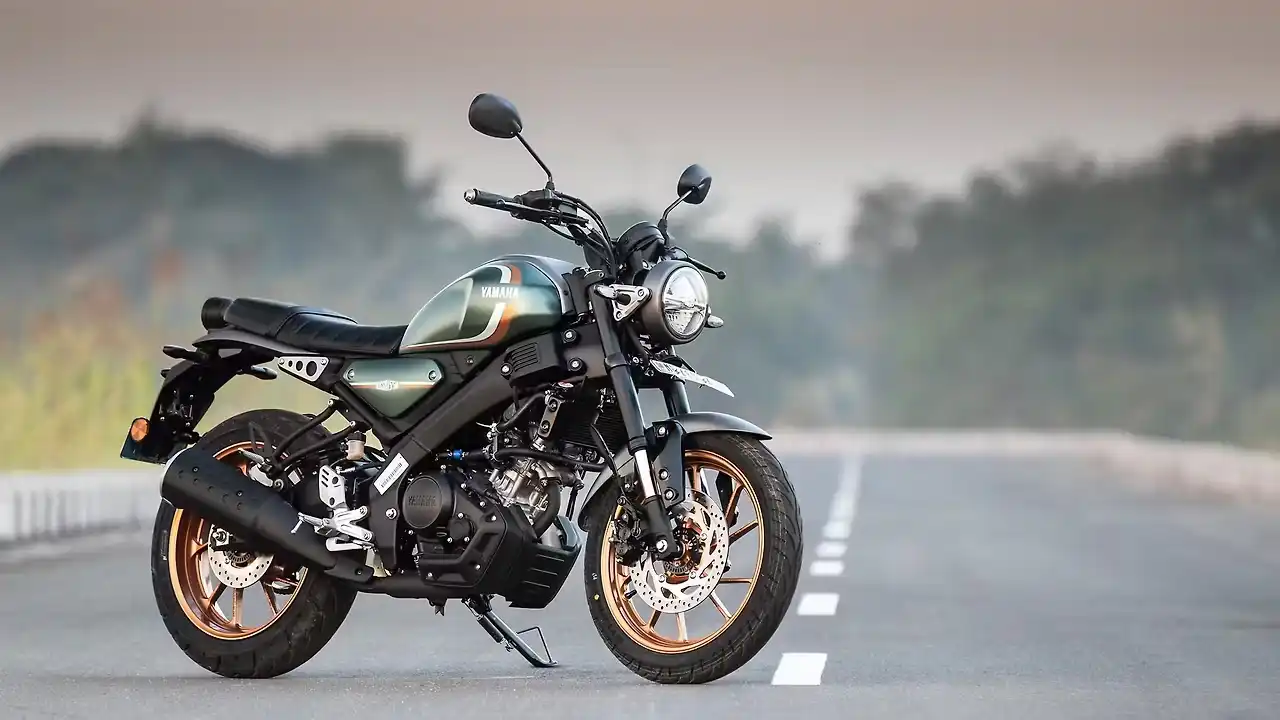
The retro-inspired Yamaha XSR155 has expanded its palette with the addition of a new Metallic Black shade. With this update, the motorcycle is now available in five distinct colour schemes, giving buyers more flexibility in choosing a style that suits their personality. Here is a detailed look at each option along with pricing (ex-showroom, Delhi).
Metallic Blue – Rs 1,49,990
Metallic Blue is currently the most affordable option in the lineup. This variant features a deep blue finish across the fuel tank, fenders, side panels and tail section. Gold-finished upside-down front forks add a premium contrast, while subtle gold pinstriping and XSR155 branding on the tank enhance its classic appeal.
Yamaha XSR155 Metallic Blue
Vivid Red – Rs 1,52,990
For riders seeking a sportier vibe, Vivid Red delivers a bold presence. The red paint covers most of the bodywork, including the tank and panels. The tank graphic is accented by a contrasting black stripe, giving the motorcycle a youthful and energetic character.
Yamaha XSR155 Vivid Red
Metallic Grey – Rs 1,56,990
Metallic Grey caters to those who prefer a more understated and elegant look. The grey fuel tank is complemented by black Yamaha lettering, maintaining a clean and minimal aesthetic. This shade focuses on simplicity rather than flashy detailing.
Yamaha XSR155 – Metallic Grey
Greyish Metallic Green – Rs 1,58,990
This colour scheme leans heavily into the bike’s retro identity. The green bodywork is paired with grey and bronze accents, creating a rugged yet vintage-inspired appearance. The Yamaha branding on the tank and the stylised XSR graphic on the side panels add to its distinctive charm.
Yamaha XSR155 – Greyish Green Metallic
Metallic Black – Rs 1,58,990
The latest addition to the range, Metallic Black, offers a fully blacked-out finish across the tank, fenders and side panels. Grey Yamaha lettering on the tank and subtle XSR155 branding keep the look refined. Like some other variants, it retains the gold-finished inverted forks, which provide a striking visual contrast and elevate its premium feel.
Yamaha XSR155 – Metallic Black
Engine and Performance
Mechanically, the XSR155 remains unchanged. It continues to be powered by a 155cc, liquid-cooled, single-cylinder engine equipped with Variable Valve Actuation (VVA). The motor produces 18.1 bhp of power and 14.2 Nm of torque, paired with a smooth gearbox setup that balances everyday usability with spirited riding performance.
With five colour choices now on offer, the Yamaha XSR155 strengthens its position in the entry-level retro roadster segment by combining classic styling with modern engineering.
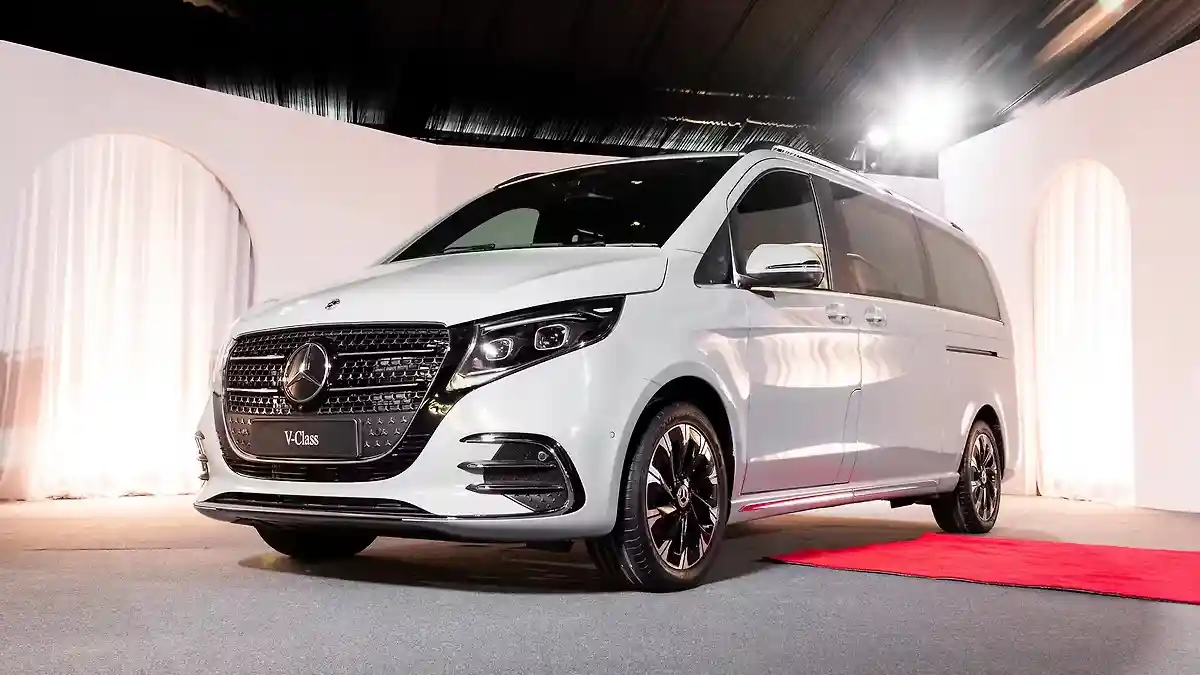
The introduction of the Mercedes-Benz V-Class signals an important evolution in India’s premium automobile market. Traditionally dominated by large SUVs and high-end sedans, the segment is now witnessing the steady rise of luxury MPVs designed primarily around comfort and space rather than aggressive styling or off-road capability.
Priced at Rs 1.4 crore (ex-showroom), the V-Class enters a territory typically occupied by flagship luxury SUVs. However, instead of competing directly on road presence or performance, it offers a fundamentally different ownership experience.
A Shift Toward Chauffeur-Driven Comfort
In recent years, affluent families, business leaders and celebrities have increasingly preferred chauffeur-driven vehicles that focus on rear-seat indulgence. Instead of commanding driving dynamics or elevated ground clearance, buyers in this category are placing greater importance on lounge-style seating, privacy features and expansive cabin room.
The V-Class has been developed precisely with this audience in mind. Its layout is centred around second-row passengers, offering generous legroom, comfortable seating configurations and a sense of exclusivity that feels closer to a private lounge than a conventional SUV cabin.
Positioned Against Flagship SUVs
At its price point, the V-Class competes with established luxury SUVs such as the BMW X7, Audi Q7 and Mercedes-Benz GLS. These SUVs bring strong road presence, higher ground clearance and, in some cases, all-wheel-drive capabilities suited for varied terrains.
In contrast, the V-Class distinguishes itself through unmatched interior space, easier entry and exit due to its sliding doors, and a cabin architecture that clearly prioritises passenger comfort over rugged versatility.
Redefining Luxury Priorities
The bigger question is whether Indian luxury buyers are willing to look beyond the conventional SUV image and embrace the MPV format as a status symbol in its own right. While premium MPVs still represent a niche category, their visibility in metropolitan cities is gradually increasing.
The launch of the Mercedes-Benz V-Class does not necessarily signal the decline of flagship SUVs. Instead, it broadens the choices available to high-end buyers. For those who value space, discretion and rear-seat luxury above all else, the V-Class strengthens the argument that MPVs can stand shoulder-to-shoulder with traditional luxury flagships in India’s evolving premium car landscape.