Blog

  • China Surpasses Japan as Australia’s Top Vehicle Importer for the First Time Since 1998

    China Surpasses Japan as Australia’s Top Vehicle Importer for the First Time Since 1998

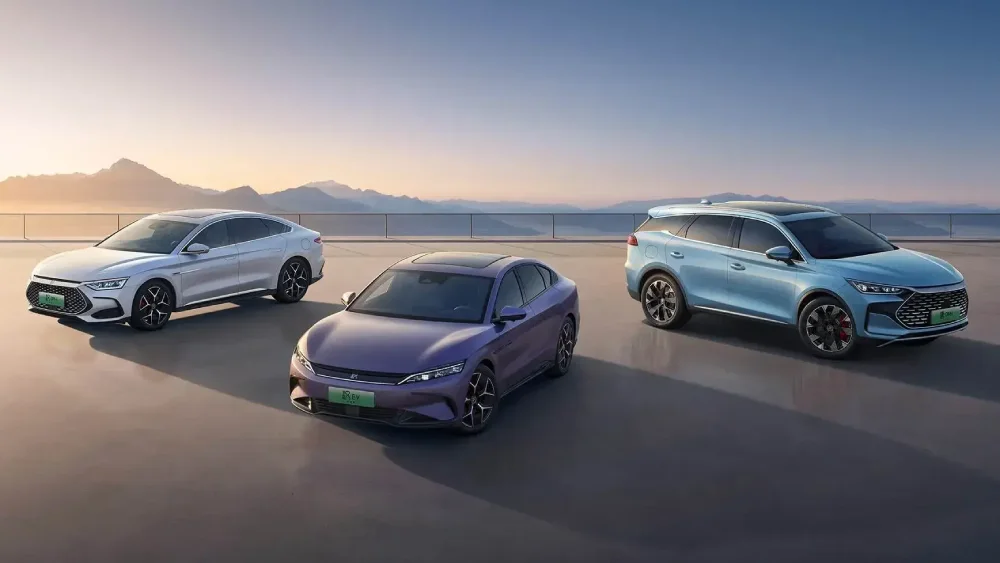
    SYDNEY – In a landmark development for the Australian automotive industry, China has officially overtaken Japan as the nation’s primary source of imported vehicles. This shift, recorded in February, marks the end of a multi-decade era of Japanese dominance and underscores a rapid transformation in consumer behavior across the continent.

    A Changing of the Guard

    Data released by the Federal Chamber of Automotive Industries (FCAI) reveals that February saw 22,300 Chinese-made vehicles arrive on Australian shores, securing a roughly 25% share of the total import market. For the first time since 1998, Japan fell to the second position with 21,600 units, followed closely by Thailand at 19,400 units.

    This transition highlights a pivotal moment in the Australian market, which has long relied on Japanese engineering for its reliability and familiarity. However, the rise of affordable technology and the global push toward electrification have cleared a path for Chinese manufacturers to take the lead.

    The Electric Catalyst

    The surge in Chinese imports is inextricably linked to Australia’s burgeoning appetite for Electric Vehicles (EVs) and Plug-in Hybrid Electric Vehicles (PHEVs). Leading the charge is BYD, which has seen its sales skyrocket by 160% in the first two months of this year alone, reaching 10,200 units.

    Other major players contributing to this momentum include:

    • Great Wall Motor (GWM): Dominating the SUV and pickup (ute) segments with a 23.4% sales increase in early 2025.
    • MG and Chery: Establishing themselves as household names through aggressive pricing and feature-rich models.

    Last year, EV sales in Australia topped 103,000 units, a sector where Chinese-manufactured cars currently hold a commanding presence.

    “Australian consumers are prioritizing competitive pricing and advanced tech features. The absence of a domestic manufacturing base makes the market highly susceptible to global trends, and right now, China is setting the pace.” — Industry Analyst

    Strategic Market Entry

    Since the departure of local automotive manufacturing, Australia has become a critical battleground for global brands. With no domestic tariffs and a high demand for versatile vehicles like SUVs, the environment is ripe for expansion.

    Since 2020, nine new Chinese brands have launched in Australia, bringing the total number of Chinese automakers in the country to over a dozen. This influx has provided consumers with a wider variety of “cost-effective alternatives” that were previously unavailable.

    Looking Ahead: 2030 Projections

    The momentum shows no signs of slowing down. Industry analysts suggest that if current pricing strategies and technological advancements continue, Chinese automakers could control more than 40% of the Australian new vehicle market by 2030.

    As infrastructure for electric vehicles continues to improve across the country, the gap between the traditional leaders and the new Chinese powerhouse is expected to widen even further.
    Source

  • BYD Overseas Sales Jump 65% in March 2026 as Global Demand Offsets Domestic Slowdown

    BYD Overseas Sales Jump 65% in March 2026 as Global Demand Offsets Domestic Slowdown

    BYD delivered a mixed performance in March 2026, with strong overseas growth helping offset continued weakness in its domestic market. While total new energy vehicle (NEV) sales declined compared to last year, a sharp increase in exports highlights the company’s growing global footprint amid rising fuel prices.

    In March, BYD sold 300,222 NEVs worldwide, reflecting a decline of over 20 percent year-on-year. This marks the seventh consecutive month of annual decline for the company. However, on a monthly basis, sales rebounded strongly by nearly 58 percent compared to February, which had been impacted by seasonal slowdowns such as the Lunar New Year.

    Passenger vehicles dominated the sales mix, contributing close to 296,000 units. The split between battery electric vehicles and plug-in hybrids remained nearly equal, showing sustained interest in both segments. BYD’s hybrid models, powered by its dual-mode technology, continue to attract buyers seeking flexibility and efficiency.

    Key Sales Highlights:

    • Total NEV sales: 300,222 units
    • Year-on-year decline: Over 20 percent
    • Month-on-month growth: Around 58 percent
    • Passenger vehicles: 295,693 units
    • BEVs: 147,601 units
    • PHEVs: 148,092 units

    The biggest highlight came from overseas markets, where BYD recorded 120,083 units in sales. This represents a 65 percent increase compared to the previous year and reflects growing acceptance of EVs globally.

    The surge in exports coincided with rising fuel prices across several regions, driven by global supply disruptions. Markets such as Australia, Japan, South Korea, and New Zealand witnessed increased demand for electric and hybrid vehicles, as consumers looked for cost-effective alternatives to petrol-powered cars.

    Overseas Growth Highlights:

    • Overseas sales: 120,083 units
    • Year-on-year growth: 65 percent
    • Strong demand in Asia-Pacific markets
    • Increased customer interest due to high fuel prices

    Despite strong international performance, BYD continues to face challenges in China. The domestic EV market is currently experiencing intense competition and aggressive pricing strategies, which are impacting both market share and profitability.

    Rival companies such as Xiaomi, Nio, and Geely have strengthened their presence with competitive offerings. As a result, BYD’s share in China’s EV market has declined significantly over the past year.

    Financially, the pressure is also visible. The company reported slower revenue growth in 2025, along with a decline in net profit. Margins have tightened due to price competition and reduced government incentives, adding further strain on its domestic operations.

    In the first quarter of 2026, BYD delivered more than 700,000 NEVs globally, a notable drop compared to last year. However, overseas sales crossed 320,000 units during the same period, underlining the importance of international markets in sustaining overall volumes.

    Looking ahead, BYD is focusing heavily on global expansion. The company has increased its overseas sales target for 2026 to 1.5 million units and is investing more in research and development to strengthen its product lineup.

    While challenges remain in the domestic market, BYD’s strong overseas growth indicates a shift in strategy. With rising fuel costs and increasing demand for clean mobility, the company’s global push could play a crucial role in shaping its future growth trajectory.

  • BYD Launches 2026 Seal 06 GT and DM-i Touring Wagon with Flash Charging, Prices Start at $16,200

    BYD Launches 2026 Seal 06 GT and DM-i Touring Wagon with Flash Charging, Prices Start at $16,200

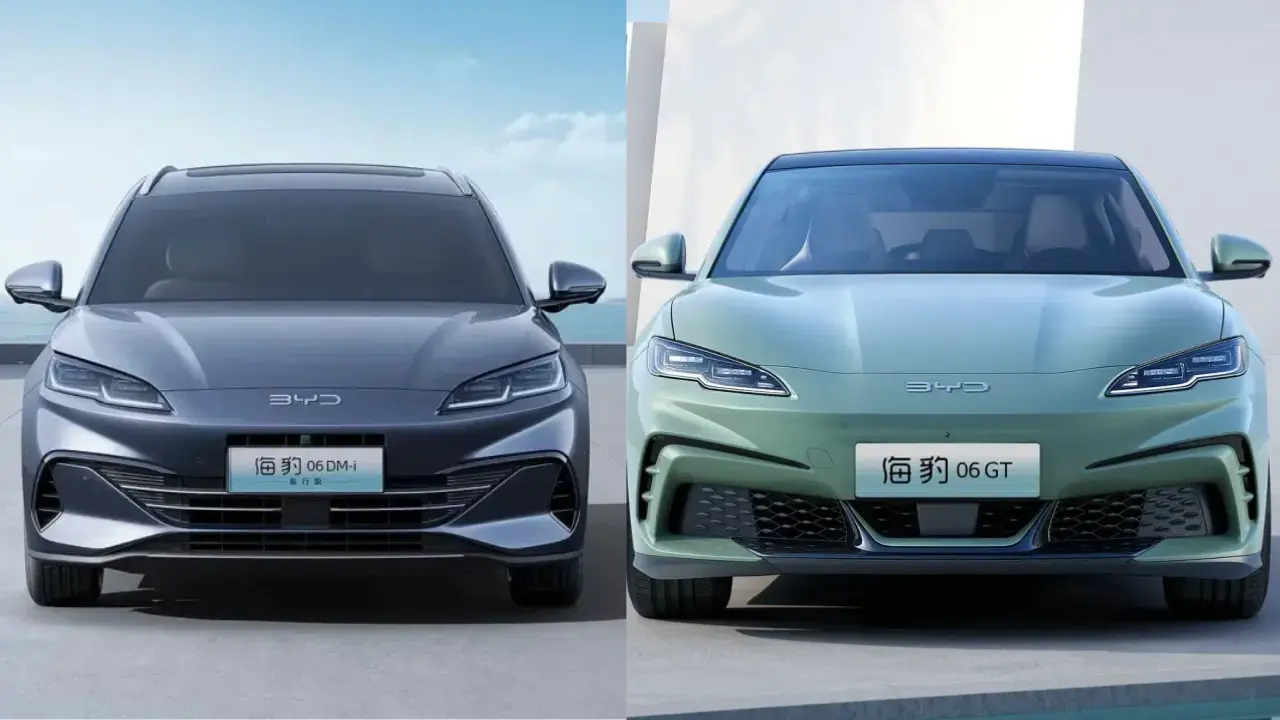
    BYD has officially expanded its new energy portfolio with the launch of the 2026 Seal 06 GT and the Seal 06 DM-i Touring. These two models target different segments of buyers, with the Seal 06 GT focusing on pure electric performance, while the DM-i Touring offers a practical plug-in hybrid solution. With competitive pricing, improved driving range, and advanced technology, BYD is continuing its rapid growth in the EV and hybrid vehicle market.

    The Seal 06 GT is positioned as a sporty all-electric sedan and is available in four variants. Its pricing starts from 128,900 yuan and goes up to 169,900 yuan, making it a strong competitor in the mid-range EV category. Meanwhile, the Seal 06 DM-i Touring wagon starts at 111,900 yuan and offers a more affordable entry point for buyers looking for a hybrid vehicle with extended practicality.

    Key Highlights of 2026 Seal 06 GT (Electric Model):

    • Available in four variants: 520, 520 Plus, 620 Plus, and 620 Max
    • Price range: 128,900 – 169,900 yuan (approx. $18,700 – $24,600)
    • Equipped with second-generation Blade Battery
    • Supports flash charging technology for faster charging
    • Offers up to 620 km CLTC driving range
    • Features advanced “God’s Eye” intelligent driving system (in higher trims)
    BYD Seal 06 GT
    BYD Seal 06 GT

    The exterior design of the Seal 06 GT remains largely unchanged but still looks modern and aggressive. Inspired by BYD’s Ocean design language, it features sleek headlights, a sculpted hood, and a sporty front bumper. New color options such as Aurora Purple and Portia Rose Red add a fresh appeal for younger buyers.

    Inside the cabin, the car offers a premium and tech-focused experience. It includes a large 15.6-inch touchscreen infotainment system, a 10.25-inch digital instrument cluster, and a redesigned center console. The addition of a column-mounted gear selector improves space utilization and enhances driving comfort.

    In terms of performance, the Seal 06 GT delivers strong numbers. The base variants come with a 200 kW electric motor and a 57.54 kWh battery pack, offering a range of 520 km. The higher variants feature a larger 69.07 kWh battery, extending the range to 620 km, making it suitable for long-distance travel.

    Key Highlights of Seal 06 DM-i Touring (Hybrid Wagon):

    • Available in four variants: 200 Comfort, 200 Smart, 200 Premium, 300 Flagship
    • Price range: 111,900 – 139,900 yuan (approx. $16,200 – $20,300)
    • Equipped with 5th-generation DM hybrid technology
    • Combines 1.5L petrol engine with electric motor
    • Offers up to 300 km pure electric range
    • Wagon body style for improved cargo space and practicality
    BYD Seal 06 DM-i Touring
    BYD Seal 06 DM-i Touring

    The Seal 06 DM-i Touring stands out with its wagon design, which provides better luggage capacity and rear-seat headroom compared to a traditional sedan. Its aerodynamic shape, along with a gently sloping roofline, not only enhances efficiency but also gives it a distinctive look.

    The interior is feature-rich and varies depending on the variant. Lower trims come with a 12.8-inch display, while higher variants offer a larger 15.6-inch screen. Additional features include wireless charging, ventilated and heated seats, panoramic sunroof, and an electric tailgate. The inclusion of BYD’s DiLink 150 system ensures a connected and intelligent driving experience.

    Performance-wise, the DM-i Touring uses a hybrid setup that balances power and efficiency. The electric motor produces 175 kW and 270 Nm torque, while the petrol engine adds additional support. Buyers can choose between battery packs that deliver 200 km or 300 km of pure electric driving range.

    Charging Network Expansion:

    • Over 42,000 applications received for charging network initiative
    • More than 180 flash charging stations already operational
    • First batch of 1,000 high-speed charging stations targeted by May

    Alongside the vehicle launch, BYD also shared updates on its infrastructure plans. The company is rapidly expanding its fast-charging network, aiming to make EV ownership more convenient and practical for users.

    With the launch of the 2026 Seal 06 GT and Seal 06 DM-i Touring, BYD continues to strengthen its leadership in the new energy vehicle space. By offering both electric and hybrid options with advanced features, strong range figures, and attractive pricing, the company is well-positioned to capture a wider audience in the global automotive market.

    Source

  • VinFast VF MPV 7 India Launch This Month, 500KM Range Electric MPV Pre-Bookings Open

    VinFast VF MPV 7 India Launch This Month, 500KM Range Electric MPV Pre-Bookings Open

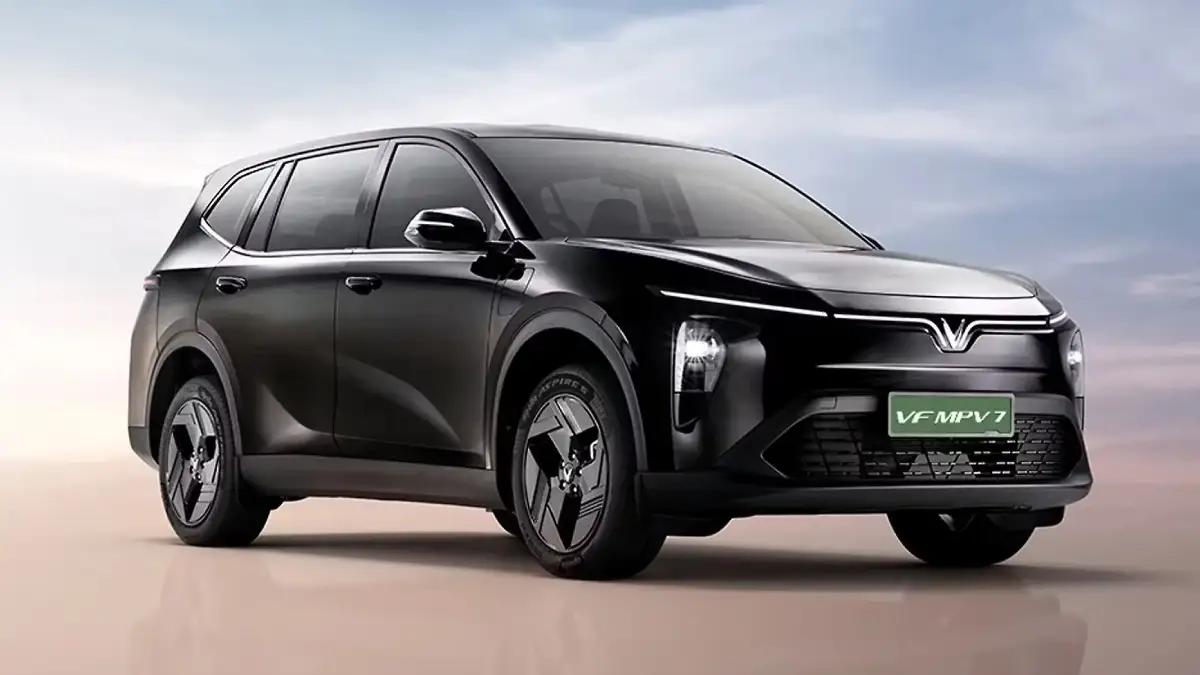
    The Indian electric vehicle market is expanding rapidly, and Vietnamese automaker VinFast is gearing up to strengthen its presence with the upcoming VF MPV 7. The company has officially opened pre-bookings for this all-electric MPV, creating strong buzz among buyers looking for a spacious and long-range family EV.

    VinFast has started accepting bookings for the VF MPV 7 with a token amount of Rs 21,000, while the official price announcement is scheduled for April 15. The company has also confirmed that deliveries will begin soon after the launch, ensuring minimal waiting time for customers.

    The VF MPV 7 will be offered exclusively in a seven-seat configuration with a 2+3+2 layout. VinFast has ruled out introducing a six-seat version for now. Alongside this model, the brand will also introduce a commercial variant named Limo Green, aimed at fleet and business users.

    In terms of dimensions and road presence, the VF MPV 7 stands out as a large and practical MPV. It measures 4,740mm in length, 1,872mm in width, and 1,734mm in height, with a wheelbase of 2,840mm. These proportions translate into a spacious cabin with ample legroom for all three rows.

    Feature-wise, the electric MPV comes equipped with a 10.1-inch touchscreen infotainment system, leatherette upholstery, AC vents for all three rows, and 19-inch alloy wheels. It also gets all-LED lighting and second-row split seats with a tumble function, making access to the third row more convenient.

    On the safety front, the VF MPV 7 offers four airbags, electronic stability control, traction control, hill start assist, rear parking sensors, and a reverse camera. However, it misses out on some premium features such as a panoramic sunroof, 360-degree camera, and advanced driver assistance systems (ADAS), which are becoming common in this segment.

    Powering the VF MPV 7 is a 60.1kWh battery pack paired with a single electric motor driving the front wheels. The motor produces 201bhp and 280Nm of torque, enabling the MPV to accelerate from 0 to 100 km/h in under 10 seconds. VinFast claims a driving range of over 500km on a single charge, making it suitable for both city and long-distance travel.

    Charging capabilities are also practical, with support for DC fast charging that can charge the battery from 10% to 70% in around 30 minutes. The MPV offers three driving modes—Eco, Normal, and Sport—along with multiple regenerative braking levels for improved efficiency.

    In the Indian market, the VF MPV 7 will compete with popular MPVs like the Toyota Innova Crysta, although the latter is available with petrol and hybrid powertrains. With limited electric MPV options currently available, VinFast’s offering could carve out a unique position in the segment.

    Overall, the VinFast VF MPV 7 appears to be a promising electric MPV that combines practicality, decent range, and modern features. Its success in India will largely depend on competitive pricing, which will be revealed later this month.

  • Tata Sierra EV Launch Date Revealed, Set for May with 600KM Range and Premium Features

    Tata Sierra EV Launch Date Revealed, Set for May with 600KM Range and Premium Features

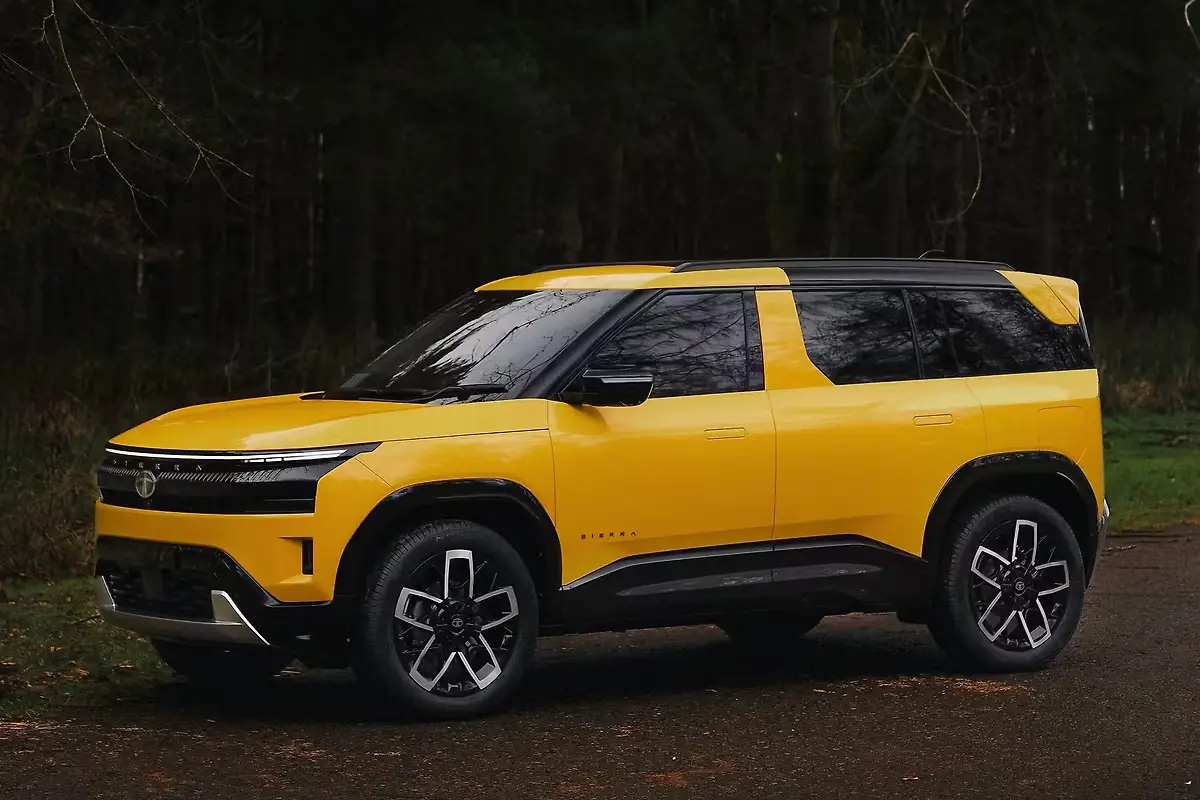
    Tata Motors is preparing to expand its electric vehicle lineup with the much-anticipated Tata Sierra EV. The upcoming electric SUV has been making headlines for quite some time, and now reports suggest that it could finally debut on May 19, 2026. Positioned as a premium yet practical offering, the Sierra EV is expected to target buyers looking for a stylish, feature-rich, and long-range electric SUV in the mid-size segment.

    Competition in the Growing EV Segment

    The Tata Sierra EV will enter a competitive market where several strong players are already present. It is expected to rival models like Hyundai Creta Electric, Maruti e Vitara, Mahindra BE 6, and MG ZS EV. Tata Motors is likely to position the Sierra EV between the Curvv EV and Harrier EV, creating a balanced offering that combines premium features with competitive pricing. This strategic placement could help the company attract both urban and family buyers.

    Bold and Futuristic Design

    In terms of design, the Sierra EV is expected to carry a modern and futuristic look. It will likely be built on Tata’s Acti.ev+ platform, which is specifically designed for electric vehicles. The SUV may feature a closed-off front grille, sleek LED daytime running lights, split headlamp setup, and flush door handles. The rear design is expected to include connected LED tail lamps, giving it a contemporary appeal. Overall, the design will aim to blend nostalgia with modern styling, as the Sierra nameplate has a legacy in India.

    Feature-Rich Premium Cabin

    Inside the cabin, the Tata Sierra EV is expected to offer a highly premium and tech-loaded experience. Reports suggest a triple-screen dashboard setup, which will enhance the futuristic feel of the interior. Other expected features include a panoramic sunroof, wireless Apple CarPlay and Android Auto, ambient lighting, ventilated seats, and dual-zone climate control. The SUV may also come equipped with a 12-speaker JBL audio system with Dolby Atmos support, delivering an immersive sound experience. Convenience features such as a powered tailgate, wireless charging, and connected car technology are also likely to be included.

    Battery, Range and Efficiency

    One of the key highlights of the Sierra EV will be its battery and range. The SUV is expected to offer battery pack options between 55kWh and 70kWh. On a full charge, it could deliver a driving range of up to 600 kilometers, making it suitable for both daily commuting and long-distance travel. Additionally, features like V2L (Vehicle to Load) and V2V (Vehicle to Vehicle) could further enhance its usability, allowing users to power external devices or share charge with other EVs.

    Performance and Drive Options

    The Tata Sierra EV is likely to be offered with both single-motor and dual-motor configurations. This means buyers could choose between rear-wheel drive (RWD) and all-wheel drive (AWD) options. The AWD setup, especially, could give the SUV an edge over many competitors that lack dual-motor configurations. Tata Motors may initially offer AWD in higher variants, depending on demand and market response.

    Safety and Expected Pricing

    On the safety front, the Sierra EV is expected to come equipped with six airbags, Level 2 Advanced Driver Assistance Systems (ADAS), electronic parking brake, and a 360-degree camera. These features will ensure a safer and more convenient driving experience. In terms of pricing, the Tata Sierra EV is likely to be priced between ₹15 lakh and ₹17 lakh (ex-showroom), making it an attractive option in the premium EV segment.

    With its combination of strong range, advanced features, modern design, and competitive pricing, the Tata Sierra EV has the potential to significantly impact the electric SUV market in India. Its official launch in May is now highly anticipated, and it could further strengthen Tata Motors’ leadership in the EV space.

  • Freelander Reborn: Chery and Jaguar Land Rover Unveil New Global NEV Brand with Concept97 SUV

    Freelander Reborn: Chery and Jaguar Land Rover Unveil New Global NEV Brand with Concept97 SUV

    In a major development in the electric vehicle space, Chery and Jaguar Land Rover have jointly unveiled Freelander as a new global new energy vehicle (NEV) brand. This marks the revival of the iconic Freelander name, now transformed into an independent luxury technology-focused brand. The announcement highlights a new cooperation model that blends traditional luxury automotive expertise with modern NEV innovation.

    A New Independent Global Brand

    Freelander officially became an independent brand in June 2024 and will operate separately from Jaguar Land Rover’s existing lineup, which includes Range Rover, Defender, Discovery, and Jaguar. It will also remain distinct from Chery’s current product portfolio.

    The brand has established its global headquarters in Shanghai, supported by a strong international presence. This includes the UK-based Gaydon Design Centre, a Shanghai Design Centre, a Suzhou Research Institute, and an Intelligent Manufacturing Base in Changshu. All Freelander vehicles will be jointly designed by Jaguar Land Rover’s UK team and local Chinese designers, ensuring a blend of global design language and local innovation.

    Production Plans and Global Expansion

    Freelander secured its NEV production qualification by the end of 2025, confirming its readiness for large-scale manufacturing. The first production model is expected to roll out from the Changshu facility by the end of 2026.

    Following its debut in China later this year, the brand plans an aggressive global expansion strategy. New vehicles are expected to launch every six months, with a total of six models planned over the next five years.

    Advanced Platform and Technology Vision

    Freelander introduces a completely new platform designed to support a full range of SUV products. This flexible architecture will accommodate pure electric, plug-in hybrid, and range-extended powertrains. The brand will also debut an 800V high-voltage range-extended platform, highlighting its focus on cutting-edge EV technology.

    The first model will feature advanced innovations across multiple areas. In collaboration with Huawei, it will include the latest Qiankun intelligent driving system along with high-end driver-assistance hardware such as an 896-line dual-optical LiDAR system.

    Freelander is also introducing the world’s first i-ATS intelligent all-terrain system, combined with pre-emptive shock absorbers and three differential locks to adapt to various terrains.

    High-Performance Hardware and Battery Innovation

    The upcoming vehicles will be among the first globally to use the Qualcomm Snapdragon 8397 automotive-grade chip, offering enhanced processing power and performance.

    Battery technology is another key highlight. Developed with CATL, the new “Freevoy Range-Extended Hybrid Battery” will debut with the first model. It supports 6C supercharging with up to 360kW charging power. Designed specifically for off-road conditions, the battery features underbody protection, FD polymer coating for improved impact resistance, second-generation non-thermal propagation technology, and third-generation Cell-to-Pack (CTP) technology for improved safety and cooling.

    Concept97: Preview of the First Model

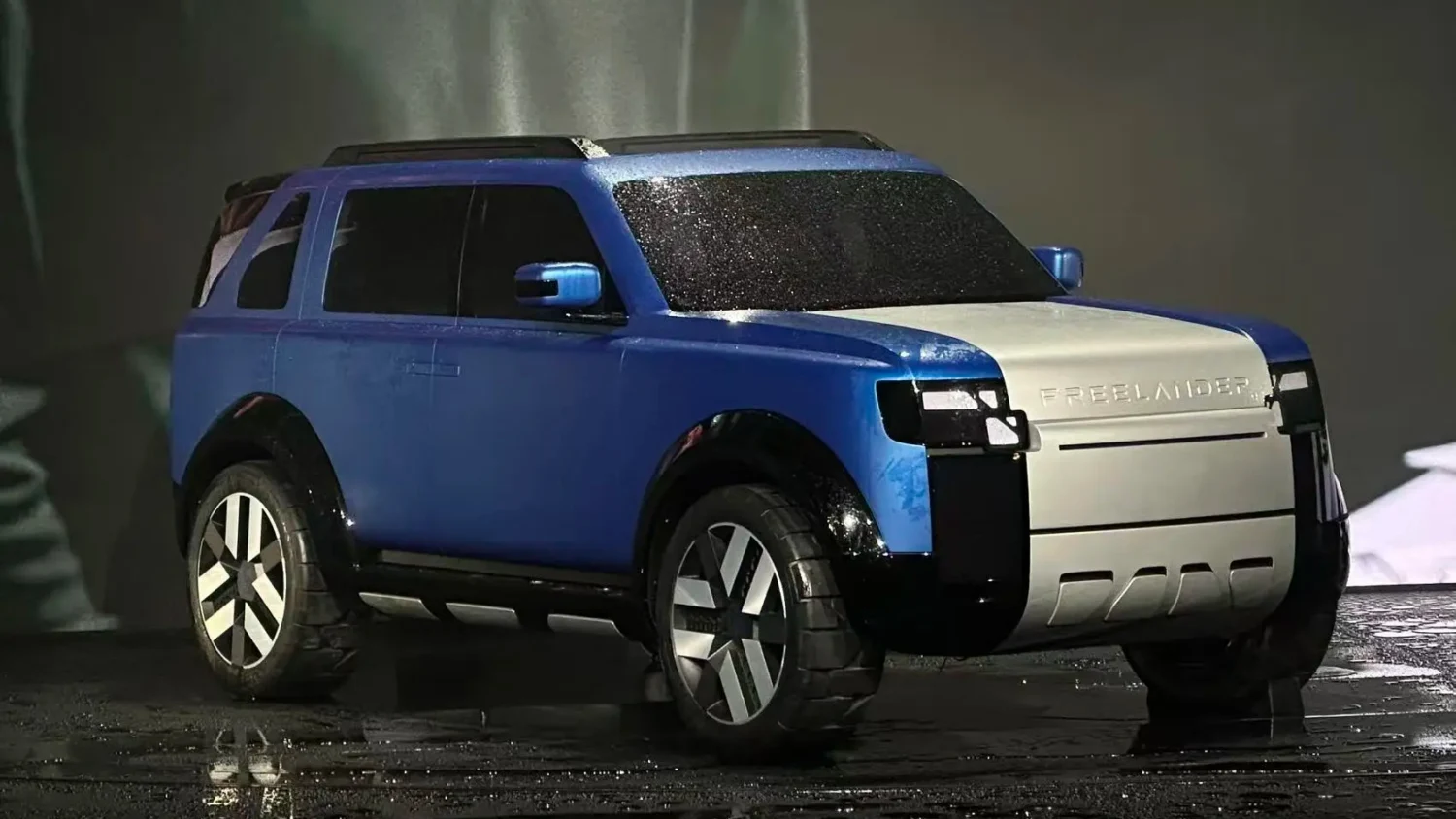
    The brand’s first concept vehicle, the Concept97, provides a glimpse into the future of Freelander. Built on Chery’s T1X platform, it is designed to support multiple SUV configurations with flexibility and scalability.

    Under the guidance of Jaguar Land Rover’s Chief Creative Officer Gerry McGovern, the Concept97 blends the original Freelander DNA with a more modern and dynamic design. It features a rugged, boxy silhouette, square headlamps, and prominent Freelander branding at the front and rear, drawing inspiration from the Defender design language.

    Positioned as a mid-to-large SUV, the Concept97 measures over 5,100mm in length with a wheelbase exceeding 3,000mm. It offers a 2+2+2 seating layout, including a second-row right seat with a zero-gravity mode for enhanced comfort.

    Interior and Features

    Inside, the Concept97 is equipped with the Qualcomm Snapdragon 8397 chip and features a dual-screen layout, including a floating central display and an additional remote screen.

    The cabin also includes a three-spoke steering wheel, an electronic column shifter, and dual wireless charging pads in the center console, reflecting a modern and tech-focused interior design.

    The Legacy of Freelander

    The Freelander name carries a strong legacy within the Land Rover family. Originally launched in 1997 as Land Rover’s first unibody SUV, it played a key role in shaping the compact luxury SUV segment. It was Europe’s best-selling SUV for five consecutive years.

    After evolving through multiple generations, including Freelander 2 and later being rebranded as Discovery Sport, the lineup was discontinued around 2014-2015.

    In June 2024, Jaguar Land Rover and Chery formalized a strategic partnership, allowing the use of the Freelander name for a new generation of electric vehicles. By December 2024, the Changshu factory had already committed a significant investment of 3 billion yuan for electrification upgrades.

    Conclusion

    The rebirth of Freelander as an independent NEV brand marks a significant shift in the global automotive landscape. With strong backing from Chery and Jaguar Land Rover, advanced technology, and a clear product roadmap, the brand is positioned to compete in the premium EV segment.

    The Concept97 serves as a promising preview of what’s to come, combining heritage, innovation, and modern design. As Freelander prepares for its first launch and global expansion, it could emerge as a key player in the evolving new energy vehicle market.

  • BYD Denza Z Supercar Naming Campaign Begins for Hardtop, Convertible and Track Versions

    BYD Denza Z Supercar Naming Campaign Begins for Hardtop, Convertible and Track Versions

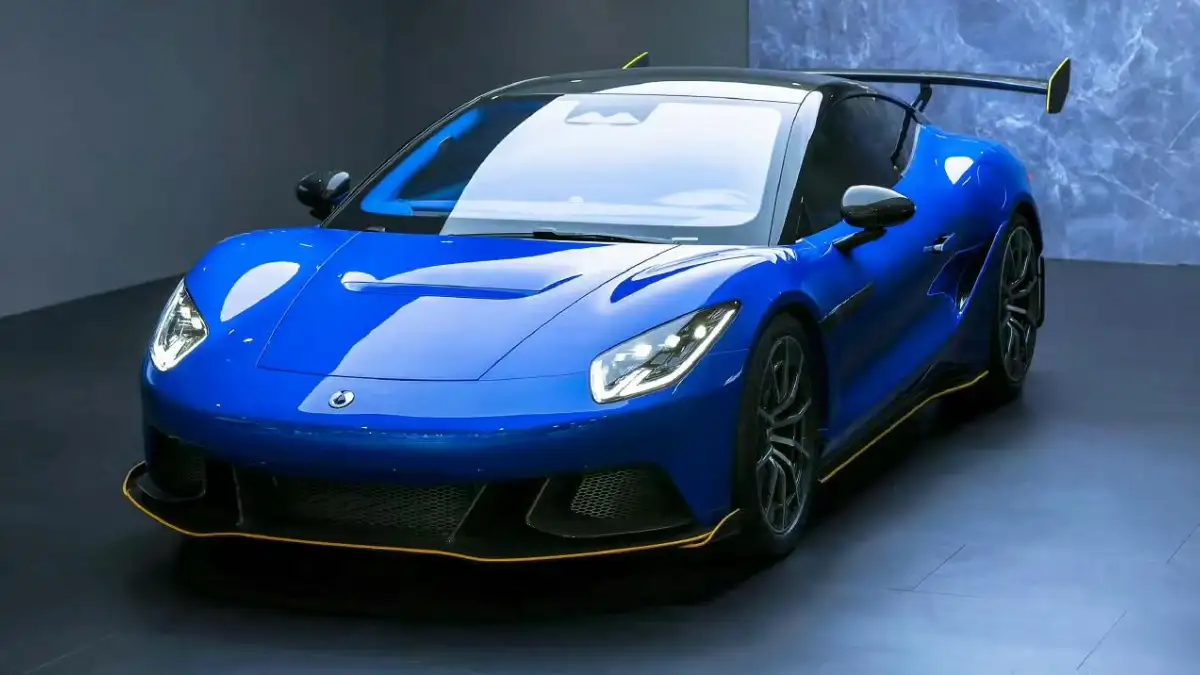
    Chinese automaker BYD is taking a unique community-driven approach for its upcoming Denza Z supercar by inviting the public to help name its three distinct variants. The Denza sub-brand, known for its premium positioning, is building excitement ahead of the model’s launch by combining innovation with audience engagement. The Denza Z lineup will include a hardtop, a convertible, and a track-focused version, each tailored for different driving experiences and lifestyles.

    Public Naming Campaign Details

    Denza has officially opened submissions for naming the Denza Z variants, encouraging enthusiasts and fans to participate. Contributors are required to create suffix names that pair with “Denza Z” to form the final model designation.

    The submission window remains open until April 10, after which the company will shortlist 30 entries. These shortlisted names will then be presented for public voting on Chinese social platform Weibo. The campaign includes multiple rewards such as one grand prize, three popularity awards, and six creative awards, making it a highly interactive initiative.

    Multiple Naming Themes Proposed

    Denza has already showcased several naming directions to guide participants. One approach uses poetic Chinese-inspired suffixes such as “Ride the Wind” for the hardtop, “Bask in the Wind” for the convertible, and “Command the Wind” for the track variant.

    Another theme takes a more global route, suggesting English words like “FUN,” “FREE,” and “FLY” for the three versions respectively. These names reflect the character of each variant and its intended usage.

    A third proposal aligns with performance-oriented naming traditions often seen in the supercar segment. Options such as “Z-ONE,” “Z-RS,” and “S-719” highlight a sportier and more technical identity. However, it is important to note that all these names are only proposals and not final designations.

    Three Variants with Distinct Identities

    Hardtop Version Focuses on Balanced Performance

    The hardtop variant of the Denza Z is designed to deliver a balanced mix of everyday usability and high-performance capability. It emphasizes driving experience and integrates track-inspired technologies while remaining relatively accessible compared to the other versions. This makes it ideal for enthusiasts who want supercar performance without sacrificing practicality.

    Convertible Version Emphasizes Lifestyle Appeal

    The convertible variant introduces a soft-top design aimed at lifestyle-oriented buyers. It focuses on open-air driving pleasure and a more relaxed driving experience. This version is expected to appeal to those who value design, comfort, and emotional connection over outright track performance.

    Track-Focused Version Targets Extreme Performance

    The track-focused version stands out as the most extreme iteration in the lineup. Built with lightweight construction and enhanced aerodynamics, it is expected to deliver superior performance. This variant will likely have a more exclusive identity, targeting serious performance enthusiasts and collectors.

    Design and Development Background

    The Denza Z was first introduced as a concept at the Shanghai Auto Show 2025, where it immediately captured attention with its bold styling. Designed by renowned automotive designer Wolfgang Egger, the car features sculpted rear fenders, a sleek coupe profile, and an aggressive stance.

    Production prototypes spotted in China reveal that the final model closely follows the concept design. Notable elements include a rounded front fascia, frameless windows, and distinctive dual-element taillights. However, the large rear spoiler seen on the concept appears to have been toned down or removed in the production-ready version.

    Advanced Technology and Performance Expectations

    The Denza Z is expected to incorporate BYD’s advanced DiSus-M suspension system, which uses sensor-based inputs to adjust body dynamics in just 10 milliseconds. This technology aims to enhance stability, handling, and overall ride quality, especially under high-performance conditions.

    In terms of performance, reports suggest that the supercar could produce over 1,000 horsepower. Testing at Germany’s Nürburgring further indicates Denza’s commitment to benchmarking the Z against global high-performance standards.

    Conclusion

    The Denza Z represents a bold step for BYD in the supercar segment, blending cutting-edge technology with community engagement through its naming campaign. With three clearly defined variants catering to different audiences, the model aims to establish a strong presence in the premium performance market. As the naming process unfolds and development progresses, the Denza Z is shaping up to be one of the most intriguing electric supercars to watch in the coming years.

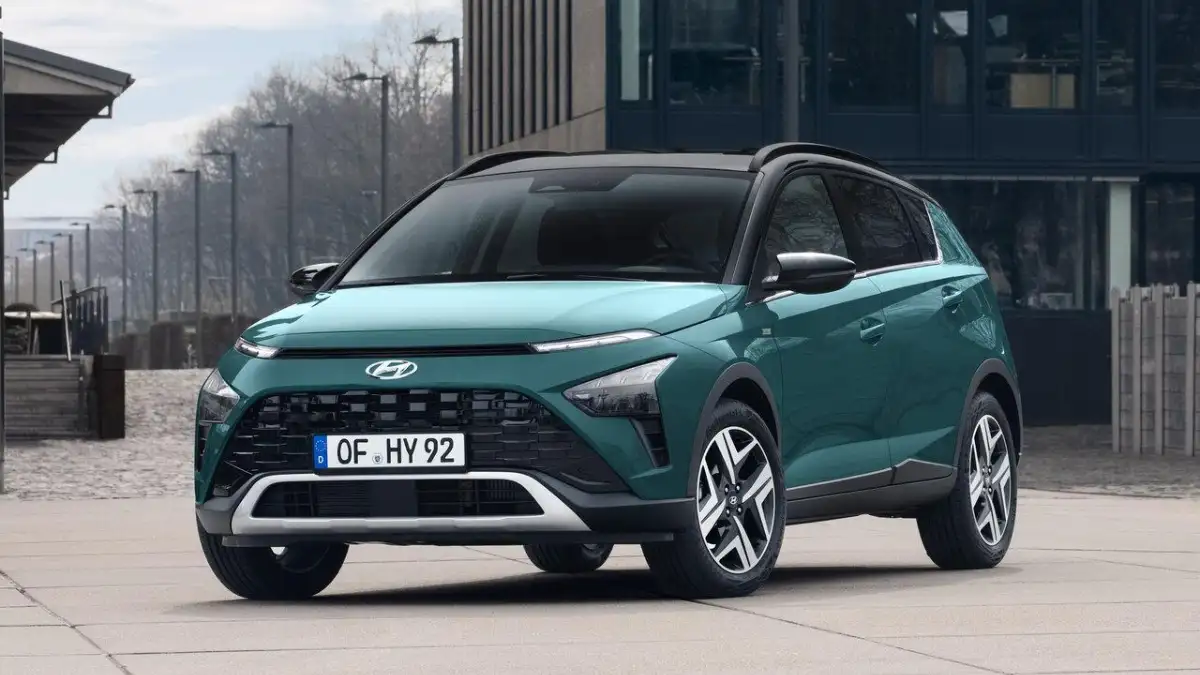
  • Upcoming Hyundai Compact SUV India – New Bayon Features, Engine, Launch Timeline Revealed

    Upcoming Hyundai Compact SUV India – New Bayon Features, Engine, Launch Timeline Revealed

    The compact SUV segment in India continues to expand rapidly, driven by evolving customer preferences, improved affordability, and tax benefits introduced in recent years. Carmakers are aggressively strengthening their portfolios in this space, and Hyundai Motor Company is preparing to take things a step further. The brand is working on a brand-new compact SUV that will sit above the popular Hyundai Venue, targeting younger buyers who seek a more premium, sporty, and tech-loaded offering.

    New Model Likely Based on Hyundai Bayon

    Hyundai’s upcoming compact SUV for India is expected to be the second-generation version of the Hyundai Bayon. The first-generation Bayon was introduced globally in 2021, primarily catering to European markets, but it never made its way to India.

    Now, Hyundai appears ready to bring the updated version of this model to Indian shores. Internally codenamed ‘BC4i CUV,’ the new SUV is expected to serve as a more stylish and advanced alternative to the next-generation Venue. Its design is likely to reflect Hyundai’s latest global styling language, featuring sharper lines, bold lighting elements, and a more athletic stance.

    Platform and Manufacturing Details

    The upcoming compact SUV will share its platform with the fourth-generation Hyundai i20, which is already known for its strong build quality and refined driving dynamics. This shared architecture will allow Hyundai to maintain cost efficiency while delivering a modern driving experience.

    Production of the new SUV is expected to take place at Hyundai’s manufacturing facility in Sriperumbudur. Local production will help the company price the vehicle competitively while ensuring faster delivery timelines.

    Expected Launch Timeline

    Hyundai is likely to introduce this new compact SUV in India around the festive season, with a potential launch window near Diwali. This timing aligns with the brand’s strategy of capitalising on peak consumer demand in the country.

    Following the SUV’s launch, Hyundai is also expected to introduce the next-generation i20 hatchback, possibly in the second quarter of 2027.

    Engine Options and Performance

    Under the hood, the new compact SUV is expected to borrow powertrain options from the latest Venue. These may include

    • 1.0-litre turbocharged three-cylinder petrol engine producing around 118 hp and 172 Nm torque
    • A newly developed 1.2-litre turbocharged four-cylinder petrol engine

    There is currently no confirmation regarding a diesel engine option, which suggests Hyundai may focus entirely on petrol and turbocharged efficiency for this model.

    These engines are expected to offer a balance between performance and fuel efficiency, appealing to both urban drivers and highway users.

    Features and Technology

    Hyundai is likely to position this SUV as a feature-rich offering, with several segment-leading technologies. Expected highlights include

    • Dual 12.3-inch digital displays for infotainment and instrument cluster
    • All-LED lighting setup for a modern look
    • Front and rear disc brakes for improved safety
    • Electronic parking brake
    • Wireless smartphone charging
    • Four USB Type-C ports
    • Ventilated front seats with powered driver seat
    • Level 2 Advanced Driver Assistance Systems (ADAS)

    One of the biggest highlights could be a dual-pane panoramic sunroof, which would significantly differentiate it from the Venue and enhance its premium appeal.

    Sporty Design and N Line Variant

    Hyundai is expected to emphasize the sporty character of this SUV by offering larger 17-inch alloy wheels, especially in higher trims. Additionally, the company is likely to introduce an N Line variant alongside the standard model.

    The N Line version will focus on sportier styling elements, enhanced driving dynamics, and cosmetic upgrades, targeting enthusiasts who want a more performance-oriented compact SUV experience.

    Positioning in the Market

    With this upcoming model, Hyundai aims to create a new niche within the compact SUV segment. While the Venue will continue to cater to value-focused buyers, the new SUV will attract customers looking for a more refined, feature-packed, and premium alternative.

    Its combination of bold design, advanced technology, and turbocharged performance could make it a strong competitor in one of India’s most competitive car segments.

    Conclusion

    Hyundai’s upcoming compact SUV is shaping up to be a significant addition to its India lineup. By introducing the second-generation Bayon with modern styling, powerful turbo engines, and cutting-edge features, the company is clearly targeting the next generation of SUV buyers.

    If launched with competitive pricing and the promised features, this new model could quickly become one of the most desirable compact SUVs in India, further strengthening Hyundai’s position in the market.

  • 2026 Bajaj Pulsar 180 Comeback Details Features Design and Expected Launch

    2026 Bajaj Pulsar 180 Comeback Details Features Design and Expected Launch

    Bajaj Auto is bringing back one of its most iconic motorcycles, the Bajaj Pulsar 180, for the 2026 model year. The Pulsar lineup has played a major role in shaping India’s performance motorcycle segment, and the return of the Pulsar 180 is expected to excite long-time fans.

    Interestingly, units of the upcoming Pulsar 180 have already started reaching dealerships before the official launch, following Bajaj’s usual strategy of building early buzz in the market.

    Pulsar 180 Comeback Details

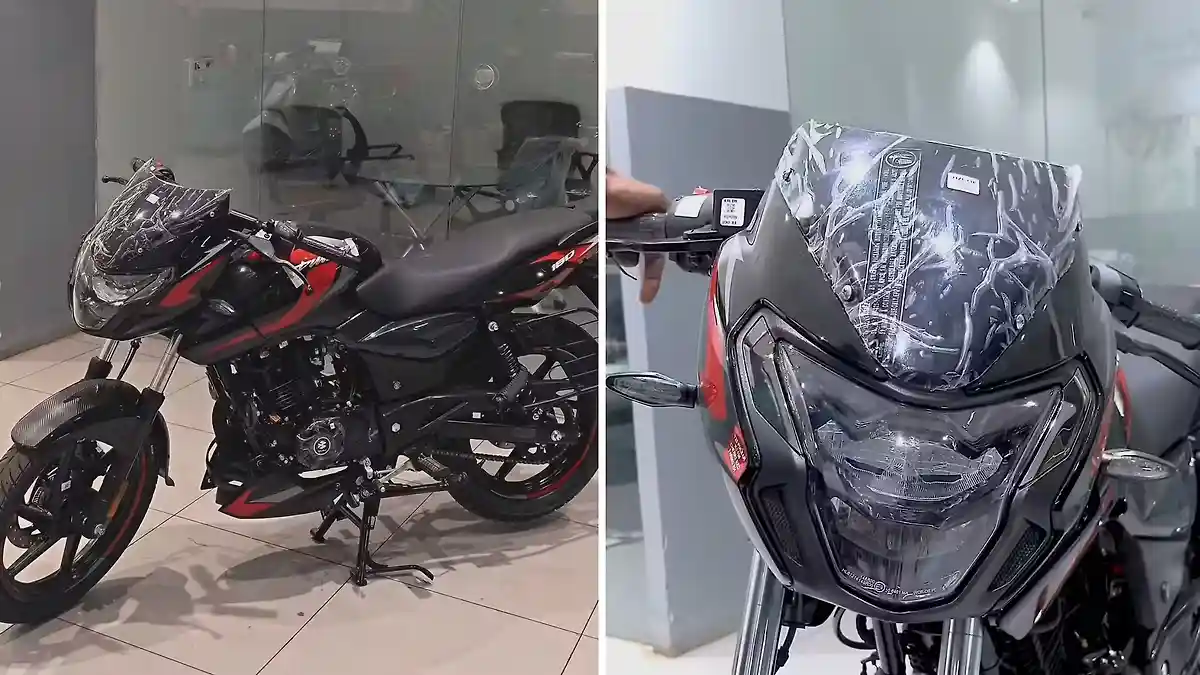
    The 2026 Pulsar 180 makes a comeback in its classic naked streetfighter form, without the semi-fairing seen in earlier versions like the Pulsar 180F. The design closely follows the updated Classic Pulsar styling, similar to what we have seen on the latest Pulsar 125 and Pulsar 150.

    The showcased model features a black base colour with sporty red and grey graphics on the fuel tank, side panels, and tail section. The “180” badging on the rear further confirms its identity and adds a nostalgic touch for enthusiasts.

    Design and Styling Updates

    In terms of design, the new Pulsar 180 carries forward the muscular and aggressive stance that made the Pulsar series popular. It gets modern elements while retaining its classic DNA.

    Key design highlights include

    • LED headlight and LED turn indicators similar to newer Pulsar models
    • Carbon fibre pattern on front fender
    • 17 inch alloy wheels
    • Clip on handlebars for a sporty riding posture
    • Illuminated switchgear for added convenience

    One of the biggest visual updates is the new exhaust system. The 2026 Pulsar 180 gets a chunkier black exhaust similar to the one seen on the Bajaj Pulsar 220F. This adds a more premium and aggressive appeal to the bike.

    Variants and Features

    While Bajaj has not officially confirmed all variants, the model spotted at dealerships appears to be a mid-spec version. It features a single-piece seat, rear disc brake, and a fully digital instrument cluster without navigation support.

    There is a strong possibility that Bajaj will introduce multiple variants, including a higher-spec version with

    • Split seat setup
    • Advanced digital cluster with turn by turn navigation
    • Additional connectivity features

    This approach will allow Bajaj to target a wider audience across different price points.

    Engine and Expected Specifications

    As of now, Bajaj has not revealed official engine specifications for the 2026 Pulsar 180. However, it is expected to continue with a refined version of its earlier 180cc engine, tuned for a balance of performance and efficiency.

    The engine is likely to be paired with a manual gearbox and tuned to deliver strong mid range performance, which has always been a highlight of the Pulsar 180.

    More details regarding power output, torque figures, and mileage will be announced at the time of official launch.

    Why Bajaj Is Bringing Back Pulsar 180

    The return of the Pulsar 180 appears to be driven by strong customer demand and a gap in Bajaj’s current lineup.

    Earlier, Bajaj revived the Pulsar 220F in 2023 due to popular demand, and the strategy proved successful. Similarly, the Pulsar 180 has maintained a loyal fan base, making it a strong candidate for a comeback.

    Additionally, Bajaj currently does not have a motorcycle in the 180cc segment, while competitors continue to offer products in this space. Reintroducing the Pulsar 180 helps Bajaj regain its presence in this important segment.

    A Look Back at Pulsar 180 Journey

    The Pulsar 180 has had an interesting journey in India. The naked version was discontinued in 2019 and replaced by the semi-faired version. Later, the naked model returned in 2021 but was again discontinued in 2022 due to declining demand and the introduction of newer Pulsar models.

    Now, with the 2026 comeback, Bajaj is giving this iconic motorcycle another chance to shine in a competitive market.

    Expected Launch Timeline

    With units already reaching showrooms, the official launch of the 2026 Pulsar 180 is expected very soon. Bajaj is likely to announce pricing and full specifications in the coming weeks.

    Conclusion

    The return of the Bajaj Pulsar 180 is a significant move for enthusiasts and the Indian motorcycle market. With updated styling, modern features, and a strong legacy, the 2026 model has the potential to regain its popularity.

    If priced competitively, the new Pulsar 180 could once again become a favourite among riders looking for a balance of performance, style, and everyday usability.

    Source: 1, 2

  • 2026 TVS Apache RTR 160 4V Launched at Rs 1.25 L with More Features and New Variants Explained

    2026 TVS Apache RTR 160 4V Launched at Rs 1.25 L with More Features and New Variants Explained

    TVS Motor Company has officially launched the 2026 version of the TVS Apache RTR 160 4V with significant updates in features and variant lineup. Known for its sporty design and strong performance, the Apache RTR series has built a loyal fan base over the years. With the 2026 update, TVS aims to enhance rider safety, technology, and overall value by offering more equipment as standard across variants.

    Price and Variants

    The 2026 Apache RTR 160 4V is now available in three variants, catering to different rider preferences and budgets.

    • Single Channel ABS Variant priced at Rs 1,25,440 (ex showroom)
    • Dual Channel ABS with USD Variant priced at Rs 1,30,690 (ex showroom)
    • USD with TFT Variant priced at Rs 1,37,440 (ex showroom)

    The base variant now offers improved value with more premium features included as standard. Meanwhile, the top variant focuses on advanced electronics and rider assistance systems.

    Variant Wise Features Comparison

    Based on the latest update, here is a clear comparison of features across all three variants

    Below is a table comparing all three variants of the TVS Apache RTR 160 4V based on features, hardware, and pricing

    FeatureSingle Channel ABS VariantDual Channel ABS with USD VariantUSD with TFT Variant
    ABSSingle ChannelDual ChannelDual Channel
    Front SuspensionTelescopicUSD Upside DownUSD Upside Down
    Traction ControlNoNoYes
    Instrument ClusterDigital LCDDigital LCD5 inch TFT with SmartXonnect
    Adjustable LeversNoYesYes
    HeadlightsProjector LEDProjector LEDProjector LED
    Tail Lamps & IndicatorsLEDLEDLED
    Slipper ClutchYesYesYes
    ColoursMatte Black, Racing RedMatte Black, Granite Grey, Pearl WhiteMatte Black, Racing Red, Marine Blue
    Ex Showroom PriceRs 1,25,440Rs 1,30,690Rs 1,37,440

    The higher variants add premium hardware like USD forks and dual-channel ABS, while the top variant further enhances safety and tech with traction control and a TFT display.

    This structured upgrade ensures buyers can choose a variant based on their feature requirements and budget.

    Engine and Performance

    The 2026 Apache RTR 160 4V continues with its proven single cylinder engine that delivers 17.3 bhp of peak power and 14.73 Nm of torque. The engine is paired with a 5 speed gearbox and comes equipped with a slipper clutch for smoother downshifts.

    TVS has retained riding modes, allowing riders to switch between different performance settings based on riding conditions. This makes the motorcycle suitable for both daily commuting and spirited riding.

    New Features and Technology

    One of the biggest highlights of the 2026 update is the inclusion of more features as standard across variants. Even the base variant now gets projector LED headlights along with LED tail lamps and indicators, improving visibility and safety.

    The top variant stands out with its TFT display that supports SmartXonnect technology. This system offers smartphone connectivity, navigation assistance, and ride data tracking. Additionally, traction control in the top variant adds an extra layer of safety, especially during aggressive riding or slippery road conditions.

    USD front forks in higher variants also enhance handling and provide a more premium riding experience.

    Design and Colours

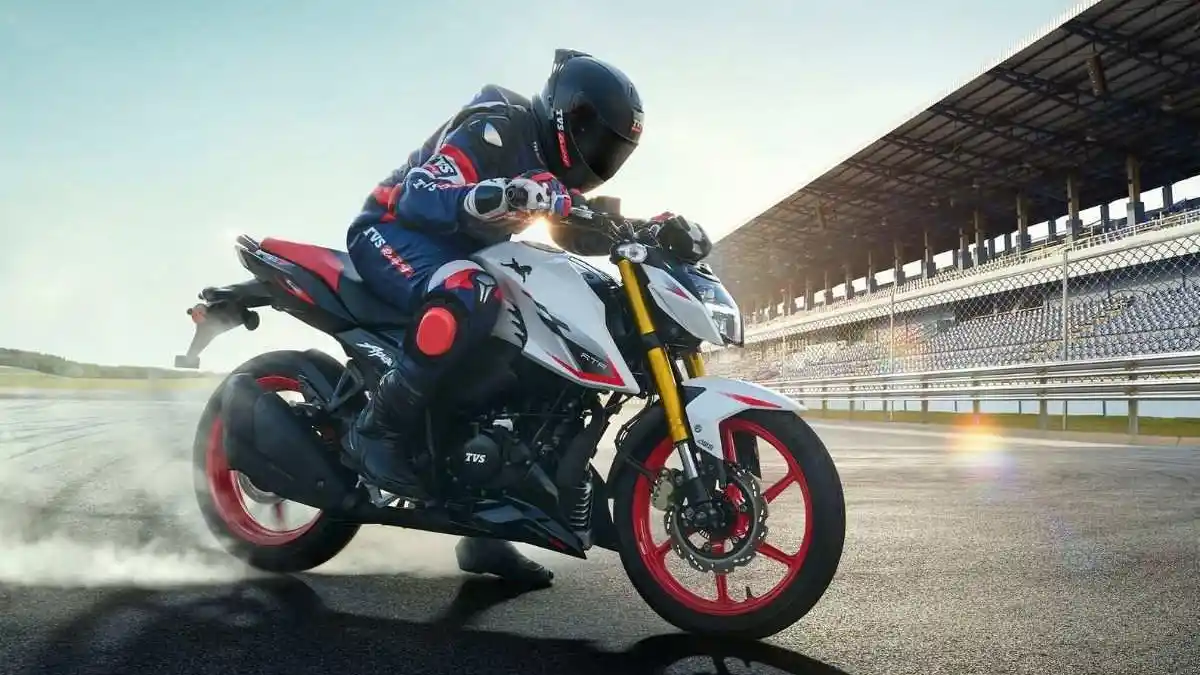
    TVS has retained the aggressive streetfighter design of the Apache RTR 160 4V while offering fresh colour options across variants. The new shades enhance the sporty appeal of the motorcycle and give buyers more personalization choices.

    The sharp tank design, bold graphics, and muscular stance continue to make the bike stand out in the 160cc segment.

    What TVS Says About the Update

    According to TVS Motor Company, the Apache brand has been trusted by over 6.5 million riders globally. With the 2026 update, the company focuses on improving safety, night riding visibility, and overall control.

    The brand also emphasizes that these upgrades are designed to meet the expectations of modern performance-focused riders while keeping the motorcycle accessible at an attractive price point.

    Conclusion

    The 2026 TVS Apache RTR 160 4V brings a well-rounded upgrade with better standard equipment, new variants, and advanced features like TFT display and traction control. With competitive pricing and a strong performance package, it continues to be one of the most compelling options in the 160cc segment.

    For buyers looking for a sporty commuter with modern technology and reliable performance, the updated Apache RTR 160 4V remains a strong contender in its class.